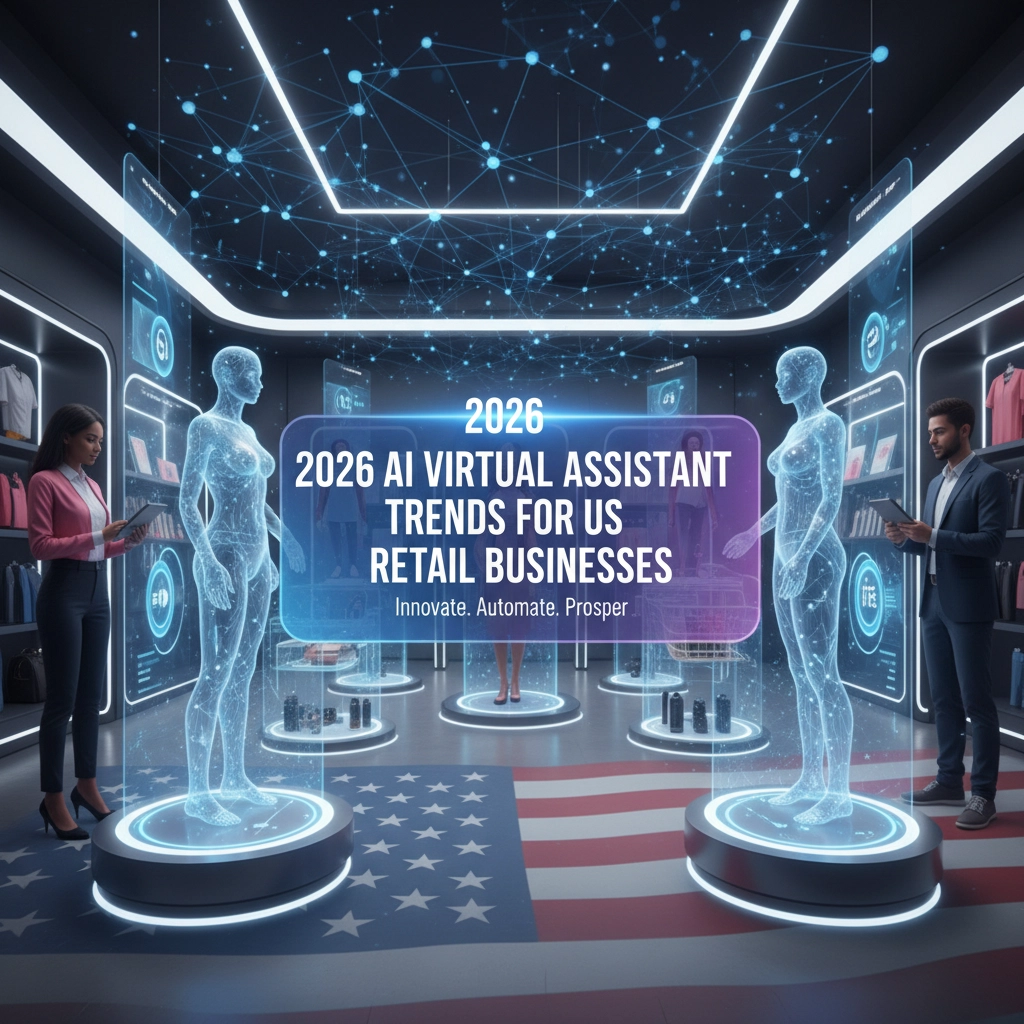
The retail landscape is experiencing a seismic shift as AI virtual assistants transform how American businesses engage customers and streamline operations. By 2026, these intelligent systems are no longer optional: they're essential for staying competitive in an increasingly digital marketplace. From autonomous shopping experiences to hyper-personalized customer interactions, AI virtual assistants are reshaping every aspect of retail operations.
AI Virtual Assistants as Autonomous Sales Channels
The most revolutionary change in retail is the emergence of AI agents functioning as independent sales channels. Unlike traditional search-based shopping, consumers: particularly younger generations: are now conversing with AI assistants to discover and purchase products. This shift requires retailers to become "machine-readable," ensuring their product data, inventory levels, and delivery promises are optimized for AI interpretation.
Successful retailers are restructuring their data architecture to support AI-driven sales. This includes maintaining clean product attributes, real-time availability information, and standardized delivery windows. When an AI assistant can accurately vouch for your products and promises, it becomes a powerful sales representative working 24/7 across multiple platforms.

Customer Service Revolution Through AI Shopping Assistants
Major retailers are already demonstrating the power of AI shopping assistants. Amazon's Rufus and Walmart's OpenAI integration showcase how these tools help consumers navigate vast product catalogs efficiently. The impact is substantial: retail chatbot interactions increased 1,950% year-over-year during Cyber Monday, highlighting rapid consumer adoption.
These AI assistants excel at handling complex customer queries, comparing products across categories, and providing instant recommendations based on specific needs and budgets. Multi-category retailers are particularly well-positioned, as their diverse product selections align with how consumers naturally shop: starting with broad questions and narrowing down to specific choices.
Hyper-Personalization at Scale
AI virtual assistants are revolutionizing personalization by processing vast amounts of customer data to deliver tailored experiences. Retailers like Ulta use AI to suggest lipstick colors based on previous purchases, while Sephora combines purchase history, loyalty data, and personal quizzes to generate customized offers that reduce cart abandonment.
Customer Data Platforms (CDPs) integrated with generative AI enable retailers to create hyper-targeted messaging and automated retargeting campaigns. This technology allows businesses to understand customer preferences at an individual level while scaling these insights across thousands of interactions simultaneously.
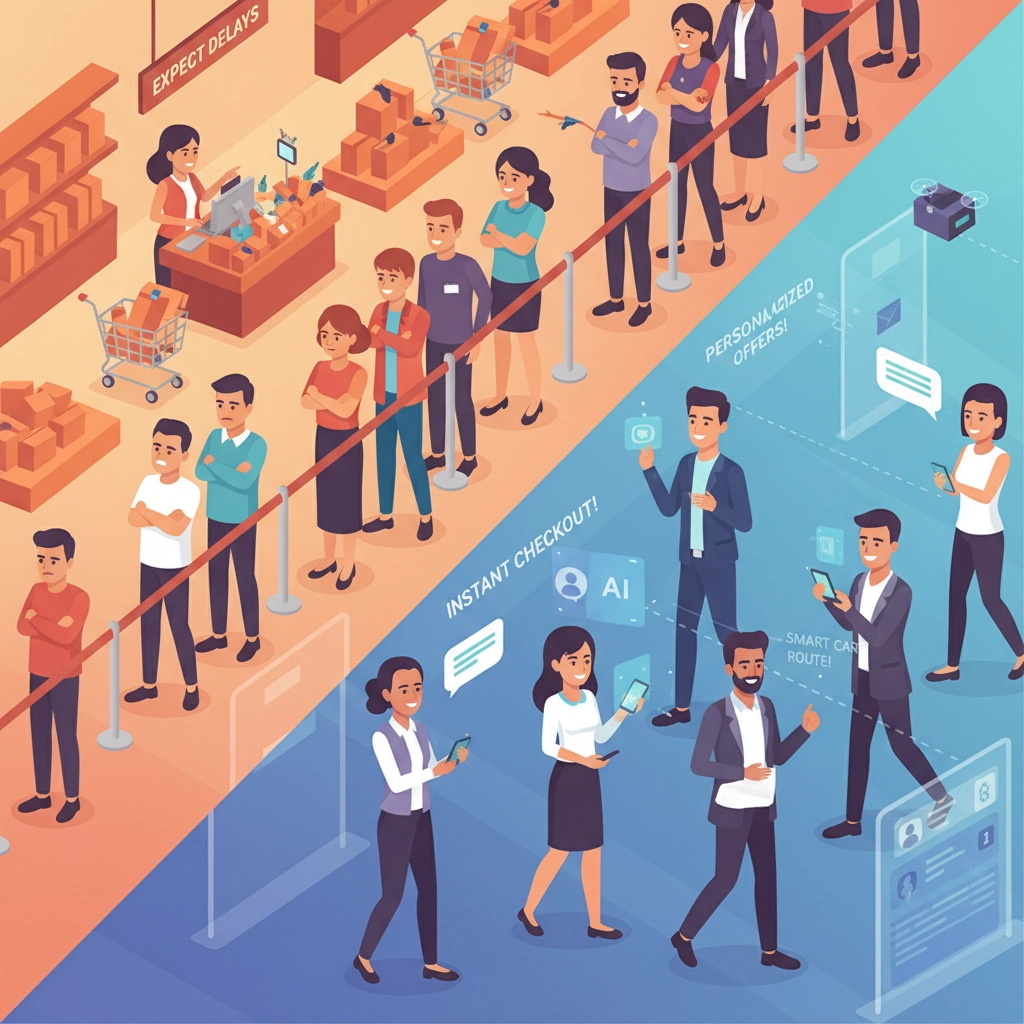
Key Retail Tasks Being Automated in 2026
AI virtual assistants are automating critical retail functions that traditionally required significant human resources:
Inventory Management: AI systems monitor stock levels, predict demand patterns, and automatically reorder products. They can also alert customers when out-of-stock items become available and suggest alternatives during shortages.
Price Optimization: Dynamic pricing algorithms adjust costs in real-time based on demand, competition, and inventory levels. AI assistants communicate these changes to customers while highlighting value propositions.
Customer Support: Intelligent chatbots handle routine inquiries, process returns, track shipments, and escalate complex issues to human agents. They operate continuously, reducing response times and improving customer satisfaction.
Product Recommendations: AI analyzes browsing patterns, purchase history, and demographic data to suggest relevant products across email, website, and mobile app touchpoints.
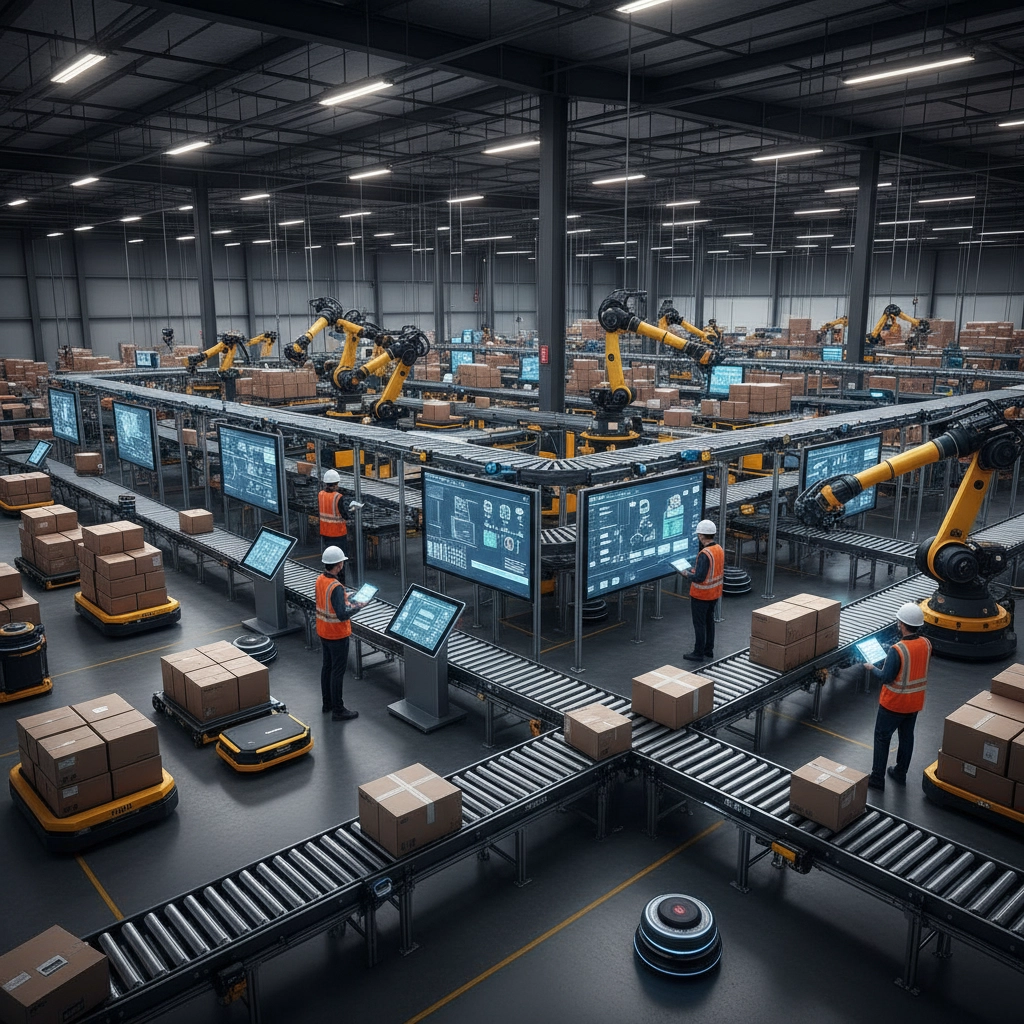
Order Fulfillment: Virtual assistants coordinate with warehouse management systems to optimize picking, packing, and shipping processes, ensuring faster delivery times.
Essential AI Tools and Workflow Integration
Successful retail AI implementation requires strategic tool selection and seamless workflow integration:
Conversational AI Platforms: Tools like Dialogflow, Microsoft Bot Framework, or Amazon Lex enable natural language interactions between customers and virtual assistants.
Customer Data Platforms: Solutions like Segment, Salesforce CDP, or Adobe Experience Platform unify customer data across touchpoints for personalized experiences.
Inventory Management Systems: AI-powered platforms like Blue Yonder or Oracle Retail integrate with virtual assistants to provide real-time stock information and automated reordering.
Analytics and Insights: Tools like Google Analytics 4, Adobe Analytics, or Klaviyo track AI assistant performance and customer interaction patterns for continuous optimization.

The workflow typically follows this pattern: Customer inquiry → AI intent recognition → Data retrieval from integrated systems → Personalized response generation → Action execution (if applicable) → Follow-up and satisfaction tracking.
Balancing Automation with Human Connection
While AI capabilities advance rapidly, successful retailers maintain the critical balance between automation and human touch. Research shows that consumers still discover products 10 times more often through social media than AI tools, and over half of US social users are influenced by content creators.
The winning strategy involves using AI to handle routine tasks while preserving meaningful human interactions for complex decisions, emotional support, and relationship building. AI virtual assistants should enhance rather than replace human touchpoints, creating hybrid experiences that combine efficiency with authenticity.
Real-World Implementation Examples
Fashion Retail: AI assistants help customers find clothing by describing style preferences, body type, or occasion. They access inventory across multiple locations and suggest complete outfit combinations based on individual taste profiles.
Electronics Stores: Virtual assistants guide customers through technical specifications, compatibility requirements, and feature comparisons. They can instantly access product manuals, warranty information, and troubleshooting guides.
Home Improvement: AI assistants calculate material requirements for projects, suggest tool rentals, and connect customers with local contractors. They maintain project timelines and send reminders for seasonal maintenance tasks.
Grocery and Food Service: Virtual assistants manage recurring orders, dietary restrictions, and meal planning. They track expiration dates, suggest recipes based on available ingredients, and coordinate delivery scheduling.
Consumer Adoption and Trust Building
Trust is crucial for AI virtual assistant success in retail. Current data shows 48% of surveyed shoppers would trust AI recommendations, indicating significant room for growth. Building this trust requires transparency about AI capabilities, clear escalation paths to human support, and consistent delivery on AI-generated promises.
Retailers should focus on gradual AI introduction, starting with low-risk interactions like product information and basic support before expanding to complex decision-making scenarios. Regular performance monitoring and customer feedback collection ensure continuous improvement and trust maintenance.
Getting Started with AI Virtual Assistant Implementation
For retail businesses ready to embrace AI virtual assistants, the implementation process should be strategic and gradual:
- Assessment Phase: Evaluate current customer service volume, common inquiry types, and existing technology infrastructure
- Pilot Program: Start with specific use cases like FAQ responses or basic product information
- Data Integration: Connect AI systems with inventory, customer, and order management platforms
- Training and Optimization: Use real customer interactions to improve AI responses and expand capabilities
- Scale and Expand: Gradually increase AI responsibilities while monitoring performance metrics

About Virtual Nexgen Solutions
At Virtual Nexgen Solutions, we specialize in implementing AI virtual assistant technologies that transform retail operations. Our team understands the unique challenges US retail businesses face and develops customized solutions that balance automation efficiency with customer satisfaction.
We've helped numerous retail clients implement AI virtual assistants that handle everything from customer inquiries to inventory management, resulting in improved operational efficiency and enhanced customer experiences. Our approach ensures seamless integration with existing systems while maintaining the human touch that builds customer loyalty.
Ready to revolutionize your retail operations with AI virtual assistants? The future of retail is here, and businesses that embrace these technologies now will lead their markets in 2026. Don't let competitors gain the advantage: discover how Virtual Nexgen Solutions can transform your customer experience and streamline your operations.
Visit virtualnexgen.com to learn more about our AI virtual assistant solutions, or book a free consultation to discuss your specific retail automation needs: Schedule Your Meeting. Our experts are ready to help you implement the AI virtual assistant strategies that will drive your business growth in 2026 and beyond.