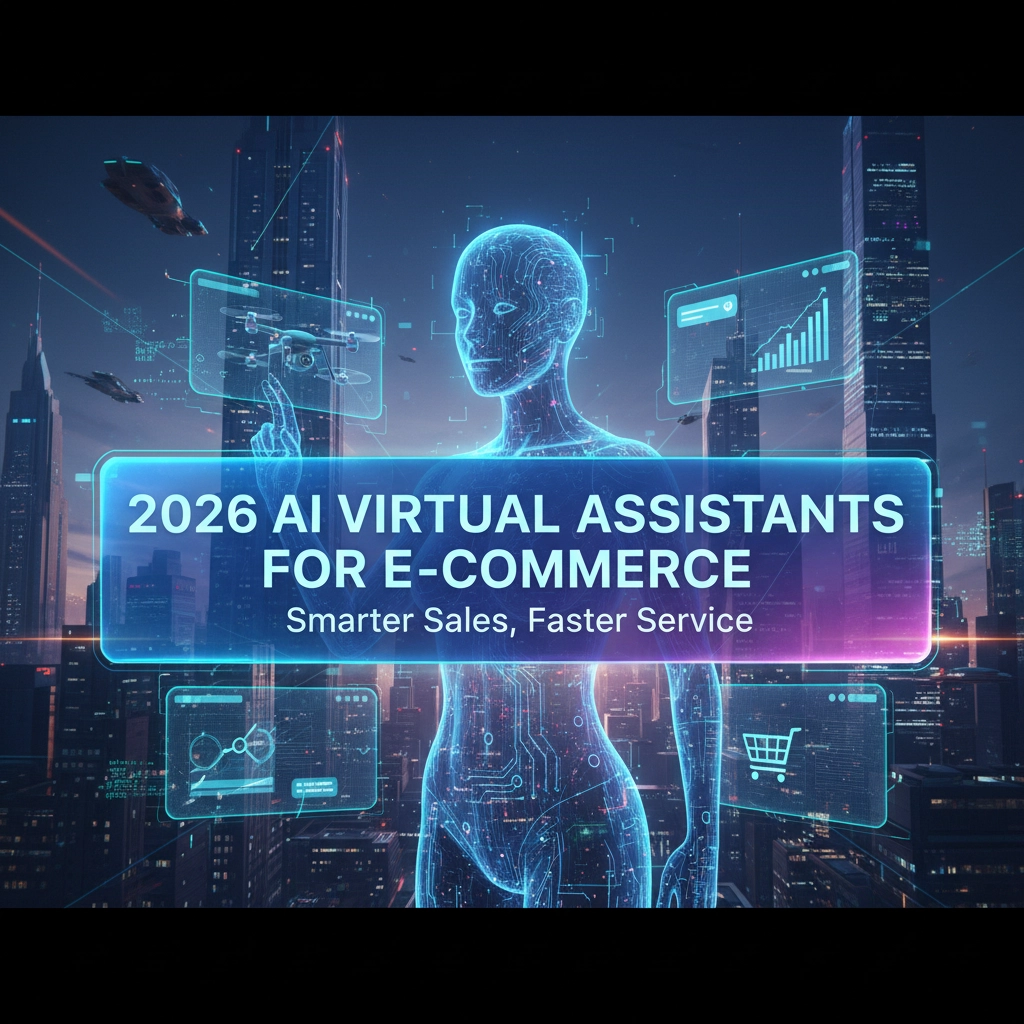
The e-commerce landscape is experiencing a seismic shift as we enter 2026. US retailers are discovering that AI virtual assistants aren't just nice-to-have tools anymore: they're essential infrastructure for staying competitive. With customers expecting instant responses, personalized recommendations, and seamless shopping experiences, businesses that fail to adopt intelligent automation are losing significant market share.
Recent data shows that AI-powered virtual assistants are transforming how American consumers shop online, with early adopters seeing conversion rate increases of over 100%. The question isn't whether your e-commerce business needs AI assistance: it's how quickly you can implement it to capture these unprecedented opportunities.
The AI Revolution in E-Commerce: What's Changed for 2026
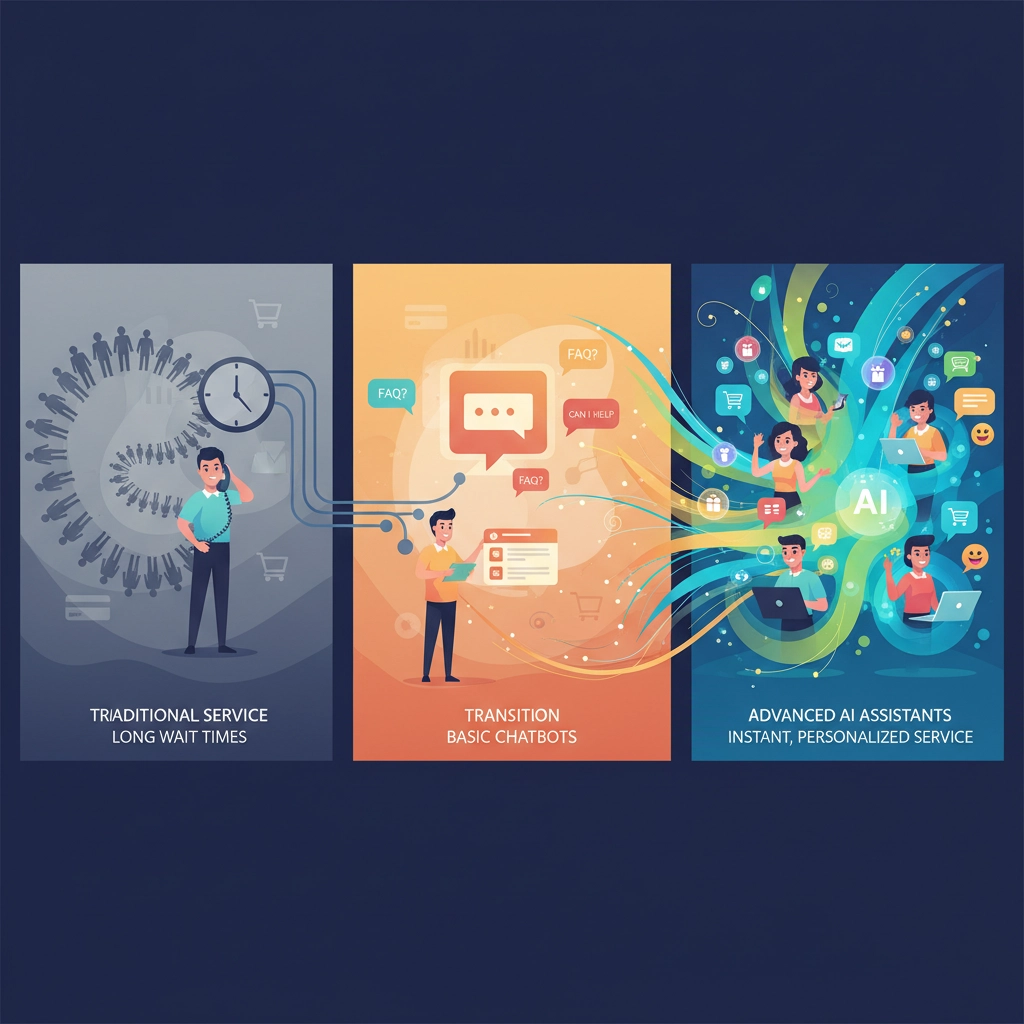
The virtual assistant technology available today represents a quantum leap from the basic chatbots of previous years. Modern AI systems understand context, emotion, and intent with near-human accuracy. They're handling complex customer service inquiries, qualifying leads in real-time, and even completing entire sales transactions without human intervention.

Leading retailers like Lowe's have demonstrated the transformative power of AI assistants. Their AI-powered virtual assistants, Mylow and Mylow Companion, handle nearly 1 million customer questions monthly about product specifications, project guidance, and order tracking. The results speak volumes: when customers interact with Mylow online, conversion rates more than double. When in-store associates use the technology to assist customers, satisfaction scores increase by 200 basis points.
This isn't just about efficiency: it's about creating superior customer experiences that drive measurable business growth. US e-commerce businesses that implement AI virtual assistants are seeing average cost reductions of 30% in customer support while simultaneously improving customer satisfaction and sales performance.
Core Capabilities Driving E-Commerce Success
Conversational Commerce and Lead Qualification
Modern AI virtual assistants excel at real-time conversations that guide customers toward purchases. These systems analyze tone, intent, and context to automatically prioritize high-potential leads while providing instant responses to product questions. The key differentiator is their ability to understand nuanced customer needs and respond with relevant product recommendations that feel genuinely helpful rather than pushy.
Predictive Personalization at Scale
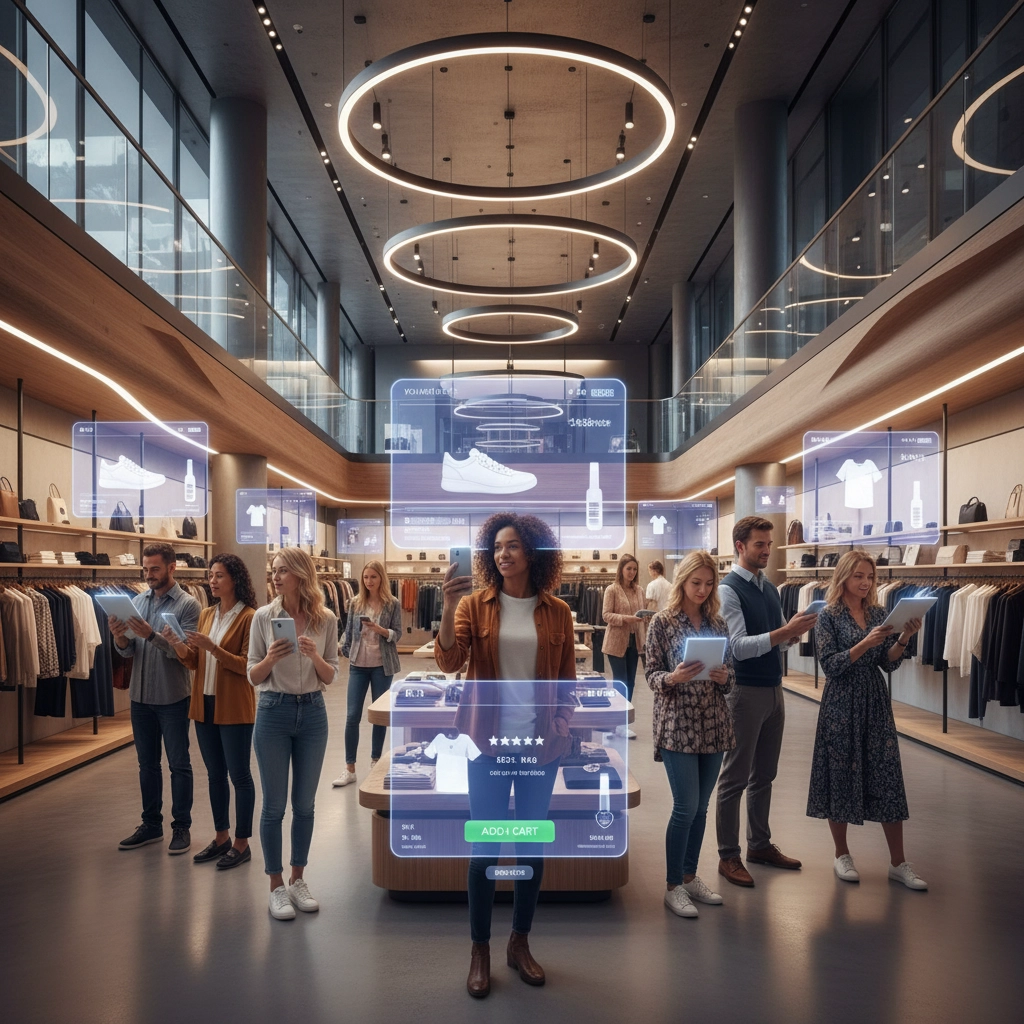
AI assistants now function as virtual shopping companions that replicate the best aspects of in-store service entirely online. They combine live chat capabilities with sophisticated product recommendation engines to create rich, interactive experiences. These tools can provide styling suggestions, pair complementary items, and simplify overwhelming product catalogs by filtering options based on customer preferences, budget, and browsing behavior.
24/7 Automated Customer Support
The always-on nature of AI virtual assistants addresses one of e-commerce's biggest challenges: providing consistent customer service across time zones and peak shopping periods. These systems handle routine inquiries about shipping, returns, and product specifications while escalating complex issues to human agents with full context and conversation history.
Types of AI Solutions for E-Commerce
Interactive Shopping Assistants
These conversational interfaces engage directly with customers through chat widgets, voice interactions, or dedicated app features. They guide customers through product discovery, answer specific questions about features and compatibility, and can complete entire purchase transactions within the conversation flow.
Behind-the-Scenes Recommendation Engines
Working invisibly, these systems analyze customer behavior, purchase history, and peer shopping patterns to surface relevant products across your website. The "Frequently Bought Together" and "Customers who viewed this item also viewed" sections that have become standard in e-commerce demonstrate the power of these systems. Amazon generates up to 35% of its sales through automated recommendations powered by these engines.
AI Agents as Personal Shoppers
The next evolution moves beyond reactive assistance to proactive shopping agents. These advanced systems can browse products, compare prices, and even make purchases on behalf of customers. Instead of customers spending hours researching options, AI agents autonomously find the best deals and products that match specific criteria: representing a critical shift retailers must prepare for in 2026.
Implementation Guide for US E-Commerce Businesses
Step 1: Assess Your Current Customer Journey
Before implementing AI virtual assistants, map out your existing customer touchpoints. Identify where customers typically have questions, encounter friction, or abandon their shopping carts. These pain points represent prime opportunities for AI intervention.
Step 2: Choose the Right AI Platform
Modern platforms have dramatically lowered the barrier to entry for AI implementation. Solutions like no-code AI builders allow businesses to create conversational helpers without substantial technical investment. Look for platforms that integrate seamlessly with your existing e-commerce system, CRM, and inventory management tools.
Step 3: Train Your AI with Company-Specific Data
The effectiveness of your AI virtual assistant depends heavily on the quality of its training data. Feed your system with comprehensive product information, frequently asked questions, company policies, and customer service scripts. The more specific and accurate this information, the better your AI will perform in real customer interactions.
Step 4: Start Small and Scale Gradually
Begin with basic functions like order tracking and product inquiries before expanding to more complex tasks like product recommendations and sales automation. This approach allows you to refine the system's responses and build customer trust before deploying more advanced features.
Real-World Results and ROI
Conversion Rate Improvements
Businesses implementing AI virtual assistants typically see conversion rate increases between 25% and 100%. The improvement comes from reducing friction in the customer journey, providing instant answers to purchase-blocking questions, and offering personalized product recommendations at optimal moments.
Cost Savings and Operational Efficiency
AI assistants handle routine inquiries that would otherwise require human agents, leading to significant cost savings. Most businesses see a 30% reduction in customer service costs within six months of implementation. Additionally, AI systems provide valuable data insights about customer preferences, common questions, and purchasing patterns that inform broader business strategy.
Customer Satisfaction and Retention
The 24/7 availability and consistent quality of AI-powered customer service leads to improved satisfaction scores. Customers appreciate getting instant answers to simple questions while knowing they can still reach human agents for complex issues. This hybrid approach often produces higher satisfaction ratings than either fully automated or fully manual customer service.
Future Trends Shaping 2026 and Beyond
Voice Commerce Integration
AI virtual assistants are increasingly incorporating voice capabilities, allowing customers to interact naturally through smart speakers and mobile devices. This trend is particularly relevant for repeat purchases and reordering common items.
Cross-Platform Integration
The most successful AI implementations connect across multiple channels: website chat, social media messaging, email support, and mobile apps: providing consistent experiences regardless of how customers choose to engage.
Advanced Predictive Analytics
AI systems are becoming better at anticipating customer needs before they're explicitly expressed. This includes predicting when customers are likely to reorder products, identifying potential churn risks, and suggesting products based on seasonal trends and life events.
Getting Started with Virtual Nexgen Solutions
The competitive advantages of AI virtual assistants are too significant to ignore, but implementation doesn't have to be overwhelming. At Virtual Nexgen Solutions, we specialize in helping US e-commerce businesses seamlessly integrate AI virtual assistants that drive real results.
Our AI-powered virtual assistants are specifically designed for e-commerce environments, with proven capabilities in customer service automation, sales process optimization, and personalized shopping experiences. We've helped businesses across various e-commerce sectors achieve the kind of conversion rate improvements and cost savings that Lowe's and other industry leaders are experiencing.
Whether you're looking to automate customer support, improve product discovery, or implement advanced sales automation, our team provides end-to-end support from initial setup through ongoing optimization. We understand the unique challenges facing American e-commerce businesses and deliver solutions that integrate seamlessly with your existing systems.
Ready to transform your e-commerce operations with AI virtual assistants? Book a free consultation to discuss how Virtual Nexgen Solutions can help your business achieve smarter sales and faster service in 2026. Visit https://calendly.com/virtualnexgen-info/30min to schedule your demo today.
About Virtual Nexgen Solutions
Virtual Nexgen Solutions is a leading provider of AI and Virtual Assistant Services, specializing in helping US businesses automate operations, improve customer experiences, and drive sustainable growth. Our comprehensive suite of AI-powered solutions includes customer service automation, sales process optimization, and specialized virtual assistant services tailored to specific industry needs. Learn more at https://virtualnexgen.com.