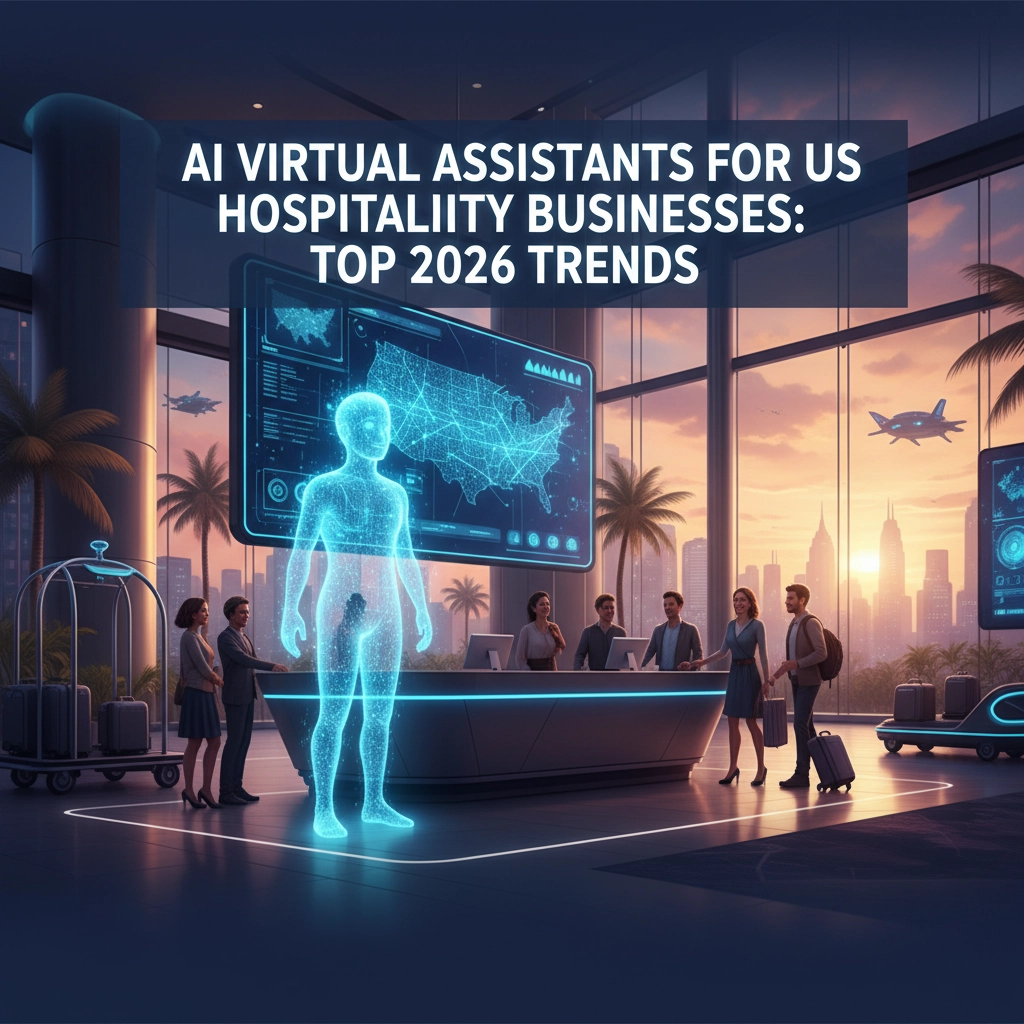
The US hospitality industry is approaching a technological tipping point in 2026, where AI virtual assistants will transition from experimental tools to essential infrastructure. Hotels, restaurants, and hospitality businesses across America are preparing for a fundamental shift in how they interact with guests and manage operations. This evolution promises seamless, personalized experiences that feel effortless and anticipatory rather than technology-driven.
The Foundation: 24/7 Guest Support Revolution
AI-powered virtual assistants are transforming the backbone of hospitality customer service. By 2026, these systems will handle the majority of routine guest interactions around the clock, managing everything from basic inquiries to complex reservation modifications without human intervention.
The advantages extend far beyond simple availability. AI chatbots provide consistent information delivery and eliminate common human errors, such as incorrect restaurant hours, inaccurate attraction distances, or outdated activity information. This consistency reduces wait times and cuts labor costs while maintaining service quality that allows staff to focus on complex interactions requiring human judgment and empathy.
For US hospitality businesses, this translates to significant operational savings: approximately 45 FTE hours per month through intelligent automation. These systems update information in real-time, reducing staff training burdens and allowing leaner teams to deliver more personalized service.
Multi-Channel Communication Mastery
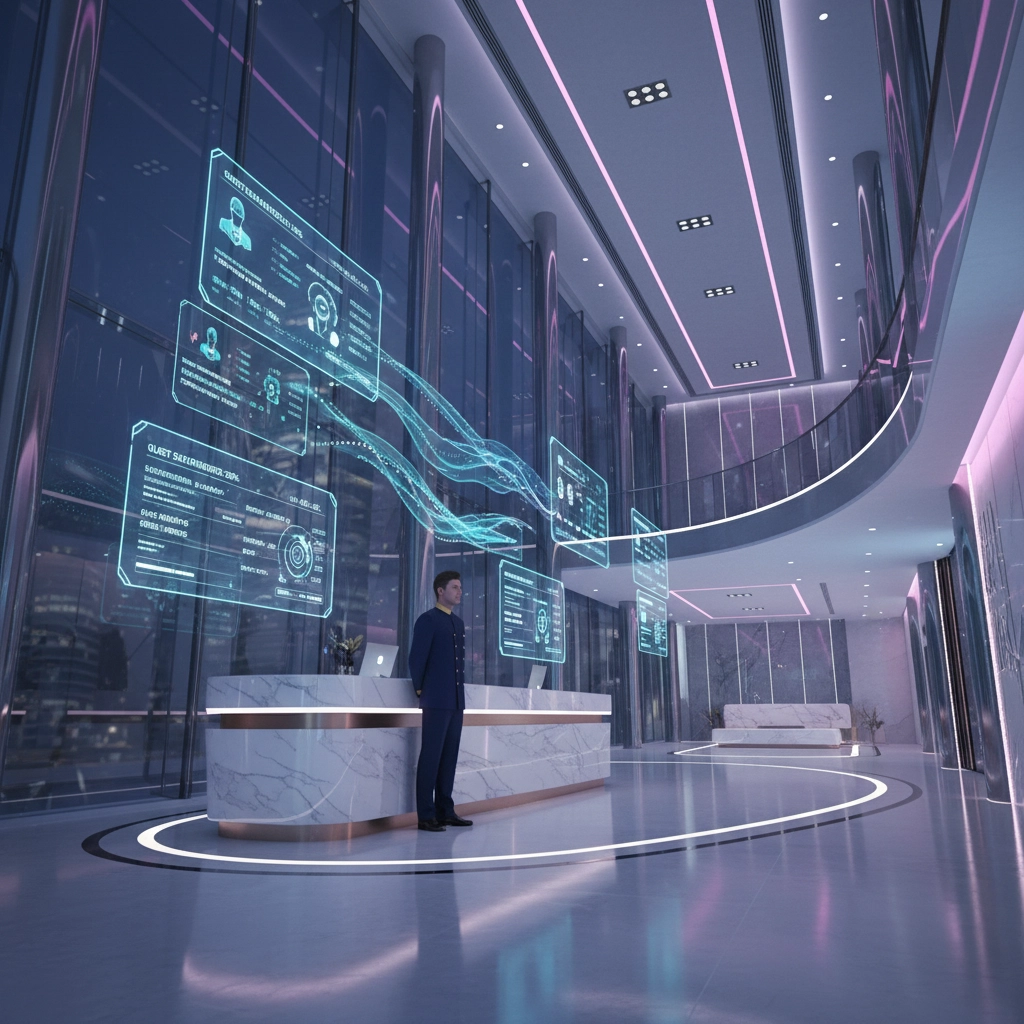
Virtual assistants in 2026 will operate seamlessly across fragmented guest communication preferences. Modern travelers expect consistent service whether they reach out via email, chat, social media, or phone. Advanced AI platforms enable hotels to respond to inquiries across all channels in real-time, creating a unified communication experience.
This omnichannel approach ensures guests receive intelligent, consistent responses regardless of their preferred contact method. The system maintains conversation history across platforms, preventing guests from repeating information and creating a more seamless interaction flow.
Hyper-Personalization Through Invisible AI
The most significant trend emerging in 2026 is "invisible AI": technology so seamlessly integrated that guests notice only the results, not the underlying systems. Virtual assistants will leverage unified guest data platforms to deliver experiences that feel genuinely personalized and anticipatory.
These systems proactively offer late checkouts based on guest history, ensure favorite wines await in rooms, and honor loyalty status without requiring guest input. AI identifies individual preferences and delivers targeted recommendations with precision, whether suggesting specific pillow types for better sleep, recommending nearby restaurants, or proposing ideal spa treatments.
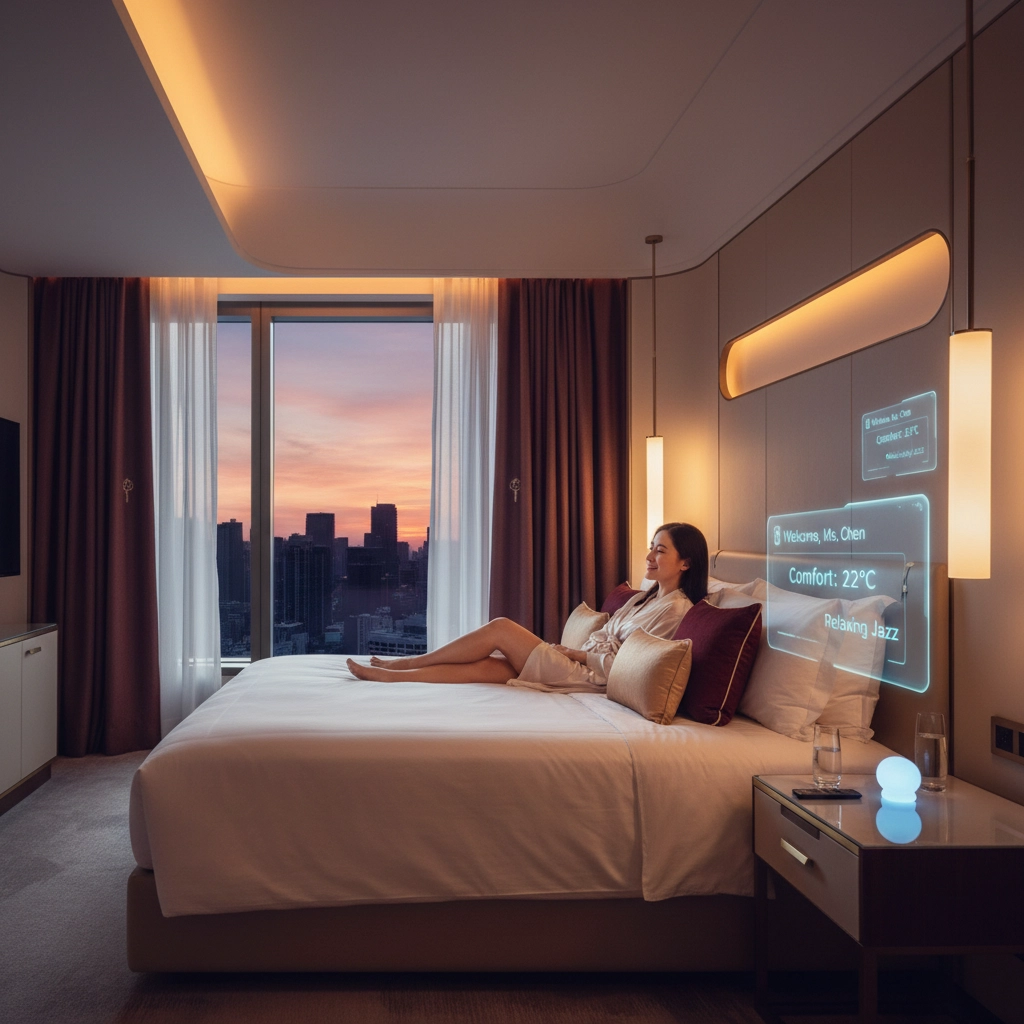
Smart room integration allows virtual assistants to adjust lighting, temperature, and music based on guest preferences or detected mood. This level of personalization extends to curated entertainment options and customized amenities that transform each stay into a tailored experience.

Predictive Analytics and Operational Intelligence
Virtual assistants powered by advanced analytics will anticipate guest needs before check-in, flag potential service bottlenecks, and route requests intelligently. This predictive capability revolutionizes operational efficiency in multiple ways.
Hotels will deploy AI systems that monitor equipment and predict failures before they cause outages, tracking assets throughout their lifecycle. This prevents costly emergencies and ensures optimal guest experiences. The predictive capability extends to revenue management, with AI automatically adjusting pricing based on demand, events, and competitor behavior while identifying high-value guests before arrival.
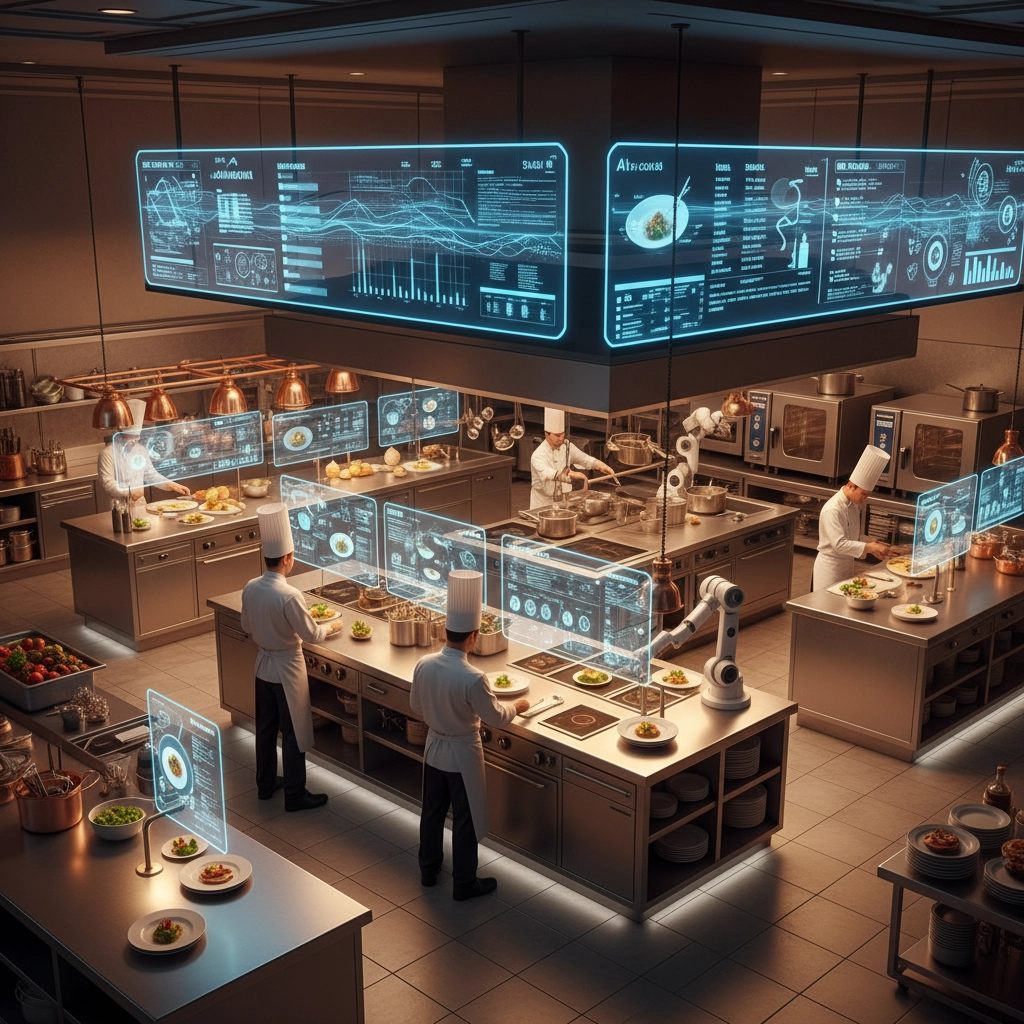
Restaurant operations benefit similarly, with AI predicting busy periods, optimizing staff scheduling, and managing inventory levels to minimize waste while ensuring availability. These systems learn from historical data and real-time inputs to make increasingly accurate predictions that directly impact profitability.
Unified AI-Native Platform Architecture
The most successful implementations in 2026 will shift from bolted-on point solutions toward unified, AI-native platforms where artificial intelligence is architecturally embedded rather than layered on top. These platforms integrate property management systems, point-of-sale systems, IoT devices, and guest-facing applications into a single control center.
This architectural approach eliminates vendor silos, reduces integration complexity, and produces measurable results. Early adopters report 27% increases in in-room dining sales, 92% engagement rates on promotions, and up to $500,000 in annual savings by avoiding costly reintegrations when switching vendors.
Restaurant and Food Service Integration
AI virtual assistants are revolutionizing restaurant operations within hospitality properties. Mobile ordering systems powered by AI enable hyper-personalized menu recommendations based on dietary restrictions, previous orders, and current preferences. These systems optimize kitchen workflows by predicting order volumes and suggesting preparation schedules.
Voice-activated ordering in hotel rooms allows guests to place restaurant orders using natural language, with AI assistants understanding context and preferences. The integration extends to wine pairings, dietary accommodations, and special occasion arrangements, creating elevated dining experiences that drive revenue and guest satisfaction.
Revenue Optimization and Dynamic Pricing
Virtual assistants deliver direct revenue impact through intelligent upselling at optimal moments. AI identifies the perfect timing for room upgrades, dining promotions, and spa services based on guest behavior patterns and preferences. These systems create targeted loyalty incentives that online travel agencies cannot replicate.
Dynamic pricing algorithms adjust rates in real-time based on demand patterns, local events, competitor pricing, and historical data. This optimization maximizes revenue per available room while maintaining competitive positioning in local markets.
The result is more sophisticated revenue management that goes beyond simple supply and demand calculations to include guest lifetime value, satisfaction scores, and predictive booking patterns.
Implementation Strategies for 2026
Successful AI virtual assistant implementation requires strategic planning and phased deployment. Hotels should begin with core guest service functions like reservation management and basic inquiries before expanding to complex operational tasks.
Staff training becomes crucial as employees transition from handling routine tasks to managing AI systems and focusing on high-touch guest interactions. The most effective implementations treat AI as a tool that enhances human capability rather than replacing it entirely.
Integration planning must consider existing technology infrastructure and future scalability needs. Properties that invest in unified platforms now position themselves for easier expansion and feature additions as AI capabilities advance.
The Business Impact Reality
By 2026, AI virtual assistants in hospitality will have moved beyond competitive advantage into table stakes: standard infrastructure that top-performing properties deploy and that industry leaders refine through unified platforms rather than experimental point solutions.
The measurable benefits include reduced operational costs, increased revenue through personalization and upselling, improved guest satisfaction scores, and enhanced staff productivity. Hotels implementing comprehensive AI virtual assistant systems report significant improvements in online reviews, repeat booking rates, and overall profitability.
Getting Started with Professional Implementation
The complexity of implementing AI virtual assistants effectively requires expertise in both hospitality operations and cutting-edge technology. Successful deployments depend on understanding industry-specific challenges, guest behavior patterns, and operational workflows unique to hospitality businesses.
For US hospitality businesses ready to embrace 2026's AI-driven future, partnering with experienced virtual assistant service providers ensures smooth implementation and optimal results. Professional guidance helps navigate the technical complexities while maximizing the business benefits of AI integration.
Ready to transform your hospitality business with AI virtual assistants? Book a consultation with Virtual Nexgen Solutions to explore how our specialized AI and virtual assistant services can position your property for success in 2026 and beyond.
About Virtual Nexgen Solutions
Virtual Nexgen Solutions is a leading provider of AI and virtual assistant services, specializing in innovative solutions for businesses across industries. Our team combines cutting-edge artificial intelligence technology with deep industry expertise to deliver transformative results for our clients. We help hospitality businesses implement AI virtual assistants that enhance guest experiences, optimize operations, and drive measurable business growth. Visit virtualnexgen.com to learn more about our comprehensive virtual assistant services.