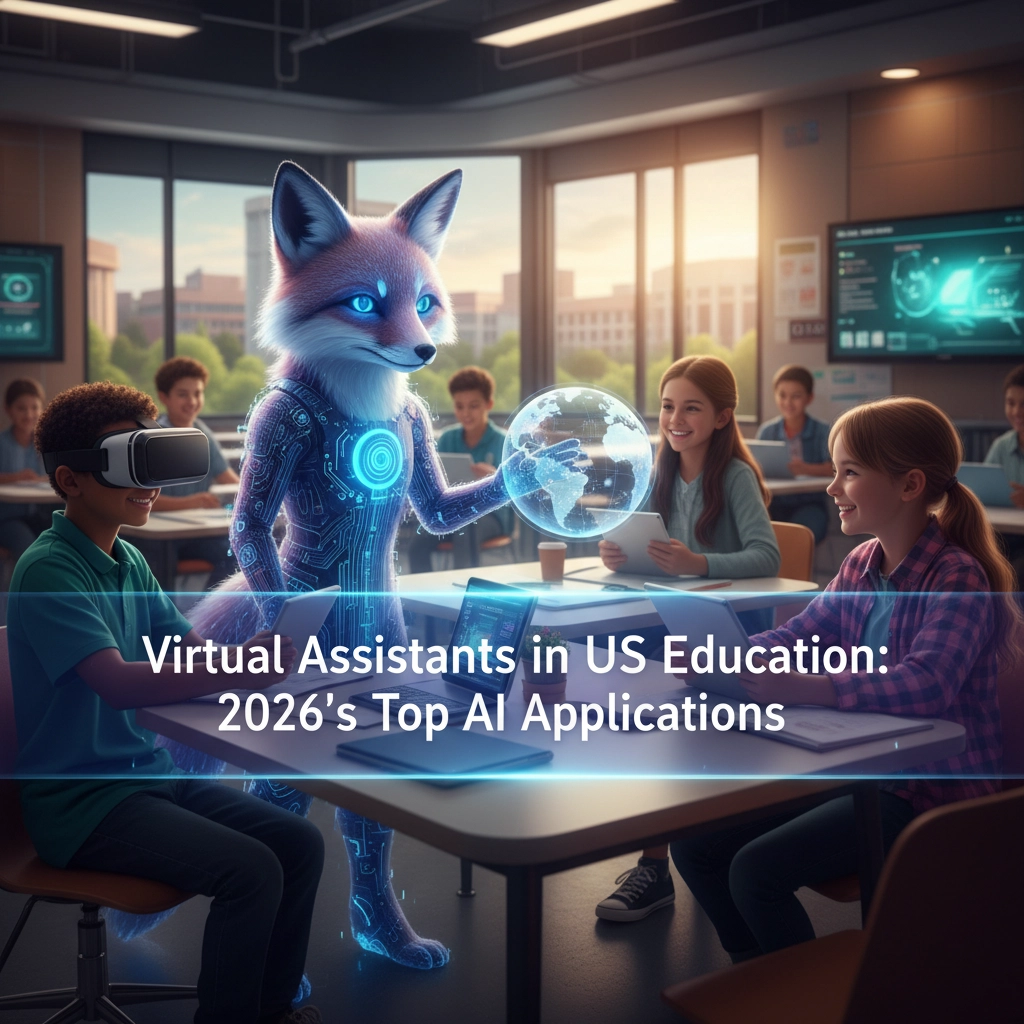
The landscape of American education is undergoing a revolutionary transformation as artificial intelligence and virtual assistant technologies reshape how students learn, administrators operate, and educators teach. As we approach 2026, educational institutions across the United States are discovering that AI-powered virtual assistants aren't just helpful tools: they're becoming essential infrastructure for modern learning environments.
From K-12 schools struggling with administrative burdens to universities managing complex student services, virtual assistants are proving to be game-changers. The Department of Education's recent upgrade to Aidan®, their virtual assistant powered by generative AI technology, demonstrates how seriously federal agencies are taking this technological shift. With 90% of general questions now resolved instantly through AI assistance, the writing is on the wall: virtual assistants are the future of educational support.
The Current State of AI in US Education
Educational institutions nationwide are facing unprecedented challenges. Staff shortages, budget constraints, and increasing student demands have created a perfect storm that traditional solutions can't address. Virtual assistants powered by advanced AI are filling these gaps with remarkable efficiency.
The 2026-27 FAFSA process exemplifies this transformation. Students can now receive 24/7 support through Aidan's enhanced AI capabilities, eliminating the frustration of long wait times and providing instant answers to complex financial aid questions. This isn't just convenience: it's accessibility that directly impacts educational outcomes.

Revolutionary AI Applications Transforming Education
Student Support and Enrollment Services
Modern virtual assistants are revolutionizing how educational institutions handle student inquiries, enrollment processes, and ongoing support. Unlike basic chatbots of the past, 2026's AI assistants understand context, provide personalized responses, and can handle complex multi-step processes.
For universities, this means prospective students receive instant, accurate information about programs, admissions requirements, and financial aid: even at 2 AM. Virtual assistants can guide students through application processes, schedule campus visits, and provide real-time updates on application status.
Administrative Task Automation
The administrative burden on educational staff has reached critical levels. Virtual assistants are now handling routine tasks that previously consumed hours of human time: scheduling appointments, managing calendars, processing routine paperwork, and coordinating between departments.
School districts are reporting 40-60% reductions in administrative workload when implementing comprehensive virtual assistant solutions. This isn't just about efficiency: it's about allowing educators and administrators to focus on what matters most: student success.

Academic Support and Tutoring
AI-powered virtual assistants are becoming sophisticated academic support tools. They can provide 24/7 tutoring assistance, help students understand complex concepts, and offer personalized learning recommendations based on individual progress and learning styles.
These systems don't replace human teachers but augment their capabilities. A virtual assistant can provide immediate feedback on assignments, suggest additional resources for struggling students, and even alert educators when a student might need extra attention.
Implementation Strategies for Educational Institutions
Assessing Your Institution's Needs
Before implementing virtual assistant technology, educational institutions must conduct thorough needs assessments. This involves identifying the most time-consuming administrative tasks, analyzing student inquiry patterns, and understanding where staff resources are stretched thinnest.
Successful implementations start with pilot programs in specific departments: often student services or admissions: where the impact can be measured and refined before broader deployment.
Integration with Existing Systems
Modern virtual assistants must seamlessly integrate with existing educational technology infrastructure. This includes student information systems, learning management platforms, and communication tools already in use.
The most successful educational virtual assistants are those that work within familiar workflows rather than requiring entirely new processes. They should enhance existing systems, not replace them entirely.

Staff Training and Change Management
The human element remains crucial in virtual assistant implementation. Staff need training not just on how to use these tools, but on how to work alongside them effectively. This includes understanding when to escalate issues to human staff and how to maintain the personal touch that's essential in education.
Change management strategies should emphasize how virtual assistants free up time for more meaningful student interactions rather than replacing human connections.
Measuring Success and ROI in Educational Settings
Key Performance Indicators
Educational institutions implementing virtual assistants should track specific metrics: response time improvements, staff time savings, student satisfaction scores, and resolution rates for common inquiries.
The Department of Education's success with Aidan: achieving 90% resolution rates for general questions: provides a benchmark for institutional goals. However, each institution should establish metrics aligned with their specific challenges and objectives.
Long-term Impact Assessment
Beyond immediate efficiency gains, virtual assistants contribute to longer-term educational outcomes. Faster response times to student inquiries can improve retention rates. Reduced administrative burden on staff can lead to better job satisfaction and lower turnover.
These secondary benefits often provide the strongest ROI justification for virtual assistant investments in educational settings.

Future Trends and 2026 Projections
Predictive Analytics and Proactive Support
The next generation of educational virtual assistants will move beyond reactive support to predictive assistance. By analyzing patterns in student behavior, academic performance, and engagement, AI can proactively identify students who might need additional support.
This could mean reaching out to a student who's missing classes, suggesting tutoring resources before grades slip, or connecting students with mental health resources based on communication patterns.
Multilingual and Accessibility Features
As educational institutions serve increasingly diverse populations, virtual assistants are incorporating advanced multilingual capabilities and accessibility features. By 2026, these systems will provide seamless support in multiple languages and accommodate various learning differences and disabilities.
Integration with Learning Analytics
Virtual assistants are becoming integral parts of comprehensive learning analytics systems. They'll not only provide support but also contribute valuable data about student needs, learning patterns, and institutional effectiveness.

Overcoming Implementation Challenges
Privacy and Security Considerations
Educational data requires the highest levels of protection. Successful virtual assistant implementations prioritize data security, student privacy, and compliance with educational regulations like FERPA.
Institutions must ensure their virtual assistant providers offer robust security features, clear data handling policies, and compliance with all relevant educational privacy laws.
Maintaining Human Connection
While virtual assistants excel at handling routine inquiries and administrative tasks, the human element remains essential in education. The key is finding the right balance: using AI to handle what it does best while preserving meaningful human interactions where they matter most.
Transform Your Educational Institution with Virtual Nexgen Solutions
The revolution in educational technology is happening now, and institutions that embrace virtual assistant technology today will lead the field tomorrow. At Virtual Nexgen Solutions, we specialize in implementing AI-powered virtual assistant solutions specifically designed for educational environments.
Our team understands the unique challenges facing American educational institutions: from budget constraints to regulatory compliance requirements. We've helped schools and universities across the country reduce administrative burden, improve student services, and free up valuable human resources for high-impact activities.
Ready to discover how virtual assistants can transform your institution? Book a consultation with our education technology specialists and learn how we can customize a solution that fits your specific needs and budget.
About Virtual Nexgen Solutions
Virtual Nexgen Solutions is a leading provider of AI and virtual assistant services, specializing in custom solutions for diverse industries including education. Our professional team combines cutting-edge technology with deep industry expertise to deliver virtual assistant solutions that drive real results. From administrative automation to student support services, we help educational institutions leverage the power of AI to enhance operations and improve outcomes.
Visit us at virtualnexgen.com to explore our full range of services and discover how we can help your institution thrive in the digital age.