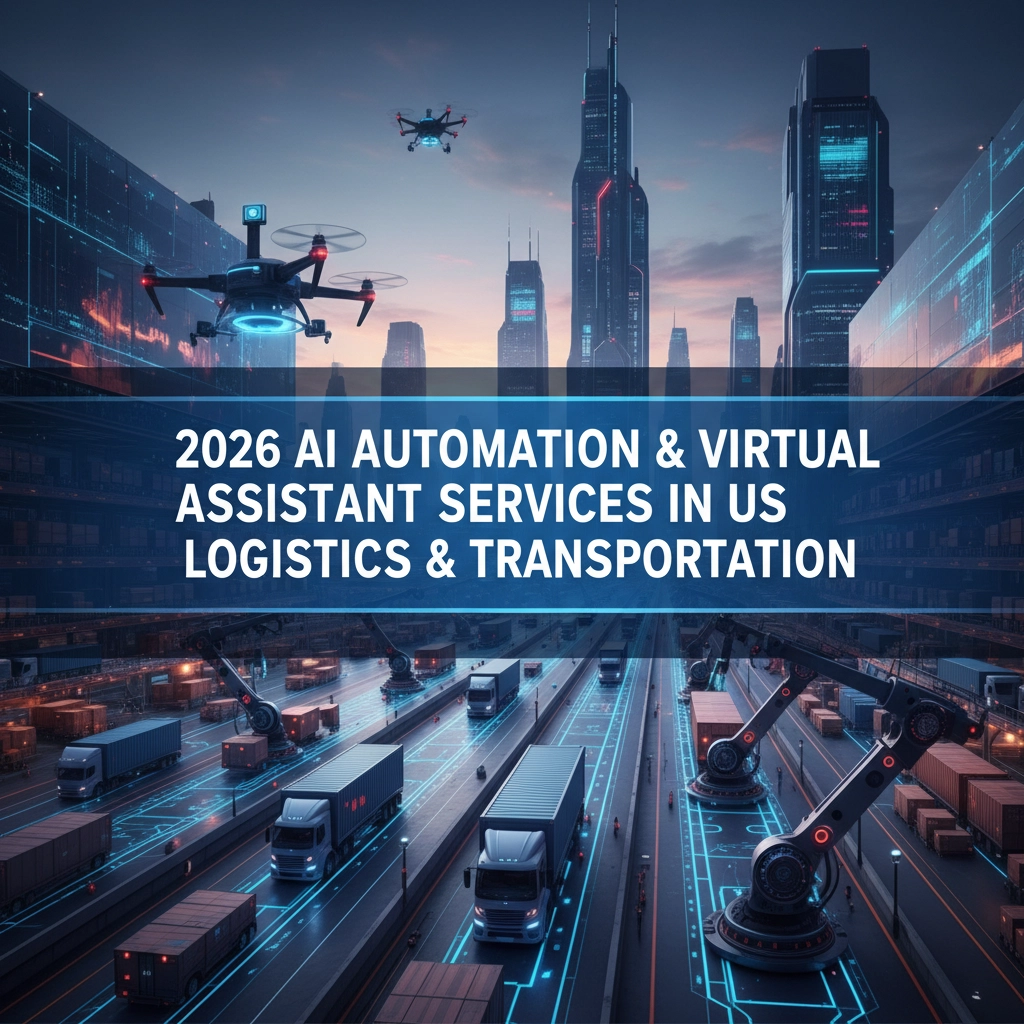
The US logistics and transportation industry is experiencing a revolutionary transformation as we approach 2026. With 96% of logistics companies already implementing generative AI solutions, the sector is rapidly evolving from traditional manual operations to intelligent, automated ecosystems that deliver unprecedented efficiency and cost savings.
The Current AI Revolution in US Logistics
American logistics companies are no longer asking "if" they should adopt AI: they're asking "how fast" they can implement it. Early adopters are already seeing remarkable results: 15% reduction in logistics costs, 35% improvement in inventory optimization, and 65% enhancement in service levels. These aren't future projections: they're happening right now across warehouses, distribution centers, and transportation networks from coast to coast.
The most successful implementations focus on core areas where virtual assistants and AI automation deliver immediate impact. Data entry leads the charge at 41% adoption, followed closely by route and load optimization at 39%, freight forecasting at 35%, and automated load matching at 35%. Customer service chatbots round out the top applications at 34% adoption.
Core Virtual Assistant Tasks Transforming Logistics Operations
Intelligent Data Management and Processing
Virtual assistants excel at handling the massive data flows that define modern logistics. They process shipping documents, track inventory levels, manage vendor communications, and maintain compliance records with 99.9% accuracy. Unlike human workers, these AI systems operate 24/7, processing thousands of transactions without breaks or errors.
Dynamic Route and Load Optimization
AI-powered virtual assistants continuously analyze traffic patterns, weather conditions, fuel costs, and delivery windows to optimize routes in real-time. They automatically reassign loads, prevent scheduling conflicts, and communicate changes to drivers and customers instantly.
Predictive Customer Service
Advanced virtual assistants now handle routine customer inquiries, provide real-time shipment tracking, and proactively notify customers about potential delays. They can process natural language queries, access multiple systems simultaneously, and resolve issues without human intervention.
Automated Vendor and Carrier Management
Virtual assistants manage relationships with thousands of carriers, automatically negotiating rates, scheduling pickups, and monitoring performance metrics. They can blacklist underperforming carriers, identify cost-saving opportunities, and maintain optimal carrier networks without manual oversight.
Major AI Tools Reshaping the Industry
Demand Forecasting Platforms
Machine learning algorithms analyze historical data, market trends, and external factors to predict demand with unprecedented accuracy. These systems reduce stockouts by up to 50% while minimizing excess inventory that ties up capital.
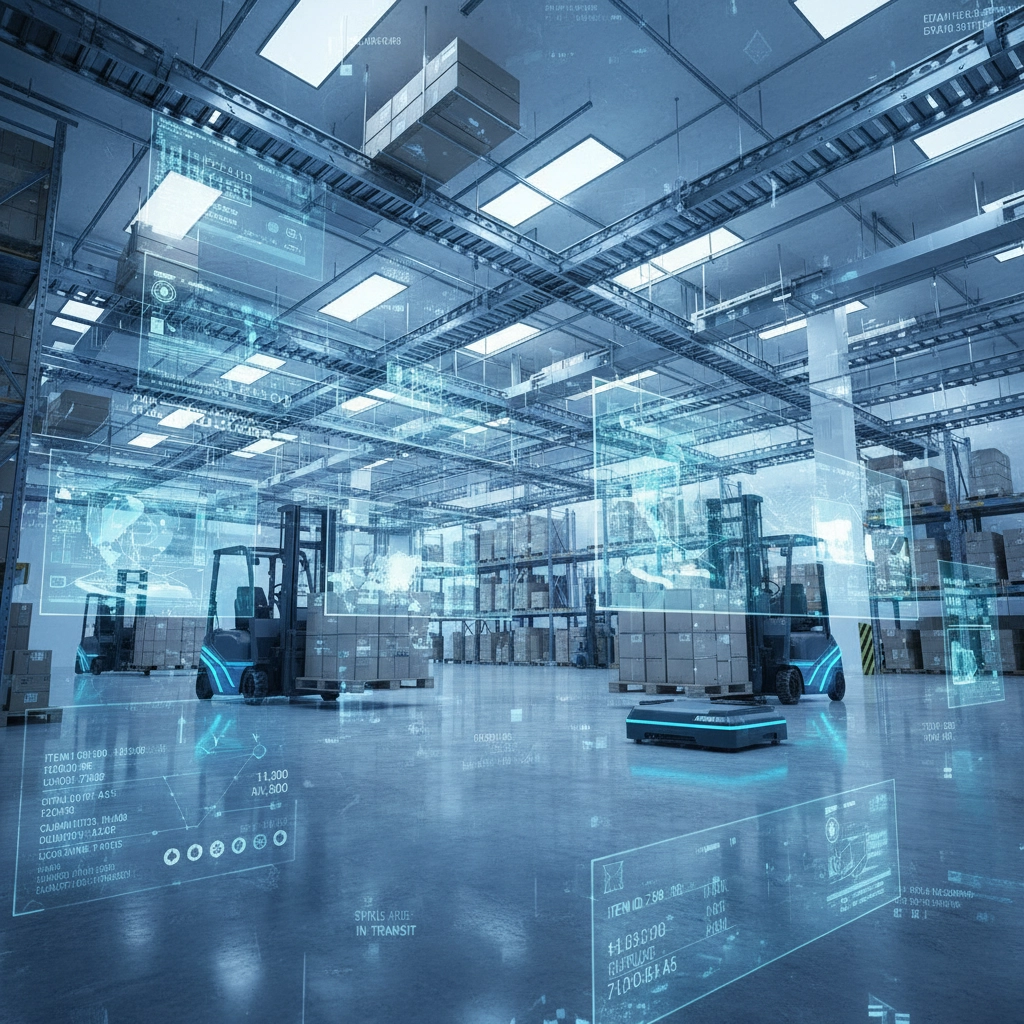
Computer Vision for Warehouse Operations
AI-powered cameras and sensors monitor warehouse operations in real-time, tracking inventory movement, identifying safety hazards, and optimizing storage layouts. This technology improves picking accuracy to 99.7% while reducing workplace accidents by 40%.
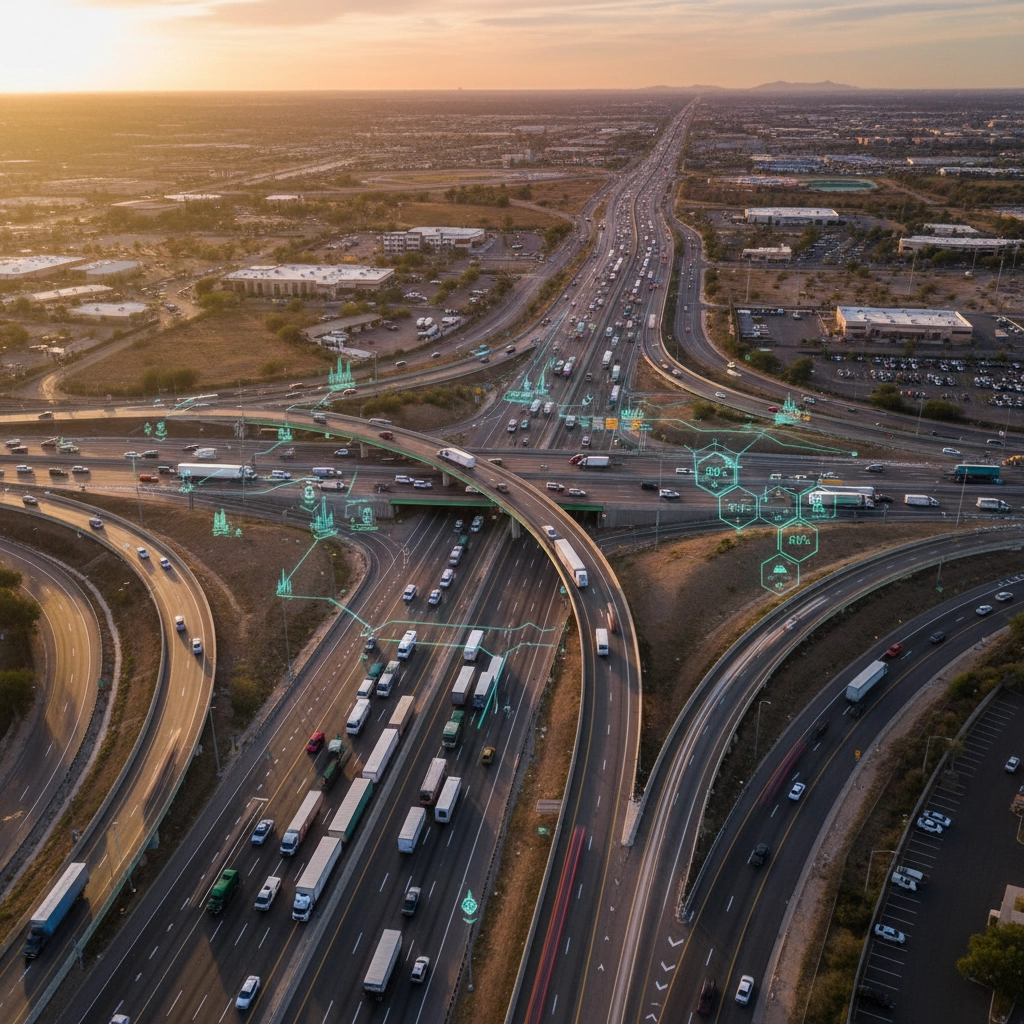
Autonomous Fleet Management Systems
Advanced AI platforms manage entire fleets, monitoring vehicle health, scheduling maintenance, and optimizing fuel consumption. Predictive maintenance capabilities identify potential failures weeks before they occur, reducing unexpected breakdowns by 60%.
Intelligent Transportation Management Systems (TMS)
Next-generation TMS platforms use AI to automatically select optimal carriers, negotiate rates, and manage shipments across multiple modes of transportation. These systems can process thousands of shipment requests simultaneously while finding the most cost-effective solutions.
Step-by-Step Implementation Guide for 2026
Phase 1: Assessment and Planning (Months 1-2)
Start by auditing your current operations to identify the highest-impact automation opportunities. Focus on repetitive tasks that consume significant labor hours and areas where errors frequently occur. Map your data flows and identify integration points with existing systems.
Phase 2: Pilot Program Launch (Months 3-4)
Begin with a focused pilot program targeting one specific area, such as customer service chatbots or automated data entry. This allows you to test the technology, train your team, and refine processes before scaling up. Measure baseline performance metrics to track improvement.
Phase 3: Core System Integration (Months 5-8)
Integrate AI solutions with your existing warehouse management systems (WMS), transportation management systems (TMS), and enterprise resource planning (ERP) platforms. Ensure seamless data flow between systems and establish automated workflows.
Phase 4: Advanced Analytics Implementation (Months 9-10)
Deploy predictive analytics for demand forecasting, route optimization, and maintenance scheduling. Train machine learning models on your historical data to improve accuracy over time.
Phase 5: Full-Scale Deployment (Months 11-12)
Roll out AI solutions across all operations while maintaining human oversight for complex decisions. Establish continuous monitoring and optimization processes to maximize ROI.

Quantified Cost Savings and ROI
The financial impact of AI automation in logistics is substantial and measurable. Companies implementing comprehensive AI solutions typically see:
Labor Cost Reduction: 25-40% decrease in manual data processing and administrative tasks
Fuel Savings: 15-20% reduction through optimized routing and load planning
Inventory Optimization: 30-35% reduction in carrying costs through improved demand forecasting
Customer Service Efficiency: 50-70% reduction in response times and support costs
Maintenance Savings: 40-60% reduction in unexpected equipment failures
A mid-sized logistics company with $50 million in annual revenue can expect total cost savings of $3-7 million annually from comprehensive AI implementation, delivering ROI of 300-700% within the first year.
2026 Industry Predictions and Emerging Trends
Autonomous Last-Mile Delivery
By 2026, autonomous vehicles and drones will handle 15-20% of last-mile deliveries in major US metropolitan areas. AI systems will coordinate these autonomous fleets, optimizing routes and managing customer interactions without human intervention.
Hyper-Personalized Customer Experiences
Virtual assistants will provide customers with personalized delivery options, proactive communication, and dynamic pricing based on individual preferences and historical behavior patterns.
Predictive Supply Chain Resilience
AI will continuously monitor global events, weather patterns, and market conditions to predict and prevent supply chain disruptions before they occur. Systems will automatically reroute shipments, adjust inventory levels, and communicate with all stakeholders in real-time.
Carbon Footprint Optimization
Environmental sustainability will become a core AI optimization parameter, with systems automatically selecting the most eco-friendly transportation options and optimizing routes for minimal carbon emissions.
Virtual Nexgen Solutions: Your Strategic AI Implementation Partner
As a leading provider of AI and virtual assistant services, Virtual Nexgen Solutions specializes in helping US logistics and transportation companies navigate their digital transformation journey. Our industry-specific AI solutions are designed to integrate seamlessly with existing logistics operations while delivering measurable results from day one.
Our team understands the unique challenges facing the logistics industry: from regulatory compliance to seasonal demand fluctuations: and we've developed proven methodologies for successful AI implementation. We don't just provide technology; we deliver comprehensive transformation strategies that position your company for long-term success in an increasingly automated marketplace.
Whether you're looking to automate data processing, implement predictive analytics, or deploy comprehensive virtual assistant solutions, Virtual Nexgen Solutions provides the expertise and support you need to succeed. Our clients consistently achieve ROI within six months of implementation while building sustainable competitive advantages through intelligent automation.
Ready to transform your logistics operations with AI automation and virtual assistant services? The competitive landscape is evolving rapidly, and early adoption provides significant first-mover advantages. Don't let your competitors gain the upper hand while you're still processing shipments manually.
Book a comprehensive consultation with our logistics AI specialists to discover how Virtual Nexgen Solutions can help you achieve the cost savings, efficiency gains, and competitive advantages that define industry leaders in 2026. Visit virtualnexgen.com or schedule your personalized demo today at https://calendly.com/virtualnexgen-info/30min.
About Virtual Nexgen Solutions: We are a premier provider of AI and virtual assistant services, specializing in helping businesses across industries harness the power of intelligent automation to drive growth, reduce costs, and enhance customer experiences. Our proven track record includes successful implementations for logistics companies ranging from regional carriers to Fortune 500 transportation giants.