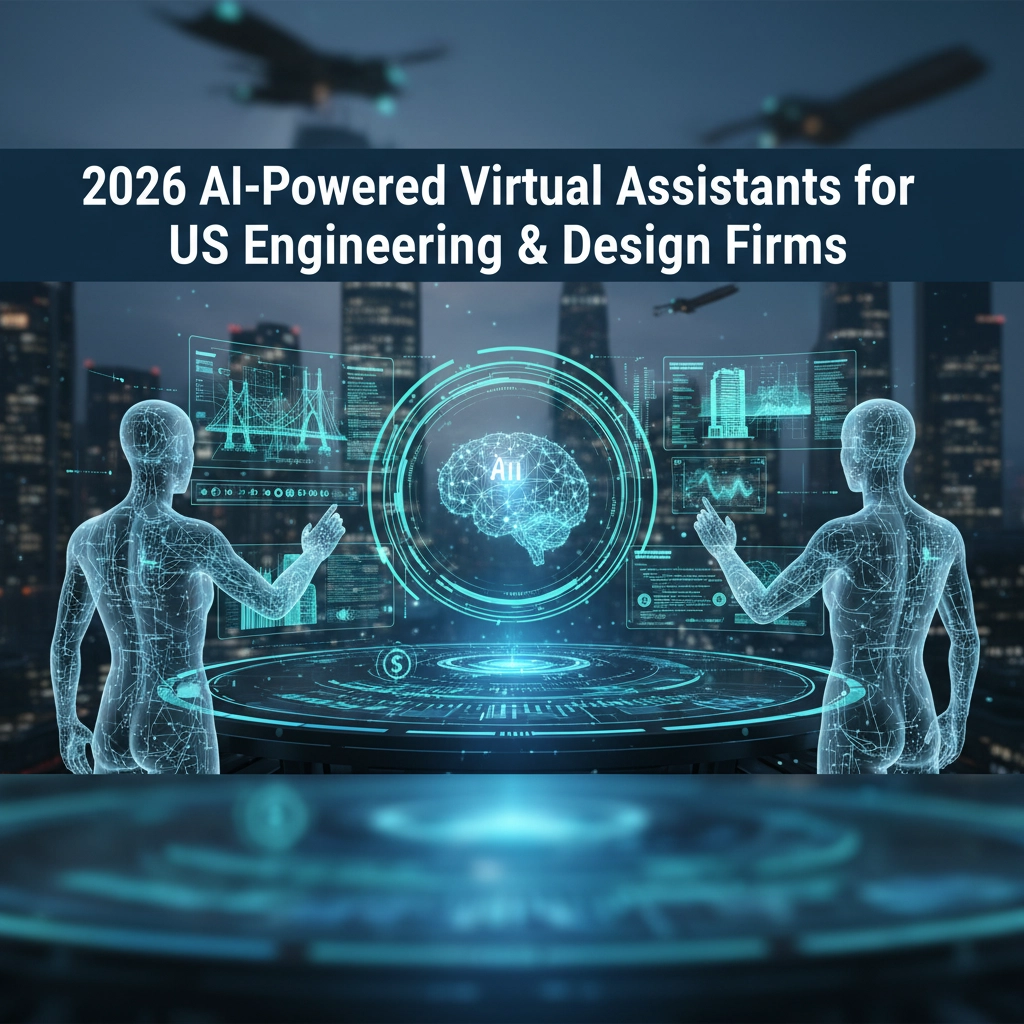
The engineering and design industry in the United States is experiencing a transformative shift as we move through 2026. AI-powered virtual assistants are no longer futuristic concepts: they're becoming essential tools that streamline operations, enhance client relationships, and boost productivity across architectural firms, engineering consultancies, and design studios nationwide.
With labor shortages affecting 89% of construction and engineering firms and project complexity increasing by 35% over the past five years, forward-thinking companies are turning to AI virtual assistants to maintain competitive advantages. These intelligent systems are revolutionizing how firms handle everything from project management to client communications, creating unprecedented efficiency gains.
The Current Challenge Landscape
US engineering and design firms face mounting pressures in 2026. Administrative tasks consume an average of 3.2 hours per day for senior engineers, while project managers spend 40% of their time on coordination activities rather than strategic planning. Client communication gaps lead to scope creep in 67% of projects, and CAD file management issues cause an average of 12 hours of rework per month per team.

Traditional approaches to these challenges: hiring more administrative staff or implementing basic project management software: are proving insufficient. The complexity of modern engineering projects demands intelligent solutions that can adapt, learn, and anticipate needs before problems arise.
How AI Virtual Assistants Transform Engineering Operations
AI-powered virtual assistants designed for engineering and design firms operate as intelligent coordinators, capable of understanding technical terminology, project workflows, and industry-specific requirements. Unlike generic chatbots, these specialized systems integrate deeply with engineering software ecosystems, learning from past projects to provide increasingly valuable insights.
These assistants excel in four critical areas: automating routine administrative tasks, enhancing project management efficiency, streamlining client communications, and integrating seamlessly with CAD and design software. The result is a 40% reduction in administrative overhead and a 25% improvement in project delivery timelines.
Project Management Automation Revolution
Modern AI virtual assistants transform project management by automatically tracking milestones, identifying potential bottlenecks before they impact timelines, and coordinating resources across multiple projects simultaneously. They analyze historical project data to predict realistic completion dates, automatically update stakeholders on progress, and flag when projects deviate from established parameters.
These systems excel at managing complex engineering workflows, from initial feasibility studies through final inspections. They coordinate between disciplines, ensuring structural engineers receive architectural updates immediately, mechanical systems align with structural plans, and all stakeholders maintain current information throughout the project lifecycle.

The automation extends to resource allocation, where AI assistants analyze current workloads, skill requirements, and availability to optimize team assignments. This intelligent scheduling reduces conflicts, maximizes billable hour utilization, and ensures projects maintain appropriate staffing levels throughout their duration.
Revolutionizing Client Communications
Client communication represents one of the most significant opportunities for AI enhancement in engineering firms. AI virtual assistants can provide 24/7 client support, answering common questions about project status, explaining technical concepts in accessible language, and scheduling meetings with appropriate team members.
These systems maintain comprehensive project histories, enabling them to provide detailed updates on any aspect of a project instantly. When clients inquire about permit status, design revisions, or timeline adjustments, the AI assistant accesses real-time data to provide accurate, current information without requiring human intervention.
The communication enhancement extends to proactive client engagement. AI assistants identify when projects reach significant milestones, automatically preparing client updates with relevant visualizations, progress summaries, and next steps. This proactive approach increases client satisfaction scores by an average of 30% while reducing the time engineering staff spend on routine communication tasks.
CAD Integration and Design Workflow Optimization
Perhaps the most impressive capability of 2026 AI virtual assistants is their integration with Computer-Aided Design (CAD) software and engineering analysis tools. These systems monitor design iterations, automatically version control drawings, and alert team members when changes affect their work areas.
AI assistants can analyze CAD files for common errors, suggest design optimizations based on engineering standards, and even identify potential constructibility issues before they reach the field. They maintain libraries of standard details, automatically inserting appropriate specifications based on project requirements and local building codes.

The integration extends to collaborative design processes, where AI assistants coordinate between multiple designers working on the same project. They track who made specific changes, when modifications occurred, and how alterations affect other project components. This coordination significantly reduces conflicts between disciplines and ensures all team members work with current information.
Administrative Task Automation
Administrative efficiency gains represent immediate value for engineering firms implementing AI virtual assistants. These systems handle routine tasks such as timesheet compilation, expense report processing, invoice generation, and compliance documentation with minimal human oversight.
AI assistants excel at maintaining project documentation, automatically organizing files according to firm standards, backing up critical data, and ensuring all required deliverables are completed before project milestones. They track regulatory requirements, remind team members of approaching deadlines, and coordinate submission processes with regulatory agencies.
The automation extends to human resources functions, where AI assistants handle scheduling, coordinate training requirements, and maintain certification tracking for professional engineers. This comprehensive administrative support allows engineering staff to focus on high-value technical work rather than routine paperwork.
Step-by-Step Implementation Guide
Implementing AI virtual assistants in engineering firms requires a strategic approach that minimizes disruption while maximizing benefits. The process begins with comprehensive workflow analysis to identify specific automation opportunities and integration points with existing software systems.
Phase 1 (Weeks 1-4): Conduct thorough assessment of current operations, identifying repetitive tasks, communication bottlenecks, and project management pain points. Document existing software systems, integration requirements, and staff technical comfort levels.
Phase 2 (Weeks 5-8): Select AI virtual assistant platform based on engineering-specific capabilities, CAD integration options, and customization flexibility. Establish data migration plans and integration timelines with existing project management and design software.
Phase 3 (Weeks 9-12): Begin pilot implementation with a single project team, focusing on basic administrative automation and communication enhancement. Train staff on AI assistant capabilities and establish feedback mechanisms for continuous improvement.
Phase 4 (Weeks 13-16): Expand implementation to additional teams, adding advanced features such as CAD integration and predictive project analytics. Monitor performance metrics and adjust configurations based on user feedback and operational results.
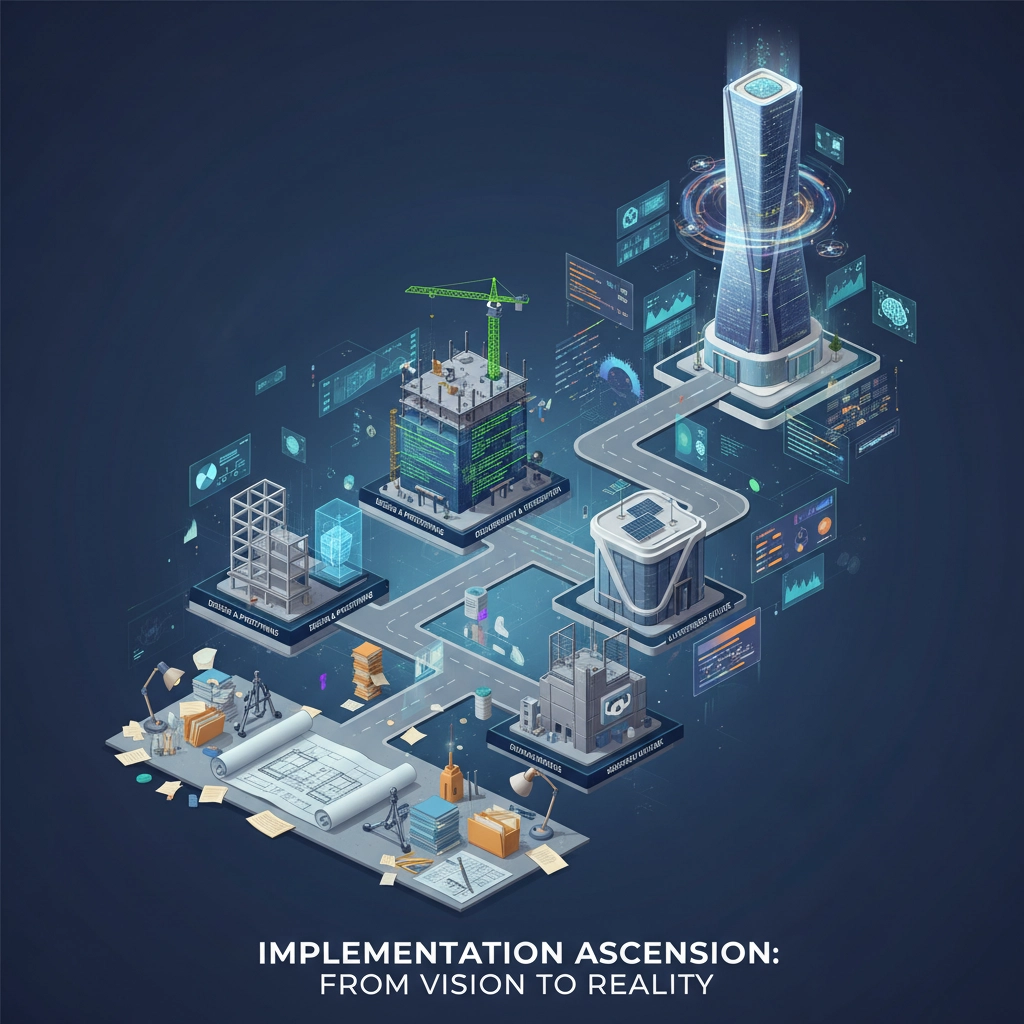
Phase 5 (Weeks 17-20): Achieve full implementation across all project teams, with AI assistants handling the majority of routine administrative tasks and providing advanced project insights. Establish ongoing training programs and continuous improvement processes.
2026 AI Trends Shaping the Future
The AI virtual assistant landscape continues evolving rapidly throughout 2026, with several trends particularly relevant to engineering and design firms. Advanced natural language processing enables these systems to understand complex technical conversations, participate in design discussions, and even suggest creative solutions based on project parameters.
Machine learning capabilities allow AI assistants to become more valuable over time, learning from each project to provide increasingly accurate predictions and recommendations. Integration with augmented reality systems enables AI assistants to provide on-site support during construction, overlaying digital information onto physical environments.
Predictive analytics capabilities are advancing to the point where AI assistants can forecast potential project issues weeks in advance, enabling proactive problem-solving rather than reactive damage control. These predictive capabilities extend to market analysis, helping firms identify emerging opportunities and adjust service offerings accordingly.
About Virtual Nexgen Solutions
At Virtual Nexgen Solutions, we specialize in delivering cutting-edge AI virtual assistant services specifically designed for professional service firms, including engineering and design consultancies. Our team understands the unique challenges facing the architecture, engineering, and construction industries, and we've developed specialized solutions that integrate seamlessly with industry-standard software and workflows.
Our AI virtual assistants are trained on engineering-specific terminology, project management methodologies, and industry best practices. We provide comprehensive implementation support, ongoing training, and continuous optimization to ensure our solutions deliver maximum value to your firm.
With over five years of experience in AI virtual assistant development and a deep understanding of engineering workflows, Virtual Nexgen Solutions has helped numerous firms achieve significant productivity improvements and operational excellence.
Transform Your Engineering Firm Today
The competitive advantages of AI virtual assistants are clear: reduced administrative overhead, improved project delivery timelines, enhanced client satisfaction, and increased profitability. As we progress through 2026, firms that embrace these technologies are positioning themselves for sustained success in an increasingly competitive marketplace.
Don't let your competition gain the advantage. Virtual Nexgen Solutions is ready to help your engineering or design firm implement AI virtual assistant technology that delivers immediate results and long-term value.
Ready to revolutionize your firm's operations? Visit virtualnexgen.com to learn more about our specialized AI virtual assistant solutions for engineering and design firms. Schedule a personalized consultation today at https://calendly.com/virtualnexgen-info/30min and discover how AI can transform your firm's productivity and profitability in 2026 and beyond.