Managing inventory levels manually is becoming increasingly unsustainable for US retail businesses in 2026. Between fluctuating demand patterns, supply chain complexities, and the need for real-time stock monitoring across multiple channels, retailers need automated solutions that work 24/7. Enter n8n automation – a game-changing approach to inventory replenishment that eliminates stockouts while reducing carrying costs.
n8n's visual workflow automation platform enables retailers to build sophisticated inventory management systems without extensive coding knowledge. By connecting your existing tools – from Shopify and WooCommerce to Google Sheets and supplier databases – you can create intelligent workflows that automatically reorder products, notify managers, and maintain optimal stock levels across all sales channels.
Why Traditional Inventory Management Falls Short
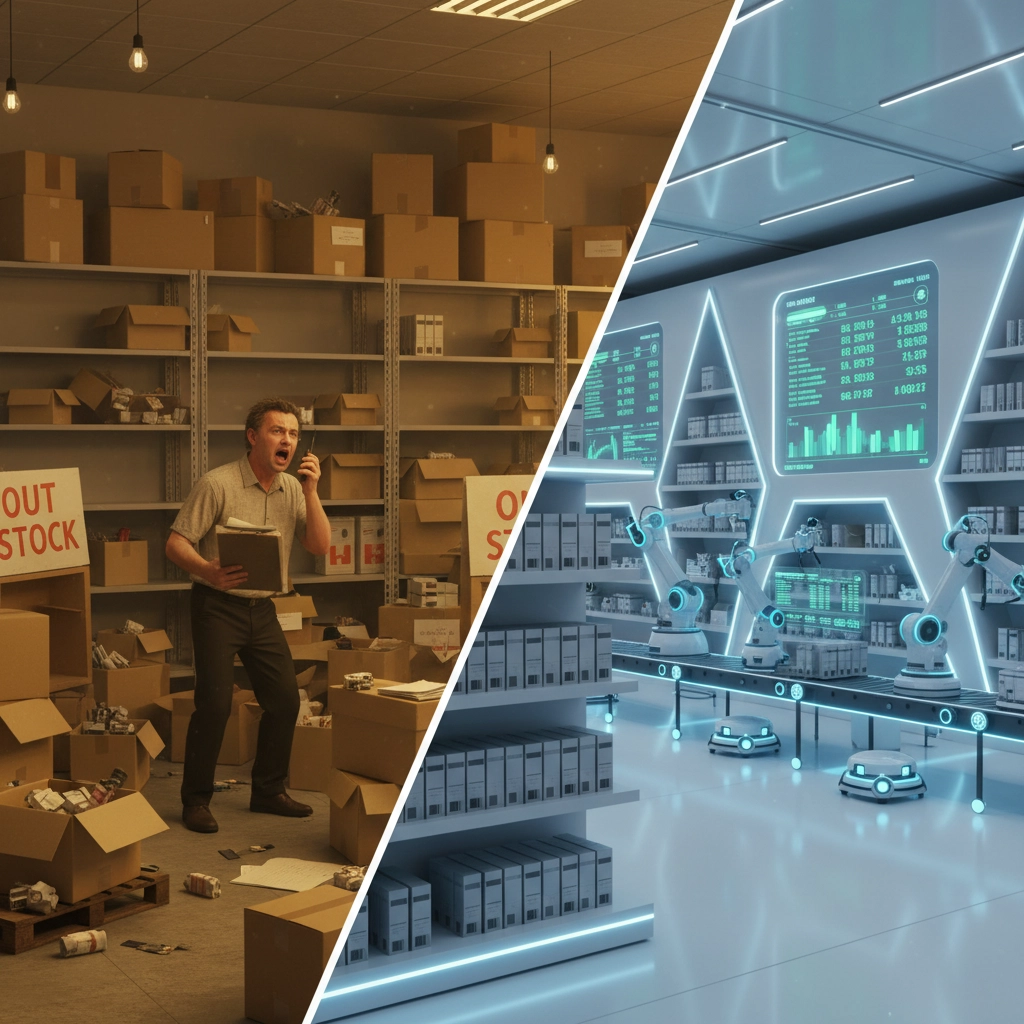
Most US retailers still rely on manual processes or basic alerts for inventory replenishment. Store managers receive daily reports, manually review stock levels, and send individual emails to suppliers when products run low. This reactive approach leads to:
- Stockouts during peak demand periods
- Excess inventory tying up working capital
- Time-consuming manual purchase order creation
- Inconsistent reorder timing across product categories
- Human errors in order quantities and supplier communications
Modern retail operations demand proactive, automated inventory management that responds instantly to changing stock levels while maintaining supplier relationships and optimizing cash flow.
Understanding n8n for Retail Automation
n8n is an open-source automation platform that connects different applications through visual, drag-and-drop workflows. Unlike traditional inventory management software that locks you into specific ecosystems, n8n integrates with virtually any tool your retail business already uses.
The platform monitors your inventory data continuously, executes predefined actions when conditions are met, and maintains detailed logs of all automated activities. This flexibility makes n8n particularly valuable for retailers who use multiple systems for point-of-sale, e-commerce, accounting, and supplier management.
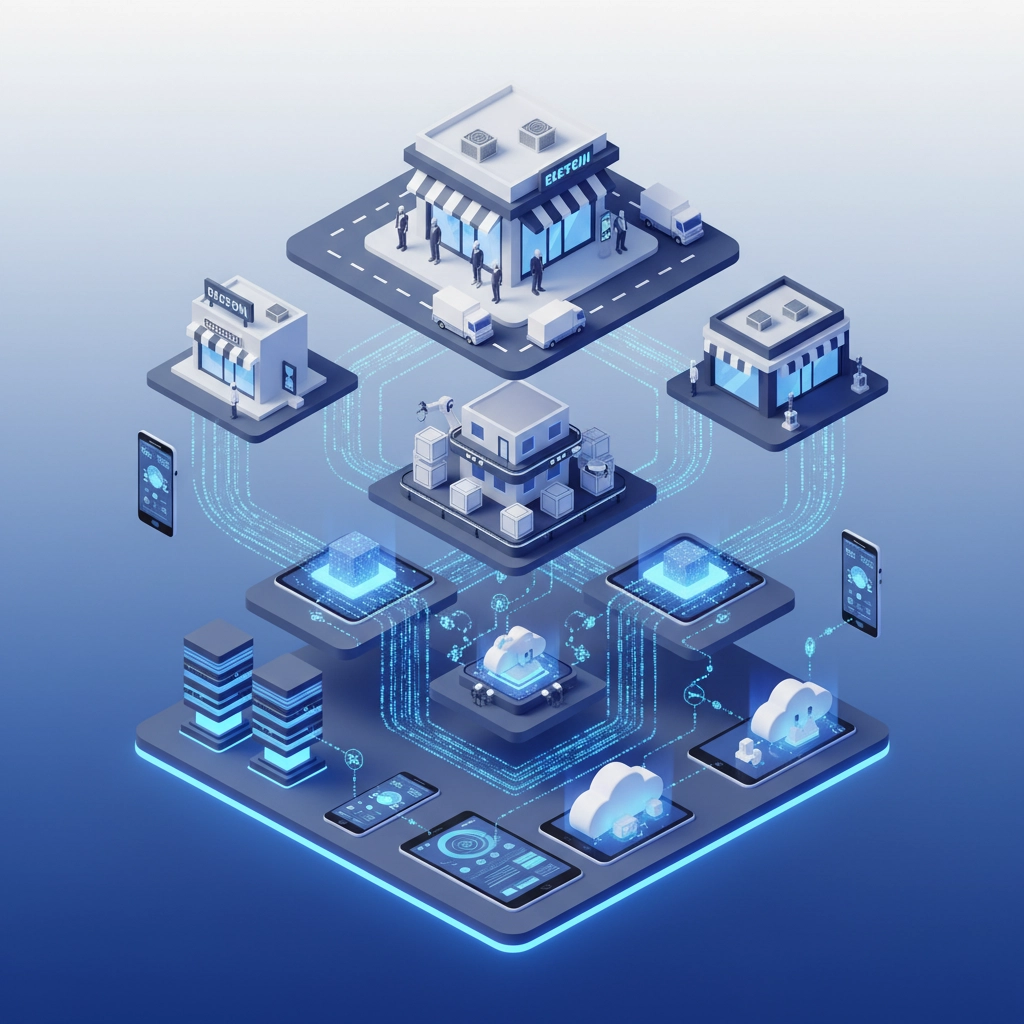
For inventory replenishment, n8n serves as the central nervous system that coordinates between your sales channels, inventory databases, supplier contacts, and team notification systems. When stock levels drop below predetermined thresholds, automated workflows spring into action without human intervention.
Step-by-Step Inventory Replenishment Workflow
Step 1: Stock Level Monitoring
The automation begins with continuous monitoring of your product inventory. n8n can check stock levels through multiple methods:
Real-time triggers activate immediately when your POS system or e-commerce platform reports a sale that brings inventory below the reorder point. Scheduled triggers run daily checks at specific times, ideal for reviewing overall inventory health and catching gradual stock depletion.
Database connections link directly to your inventory management system, warehouse management software, or even Google Sheets where you track stock levels. The workflow evaluates current quantities against your predefined minimum thresholds for each product or SKU.
Step 2: Automated Reorder Email Generation
When products fall below minimum stock levels, n8n automatically generates and sends reorder emails to the appropriate suppliers. This process involves several intelligent components:
Supplier database lookup identifies the correct vendor contact information, preferred order quantities, and any special terms or requirements. Dynamic email composition creates personalized messages that include current stock levels, suggested reorder quantities, and urgent timeline requirements.
AI-powered content generation can enhance these emails by analyzing historical order patterns, seasonal demand fluctuations, and supplier lead times to suggest optimal order quantities and delivery schedules.

Step 3: Manager Notification System
Simultaneously with supplier outreach, the workflow notifies relevant store managers or purchasing personnel through multiple channels:
Slack notifications provide instant alerts with order details and expected delivery timelines. Email summaries offer comprehensive daily reports of all automated reorders with status tracking. Dashboard updates modify internal systems to reflect pending orders and expected inventory receipts.
The notification system ensures human oversight remains part of the process while eliminating the manual burden of constant inventory monitoring and supplier communication.
Essential Workflow Components
Data Integration Points
Successful inventory automation requires seamless data flow between systems. Common integration points include:
E-commerce platforms like Shopify, WooCommerce, or BigCommerce provide real-time sales data and current stock levels. Point-of-sale systems update inventory as in-store transactions occur. Warehouse management systems track physical stock movements and cycle count adjustments.
Supplier databases maintain contact information, lead times, minimum order quantities, and pricing agreements. Accounting software tracks purchase orders, receipt confirmations, and payment scheduling.
Conditional Logic and Business Rules
n8n workflows incorporate sophisticated business logic that mirrors your operational requirements:
Seasonal adjustments modify reorder points based on historical demand patterns and upcoming promotions. Supplier performance metrics prioritize orders from reliable vendors while flagging potential delivery issues. Budget constraints ensure automated orders stay within predetermined spending limits and approval thresholds.
Multi-location logic manages inventory distribution across multiple store locations, warehouses, or fulfillment centers with location-specific reorder parameters.
Advanced Features for 2026 Retail Operations
AI-Enhanced Demand Forecasting
Modern n8n workflows leverage artificial intelligence to improve reorder decision-making. AI agents analyze sales velocity, seasonal trends, promotional impacts, and market conditions to suggest optimal reorder quantities that balance stockout risk against carrying costs.
Machine learning algorithms identify patterns in customer behavior, supplier performance, and external factors that affect demand. This intelligence enables predictive reordering that anticipates needs before stock levels reach critical thresholds.
Multi-Channel Inventory Synchronization
Today's retailers sell across multiple channels simultaneously. n8n automation ensures inventory updates propagate instantly across all sales platforms when purchases occur or new stock arrives. This prevents overselling and maintains accurate availability information for customers regardless of where they shop.
The synchronization extends to marketing automation, automatically pausing advertising for out-of-stock items and resuming campaigns when inventory replenishes.
Supplier Relationship Automation
Advanced workflows manage ongoing supplier relationships through automated communications, performance tracking, and order optimization. n8n can batch multiple product orders for the same supplier into consolidated purchase orders, negotiate better pricing through volume commitments, and maintain detailed supplier scorecards based on delivery performance and product quality.
Measurable Benefits for US Retailers
Retailers implementing automated inventory replenishment typically see immediate improvements in key operational metrics:
Reduced stockouts by 60-80% as automated systems respond faster than manual processes. Lower carrying costs through optimized reorder quantities and timing. Time savings of 10-15 hours per week previously spent on manual inventory management.
Improved supplier relationships through consistent, professional communications and predictable order patterns. Better cash flow management via automated purchase order scheduling aligned with payment terms and budget cycles.
Enhanced customer satisfaction as product availability increases and delivery reliability improves across all sales channels.
Getting Started with Your Automation
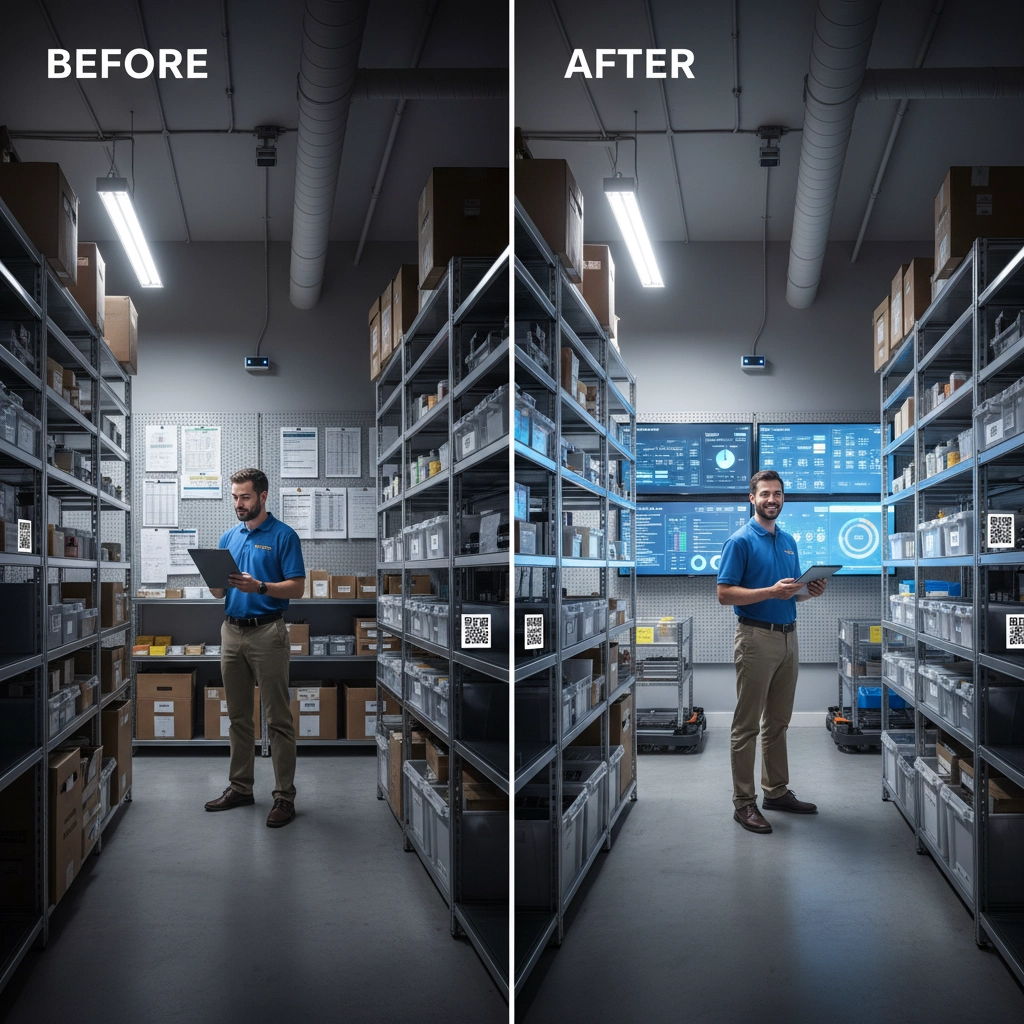
Begin your inventory automation journey by mapping your current processes and identifying the highest-impact automation opportunities. Most retailers start with their fastest-moving products or categories with the highest stockout costs.
Assessment phase involves documenting your current inventory workflow, supplier relationships, and technology stack. Pilot implementation focuses on 10-20 high-priority SKUs to test and refine the automation logic. Gradual expansion adds product categories and advanced features as your team becomes comfortable with automated processes.
The key to success lies in starting simple and building complexity gradually. Basic stock monitoring and supplier notifications provide immediate value while establishing the foundation for more sophisticated automation features.
Transform Your Retail Operations with Expert Automation
Implementing sophisticated inventory automation requires expertise in both retail operations and technical integration. The complexity of connecting multiple systems, establishing reliable triggers, and maintaining data accuracy can overwhelm internal teams already managing day-to-day operations.
At Virtual Nexgen Solutions, we specialize in designing and implementing custom automation solutions that transform retail operations. Our team understands the unique challenges US retailers face and creates tailored n8n workflows that integrate seamlessly with your existing systems while delivering measurable ROI.
Ready to eliminate stockouts and streamline your inventory management? Schedule a consultation to discover how automated inventory replenishment can transform your retail operations and boost profitability in 2026.