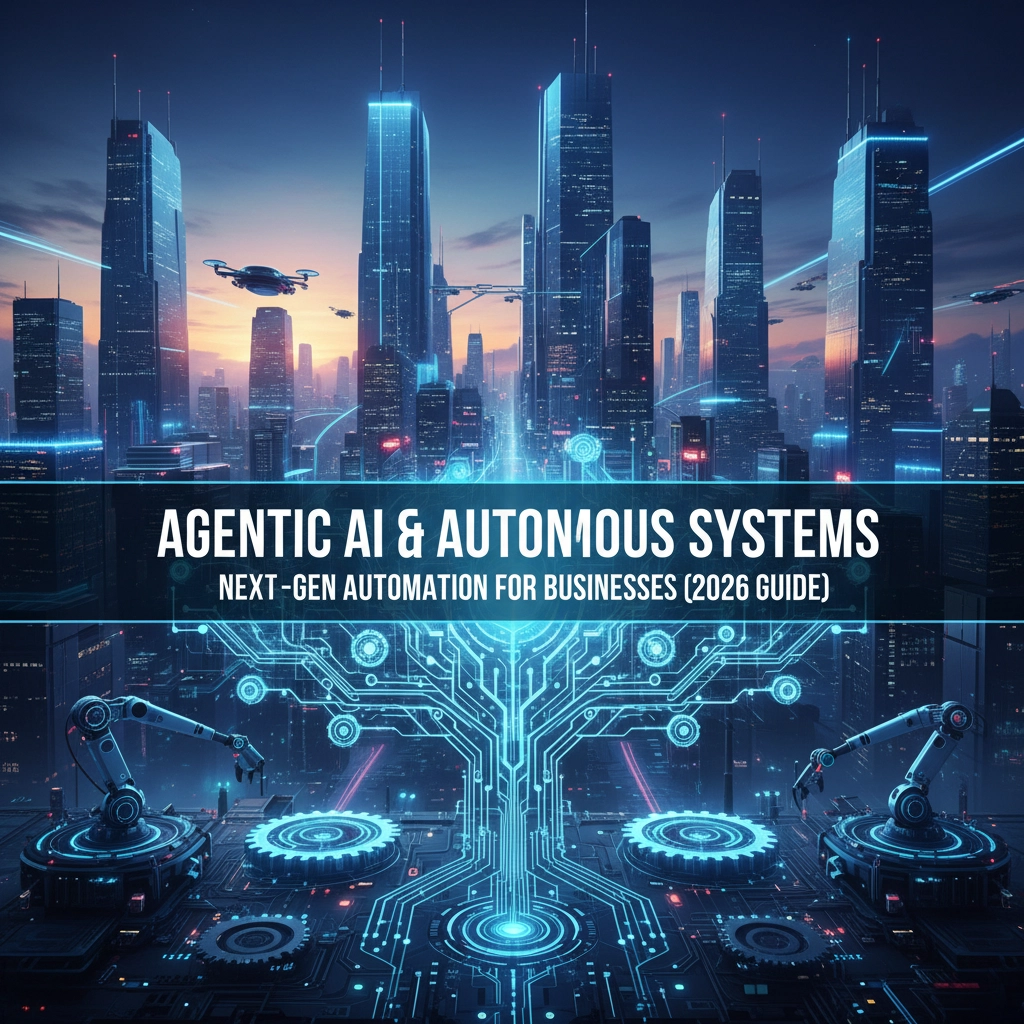
The business automation landscape is experiencing its most significant transformation since the advent of the internet. While traditional automation tools follow predetermined scripts and generative AI requires constant human oversight, agentic AI represents a quantum leap forward: autonomous systems that think, learn, and act independently to achieve business objectives.
As we enter 2026, forward-thinking enterprises are moving beyond basic task automation to deploy intelligent agents that operate with true autonomy, making real-time decisions and adapting to changing business conditions without human intervention. This isn't just another incremental improvement; it's a fundamental reimagining of how businesses can operate, compete, and scale.
What Makes Agentic AI Different from Traditional Automation
Unlike rule-based automation that follows static workflows or generative AI that creates content on command, agentic AI systems possess three critical capabilities that set them apart:
Autonomous Decision-Making: These systems evaluate complex situations, weigh multiple variables, and make strategic decisions without requiring human approval for every action. They operate continuously, monitoring live environments and responding to changes as they occur.
Contextual Learning: Agentic AI maintains memory across interactions, learns from outcomes, and continuously improves its decision-making processes. Each experience builds upon previous ones, creating increasingly sophisticated operational intelligence.
Multi-System Orchestration: Rather than automating isolated tasks, agentic systems coordinate across multiple business applications, data sources, and workflows to execute complex, end-to-end processes seamlessly.

Why 2026 Is the Breakthrough Year for Autonomous Business Systems
Several converging factors make 2026 the pivotal year for widespread agentic AI adoption across American enterprises:
Infrastructure Maturity: Organizations have spent the last decade building robust data infrastructure, cloud platforms, and AI/ML capabilities. This foundation now supports the real-time, data-intensive requirements of autonomous systems.
Economic Pressure: Rising operational costs, talent shortages, and increased competition demand more efficient business processes. Companies can no longer afford to rely solely on human-intensive workflows for routine operations.
Regulatory Clarity: As AI governance frameworks mature, businesses gain confidence in deploying autonomous systems within compliance-friendly environments, particularly in highly regulated industries like finance and healthcare.
Proven ROI: Early adopters are demonstrating measurable returns. For example, H&M's autonomous customer service agents resolved 70% of inquiries independently while increasing conversion rates by 25%.
Real-World Applications Transforming Business Operations
Customer Experience Management
Agentic AI is revolutionizing customer interactions by handling complex, multi-step service requests autonomously. These systems understand context, access relevant customer data across multiple systems, and resolve issues while escalating only exceptional cases to human agents.
IT Operations and Security
Autonomous agents monitor infrastructure health, detect anomalies, and implement remediation strategies in real-time. They coordinate across security tools, analyze threat intelligence feeds, and execute response protocols faster than human-only approaches.
Supply Chain Optimization
AI agents continuously monitor supply chain conditions: weather patterns, demand fluctuations, transportation delays: and autonomously adjust procurement, logistics, and inventory decisions to maintain optimal operations.
Financial Operations
From fraud detection to compliance monitoring, agentic systems process transactions, identify irregularities, and take appropriate action while maintaining detailed audit trails for regulatory requirements.
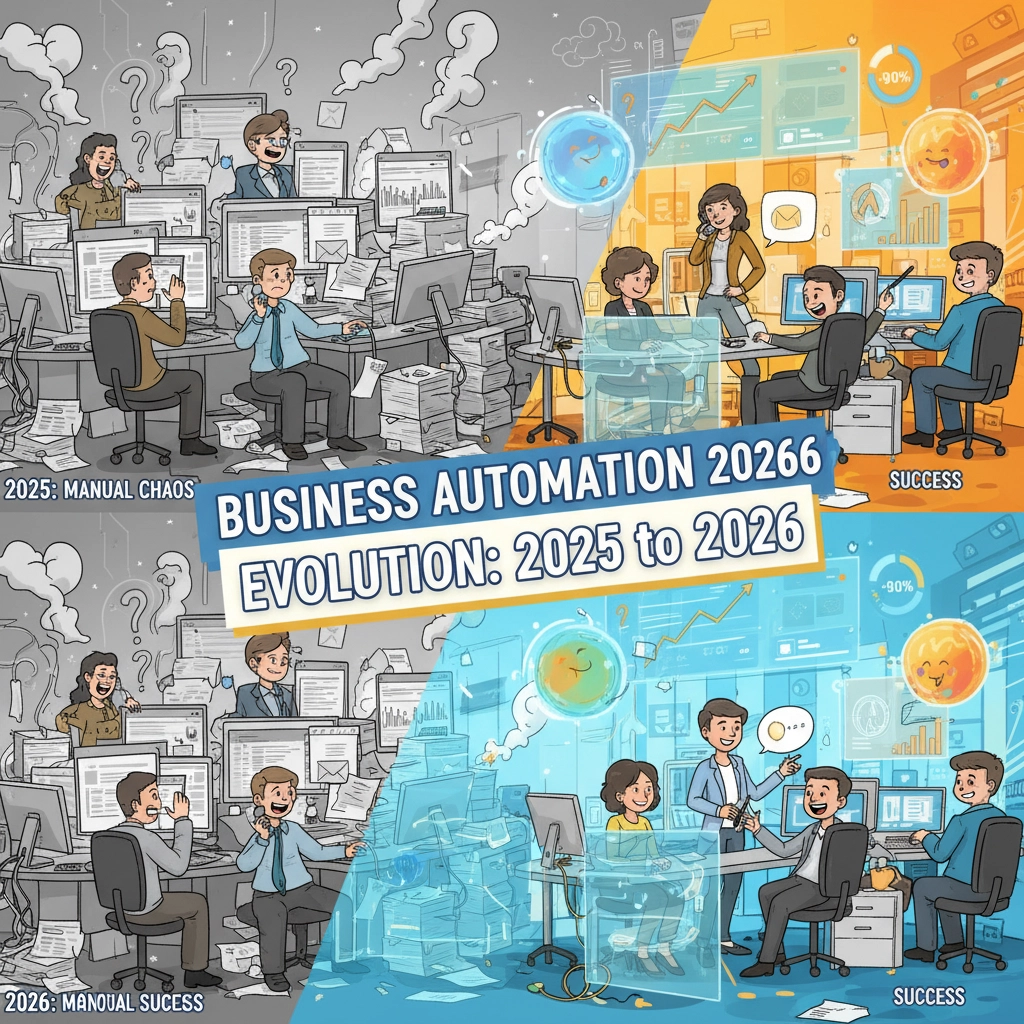
Strategic Implementation: Building Your Agentic AI Roadmap
Successfully deploying autonomous systems requires a structured approach that balances innovation with operational stability:
Phase 1: Foundation Assessment
Evaluate your current data infrastructure, API connectivity, and business process documentation. Agentic AI requires real-time access to clean, structured data across all relevant systems.
Phase 2: Pilot Program Development
Select high-impact, low-risk processes for initial deployment. Customer service inquiries, routine IT maintenance, and basic data processing tasks offer excellent starting points.
Phase 3: Integration and Scaling
Gradually expand autonomous capabilities across interconnected business processes. This phase requires careful change management and employee training programs.
Phase 4: Optimization and Expansion
Fine-tune agent performance based on real-world outcomes and extend autonomous capabilities to more complex, strategic business functions.
Measurable Business Benefits and ROI
Organizations implementing agentic AI report significant improvements across multiple metrics:
Operational Efficiency: 40-60% reduction in processing time for routine tasks, with 24/7 availability that traditional staffing models cannot match.
Cost Reduction: Substantial decreases in operational costs through reduced manual intervention, fewer errors, and optimized resource allocation.
Strategic Agility: Faster response to market changes, competitive threats, and customer demands through continuous environmental monitoring and autonomous adjustment.
Employee Satisfaction: Staff report higher job satisfaction when relieved of repetitive tasks and empowered to focus on strategic, creative work.
Customer Experience: Improved response times, consistency, and availability lead to higher customer satisfaction scores and increased loyalty.

Overcoming Implementation Challenges
Data Quality and Integration
Autonomous systems require high-quality, real-time data access. Invest in data cleansing, API standardization, and system integration before deploying agentic AI.
Change Management
Employees may resist autonomous systems due to job security concerns. Transparent communication about role evolution and upskilling opportunities is essential.
Governance and Compliance
Establish clear decision boundaries, audit trails, and escalation protocols. Define which decisions agents can make independently and which require human oversight.
Security and Risk Management
Implement robust cybersecurity measures and continuously monitor agent behavior to prevent unauthorized actions or data breaches.
The Future of Autonomous Enterprise Operations
By 2027, industry analysts predict that 45% of organizations will operate AI agents at enterprise scale, fundamentally changing how businesses compete and deliver value. The most successful companies will be those that begin their agentic AI journey now, building competitive advantages through autonomous operations while their competitors rely on traditional approaches.
The transformation extends beyond technology: it represents a new business operating model where human creativity and strategic thinking combine with autonomous execution and continuous optimization. Organizations that embrace this shift will operate with unprecedented speed, accuracy, and adaptability.
Transform Your Business with Expert Agentic AI Implementation
At Virtual Nexgen Solutions, we specialize in helping businesses navigate the transition to autonomous operations. Our team of AI automation experts works with companies across industries to design, implement, and optimize agentic AI systems that deliver measurable results.
Whether you're exploring automation possibilities for customer service, operations management, or strategic business processes, we provide the expertise and support needed to successfully deploy autonomous systems that drive real business value.
Ready to explore how agentic AI can transform your operations? Book a free consultation with our automation specialists to discuss your specific business requirements and develop a customized implementation roadmap.
Schedule your 30-minute strategy session here →
Don't let your competitors gain the autonomous advantage while you're still managing manual processes. The future of business operations is autonomous, intelligent, and available today. Let's build it together.