Google's AI Overviews have fundamentally changed how businesses can gain visibility in search results. Instead of competing for traditional blue links, your business can now be directly cited and quoted at the very top of search results: giving you unparalleled exposure to potential customers.
The stakes are high. When Google's AI cites your business in an overview, you're not just getting a link: you're getting an authoritative recommendation that influences purchasing decisions. Research shows that businesses cited in AI Overviews see conversion rates 5x higher than traditional organic search traffic.
But getting cited isn't luck: it requires strategic, data-driven approaches. Here are seven proven strategies that are currently working for businesses across industries.
1. Dominate YouTube for Maximum Citation Potential
YouTube isn't just for entertainment: it's become the #1 source for AI Overview citations, accounting for 29.5% of all citations. This surpasses even Mayo Clinic, Wikipedia, and every major news outlet combined.
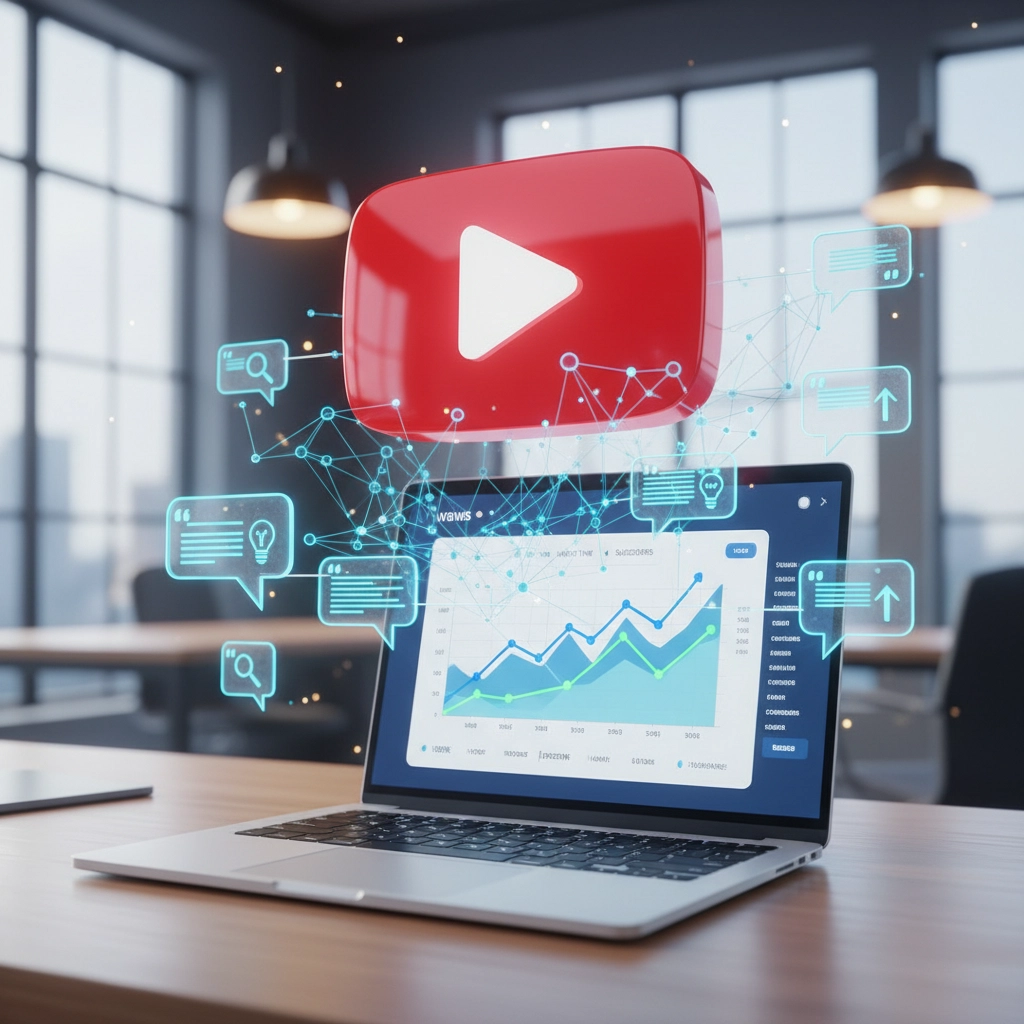
The key is creating comprehensive tutorial content that directly answers your customers' most pressing questions. Structure your videos to provide the core answer within the first two minutes, then expand with detailed explanations and examples.
Action Steps:
- Create 15-20 tutorial videos covering your industry's key pain points
- Upload manually edited transcripts instead of relying on auto-generated captions
- Enable closed captions and include timestamps for major topics
- Keep videos between 8-12 minutes for optimal engagement and citation potential
For businesses in sectors like real estate or insurance, YouTube tutorials explaining complex processes or common questions can become citation goldmines.
2. Build LinkedIn Authority for Professional Queries
LinkedIn has emerged as a top citation source for B2B and professional searches. Google's AI system treats LinkedIn content as a primary trust signal for business-related queries, especially in professional services.
Optimize your LinkedIn profile with clear expertise signals and publish thought leadership articles containing original research and industry insights. When AI systems need expert perspectives on professional topics, they frequently draw from LinkedIn thought leaders.
What Works:
- Publish 12+ in-depth LinkedIn articles annually with original data
- Include industry statistics, case studies, and best practices
- Use professional headshots and detailed company descriptions
- Share insights about industry trends and future predictions
3. Create "Answer Nuggets" with Schema Markup
One of the most technical yet effective strategies involves creating concise 40-80 word answer sections directly below major content headings. These "answer nuggets" should be marked with FAQ or HowTo schema markup so Google's AI can easily parse and quote them.

Each answer nugget must include publication dates and author bylines to reinforce expertise signals. Pages with proper schema markup are 3x more likely to earn AI citations compared to pages without it.
Technical Implementation:
- Use JSON-LD schema markup (FAQ, HowTo, ImageObject types)
- Structure answers as direct responses to common customer questions
- Include author credentials and publication dates
- Test schema implementation using Google's Rich Results Test tool
4. Build Comprehensive Content Clusters
Google's AI algorithms reward thorough coverage of topics across multiple platforms from the same authoritative source. Create content clusters where the same topic is addressed through different formats and platforms.
This isn't about republishing identical content: each format should offer unique value:
- YouTube videos with visual demonstrations
- LinkedIn articles with industry analysis
- Website blog posts with detailed step-by-step guides
- Downloadable resources and case studies
When AI systems see that a single brand provides comprehensive coverage across multiple channels, citation probability increases significantly. This strategy works particularly well for businesses offering specialized services where expertise demonstration is crucial.
5. Implement Strategic Content Updates
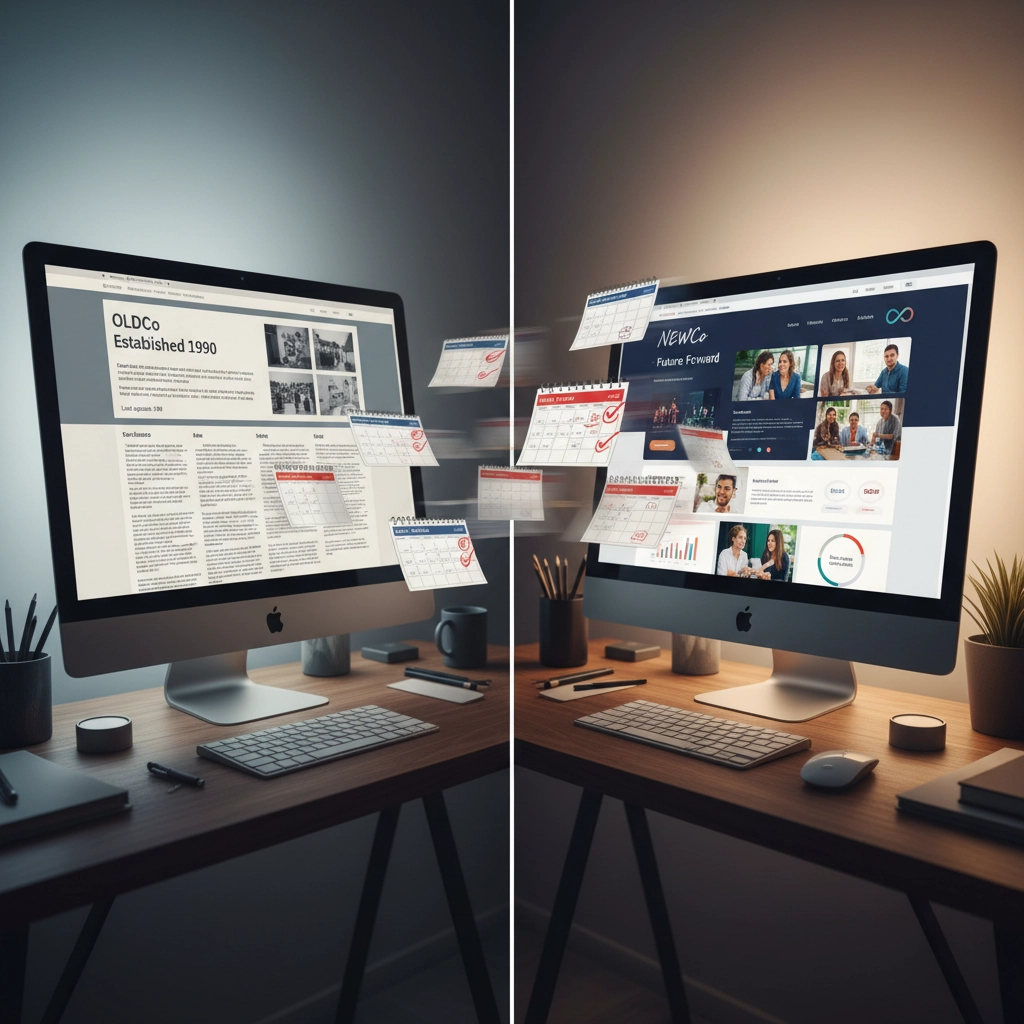
Google's AI Overviews prioritize fresh, current content. Rather than creating content once and abandoning it, implement a systematic update schedule every 30-60 days.
Update Strategy:
- Refresh YouTube video descriptions with current information
- Add new chapters and timestamps to existing videos
- Update LinkedIn articles with latest data and mark changes with timestamps
- Revise website content with current statistics and industry developments
This signals to AI systems that your content reflects the latest information, dramatically increasing citation probability.
6. Develop Strategic Comparison Content
AI Overviews frequently cite comparison content when users search for "X vs Y" queries or "best of" category searches. Create dedicated comparison content across all your platforms.
Effective Comparison Formats:
- YouTube videos showing side-by-side feature demonstrations
- LinkedIn articles with detailed comparison tables and analysis
- Website posts with comprehensive pros/cons breakdowns
- Visual infographics highlighting key differences
Well-structured comparison content performs exceptionally well because it provides the comprehensive answer format that AI systems prefer. This is especially valuable for service-based businesses competing in crowded markets.
7. Invest in Brand Authority and Digital PR
Citation placement reflects domain-level authority decisions. While content relevance matters for specific quotes, Google's system first decides which domains are trustworthy enough to cite.

Authority-Building Tactics:
- Secure guest articles in authoritative industry publications
- Get your experts quoted in relevant news stories and industry reports
- Create original research that other publications reference and cite
- Build high-quality backlinks from trusted industry sources
The more your brand is mentioned across authoritative websites, the more Google's AI views your content as credible for citation. This is a longer-term strategy but essential for competing against established industry leaders.
Implementation Timeline and Results
Start with foundational work in month one: audit 50+ industry-relevant queries to establish your current AI citation baseline. Optimize your YouTube channel and LinkedIn profile with expertise signals.
Month two focuses on content creation: develop comprehensive YouTube tutorials and begin publishing LinkedIn thought leadership articles. Month three integrates all platforms into a cohesive citation network.
Businesses implementing this comprehensive strategy typically see 300%+ increases in AI referral traffic within 90 days, with significantly higher conversion rates than traditional search traffic.
Getting Professional Support
Implementing these strategies requires significant time and expertise: resources that many growing businesses simply don't have. The technical aspects of schema markup, content optimization, and multi-platform coordination can be overwhelming while running your core business operations.
This is where professional support becomes invaluable. At Virtual Nexgen Solutions, we help businesses implement comprehensive AI Overview optimization strategies without overwhelming their internal teams. Our marketing virtual assistants can handle content creation, technical implementation, and ongoing optimization while you focus on serving your customers.
Whether you need help with content strategy, technical SEO implementation, or comprehensive digital marketing support, our team has the expertise to help your business succeed in the AI-driven search landscape.
Ready to get your business cited in Google's AI Overviews? Book a free 30-minute consultation to discuss how we can help implement these strategies for your specific business needs.
The opportunity to establish dominance in AI Overviews is still available, but the window is narrowing as more competitors discover these strategies. The businesses that act now will have a significant advantage in the AI-powered search landscape.