Small business owners are drowning in administrative tasks while watching potential customers slip through the cracks. If you're spending more time on data entry than closing deals, you're not alone. Recent studies reveal that sales teams using AI Sales Assistant technology experience a 50% increase in productivity while reducing administrative time by 40%. More importantly, businesses implementing AI automation see conversion improvements within just 2-4 weeks.
The question isn't whether you need an AI sales assistant: it's how quickly you can implement one to stay competitive.
What Exactly Is an AI Sales Assistant?
An AI Sales Assistant is an intelligent automation system that handles repetitive sales tasks, analyzes customer data, and provides actionable insights to boost your conversion rates. Unlike traditional CRM systems that simply store information, AI sales assistants actively work to identify opportunities, prioritize leads, and automate follow-ups.
Think of it as having a tireless sales team member who never sleeps, never forgets to follow up, and can analyze thousands of data points in seconds to identify your hottest prospects.

The Immediate Impact on Small Business Sales
50% More Leads in Your First Month
AI Sales Assistant technology doesn't just organize your existing leads: it actively generates new ones. By analyzing website behavior, email engagement, and social media interactions, these systems identify warm prospects who might otherwise go unnoticed. Small businesses typically see a 50% increase in qualified leads within their first month of implementation.
Cost Reduction That Hits Your Bottom Line
The financial impact is immediate and measurable. Businesses report cost reductions of up to 60% on sales-related activities. Here's why: AI handles tasks that would typically require additional staff: lead scoring, email sequences, appointment scheduling, and follow-up reminders. You're essentially getting a full-time sales coordinator without the salary, benefits, or vacation time.
70% Reduction in Call Time
AI automation experts for businesses understand that time is money. AI sales assistants pre-qualify leads before they reach your human sales team, ensuring every call is with a genuine prospect. This results in up to 70% reduction in unproductive call time, allowing your team to focus exclusively on closing deals.
Key Features That Drive Results
Intelligent Lead Scoring and Prioritization
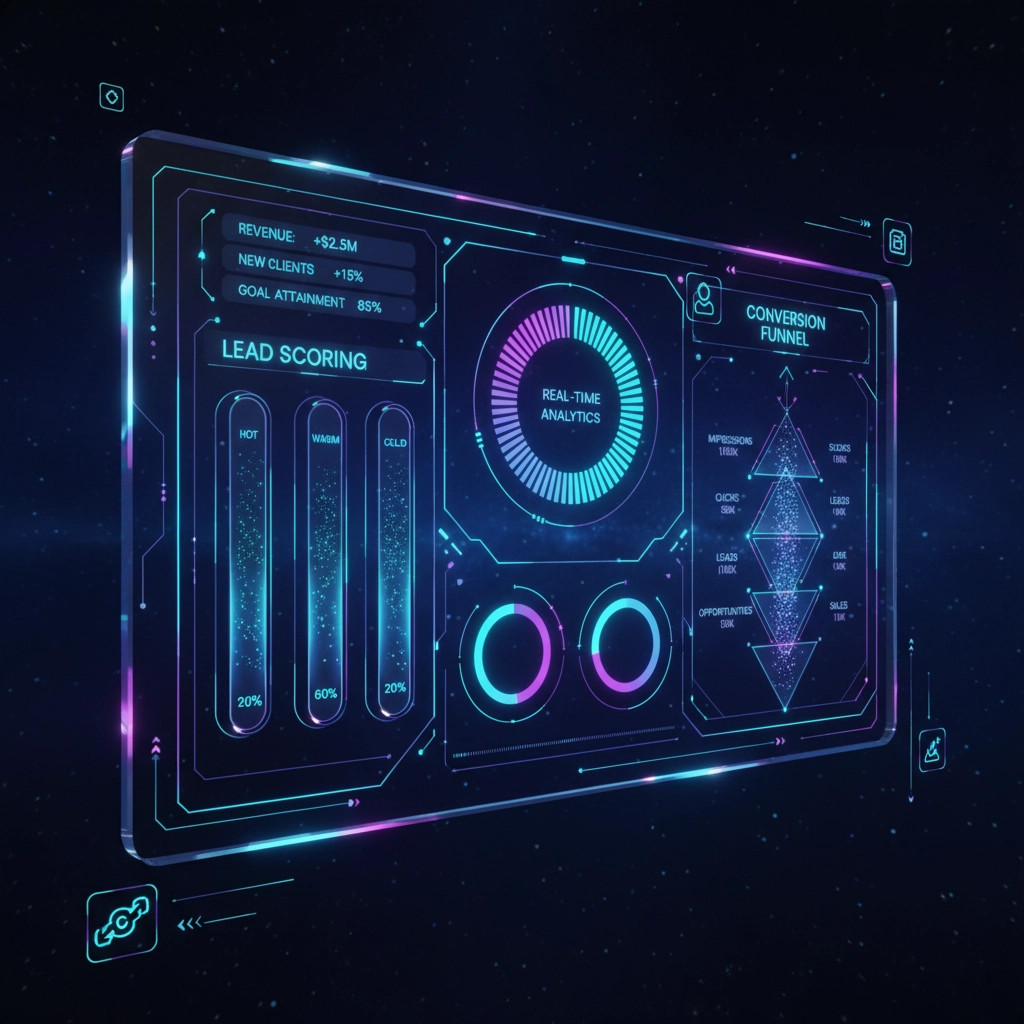
Not all leads are created equal. AI sales assistants analyze dozens of factors: email open rates, website time spent, download history, social media engagement: to score each prospect. Your sales team receives a prioritized list each morning, focusing their energy on leads with the highest conversion probability.
Automated Follow-Up Sequences
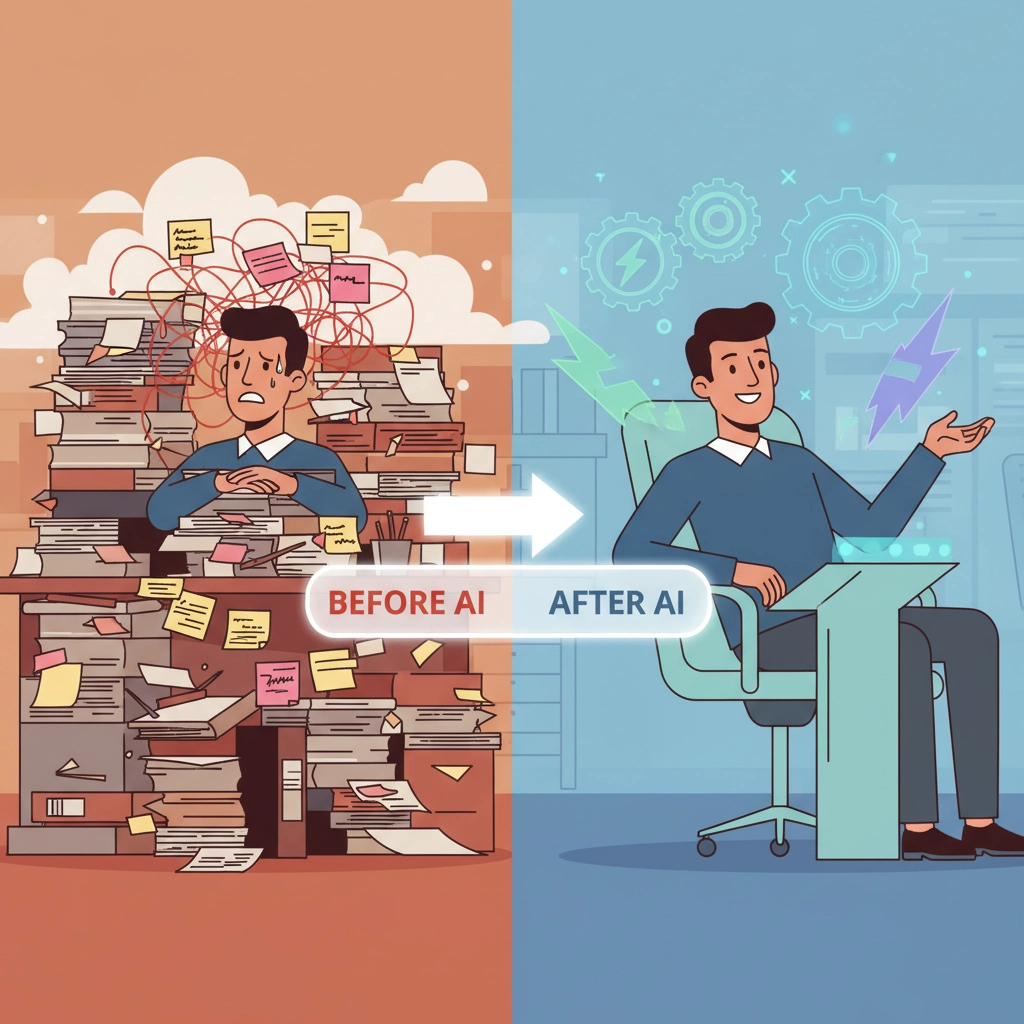
The fortune is in the follow-up, but manual follow-ups are time-consuming and inconsistent. AI sales assistants send personalized emails at optimal times, nurture cold leads with valuable content, and alert your team when a prospect becomes sales-ready. This automation ensures no potential customer falls through the cracks.
Predictive Analytics for Deal Forecasting
Small business owners need to make informed decisions about inventory, staffing, and cash flow. AI sales assistants analyze historical sales data, seasonal trends, and current pipeline activity to provide accurate sales forecasts. This insight helps you plan ahead and allocate resources effectively.
24/7 Customer Response
Your competitors might sleep, but your AI sales assistant doesn't. It responds to inquiries instantly, qualifies prospects outside business hours, and ensures every potential customer receives immediate attention. This round-the-clock availability significantly improves customer satisfaction and conversion rates.
Real-World Implementation Examples
E-commerce Store Success
A small online retailer implemented an AI Sales Assistant to handle abandoned cart recovery and cross-selling recommendations. Within three weeks, their conversion rate increased by 35%, and average order value rose by 22%. The AI identified buying patterns that humans missed, suggesting products that customers actually wanted.
Service-Based Business Transformation
A local HVAC company used AI automation to qualify service calls and schedule appointments. Previously, they spent hours on phone calls that didn't convert. The AI pre-qualified leads, scheduled appointments during optimal time slots, and sent automated reminders. Their booking rate increased by 45% while reducing administrative overhead by 60%.
B2B Consulting Breakthrough
A marketing consultant implemented AI lead scoring to identify which prospects were ready for premium services. Instead of generic outreach, the AI identified companies showing specific buying signals: recent website visits, email engagement, and content downloads. This targeted approach doubled their closing rate within six weeks.
The Cost-Benefit Analysis
Traditional Sales Approach Costs
- Sales coordinator salary: $35,000-$45,000 annually
- CRM software: $1,200-$3,600 annually
- Lead generation tools: $2,400-$6,000 annually
- Training and onboarding: $5,000-$8,000
- Total: $43,600-$62,600 annually
AI Sales Assistant Investment
- AI automation platform: $3,000-$8,000 annually
- Setup and customization: $1,000-$3,000 (one-time)
- Total: $4,000-$11,000 annually
The math is clear: AI sales assistants deliver superior results at a fraction of the cost.

Getting Started: Your 30-Day Implementation Plan
Week 1: Data Audit and Goal Setting
Review your current sales process, identify bottlenecks, and establish baseline metrics. Determine which tasks consume the most time and which leads convert best.
Week 2: AI Platform Selection and Setup
Choose an AI sales assistant that integrates with your existing tools. Import your customer data and configure lead scoring parameters based your best customers' characteristics.
Week 3: Automation Sequence Creation
Build email sequences for different prospect types, set up lead nurturing campaigns, and create automated responses for common inquiries.
Week 4: Testing and Optimization
Monitor performance metrics, adjust scoring algorithms based on results, and fine-tune messaging for better engagement rates.
Why Partner with AI Automation Experts for Businesses
Implementing AI sales assistants requires expertise in both technology and sales psychology. At Virtual Nexgen Solutions, we've helped hundreds of small businesses automate their business with AI and achieve measurable results within weeks.
Our team handles the technical complexity while you focus on what you do best: running your business. We provide:
- Custom AI sales assistant configuration
- Integration with your existing systems
- Ongoing optimization and support
- Training for your team
- Performance monitoring and reporting
Small businesses that partner with experienced AI automation experts see results 3x faster than those attempting DIY implementation. The learning curve is steep, but the rewards are substantial.
Your Competitive Advantage Starts Now
Every day you delay implementing an AI Sales Assistant is a day your competitors gain ground. In today's market, efficiency isn't optional: it's survival. Small businesses that embrace AI automation are outperforming traditional competitors by significant margins.
The technology exists. The results are proven. The question is: will you be among the small businesses thriving with AI automation, or will you continue struggling with manual processes while your competitors pull ahead?
Ready to boost your conversions in weeks, not months?
Virtual Nexgen Solutions specializes in implementing AI sales assistants for small businesses. Our proven methodology has helped clients achieve 40-60% increases in sales productivity within their first month.
Schedule your free 30-minute consultation today and discover how an AI sales assistant can transform your business. During this session, we'll analyze your current sales process, identify automation opportunities, and create a customized implementation roadmap for your business.
Don't let another qualified lead slip away. Your AI-powered sales transformation starts with one conversation.