The difference between businesses that thrive with virtual assistants and those that struggle isn't the quality of the VA: it's how well they integrate these professionals into their existing workflows. In 2025, successful companies are discovering that seamless integration isn't just about adding another team member; it's about creating a unified ecosystem where AI automation experts for businesses work alongside your current systems to amplify productivity exponentially.
Most business owners make the critical mistake of treating virtual assistants as isolated contractors rather than integral parts of their operational infrastructure. This approach leads to communication gaps, duplicated efforts, and missed opportunities. The companies winning in today's competitive landscape understand that proper integration transforms virtual assistants from simple task-doers into strategic business accelerators.
Strategic Assessment: Building Your Integration Foundation
Before bringing any virtual assistant into your business ecosystem, conduct a comprehensive audit of your current operations. This isn't about finding what's broken: it's about identifying optimization opportunities where Virtual Assistant & AI Automation Services can create the biggest impact.
Start by mapping your daily business processes. Document every recurring task, from customer inquiries and data entry to appointment scheduling and follow-up communications. Pay special attention to bottlenecks where work tends to pile up or where your team spends disproportionate time on administrative tasks rather than revenue-generating activities.
Next, evaluate your existing technology stack. Modern virtual assistants excel when they can access the same tools your in-house team uses. Whether you're running CRM systems like Salesforce, project management platforms like Asana, or communication tools like Slack, compatibility assessments prevent integration headaches later.
Consider your team's readiness for change. The most technically perfect integration fails if your staff isn't prepared to collaborate effectively with virtual team members. Identify champions within your organization who can help facilitate smooth transitions and address concerns from team members who might be hesitant about working with remote assistants.
Technical Integration Framework: Connecting Systems for Maximum Efficiency

The backbone of successful virtual assistant integration lies in creating seamless connections between your existing business systems and your VA's workflow. This technical foundation determines whether your virtual assistant becomes a productivity multiplier or an additional complexity layer.
CRM Integration forms the cornerstone of most successful implementations. Your virtual assistant should have appropriate access to customer data, interaction histories, and sales pipeline information. This enables them to provide informed customer service, follow up on leads effectively, and maintain consistency in customer communications. Companies using platforms like HubSpot or Salesforce find that properly configured access levels allow VAs to handle customer inquiries while maintaining data security protocols.
Project Management System Connectivity ensures your virtual assistant stays aligned with team priorities and deadlines. Integration with tools like Monday.com, Trello, or Asana allows real-time collaboration, transparent task management, and progress tracking. Your VA can update project statuses, communicate with team members, and prioritize tasks based on current business needs.
Communication Platform Integration eliminates the isolation that often hampers virtual team effectiveness. Whether you use Microsoft Teams, Slack, or Google Workspace, ensuring your VA has appropriate access to communication channels keeps them informed about company developments, team decisions, and urgent priorities.
For businesses requiring specialized software, custom integration solutions often provide the best results. Virtual Nexgen Solutions specializes in creating these tailored connections, ensuring your virtual assistant can work within your unique business environment without compromising security or efficiency.
Step-by-Step Implementation Guide
Phase 1: System Preparation and Access Configuration
Begin by creating secure access protocols for all systems your virtual assistant will need. This includes setting up user accounts with appropriate permission levels, configuring VPN access if required, and establishing backup communication methods. Documentation becomes crucial at this stage: create step-by-step guides for accessing each system, including troubleshooting common issues.
Phase 2: Training and Onboarding Integration
Effective onboarding goes beyond explaining individual tasks. Your virtual assistant needs to understand how different systems connect and how their work impacts various departments. Create training modules that demonstrate real scenarios they'll encounter, showing how to navigate between systems efficiently and when to escalate issues to specific team members.
Schedule overlap time during the initial weeks where your VA can work alongside team members in real-time. This collaborative approach helps identify integration gaps early and builds relationships that facilitate long-term success.
Phase 3: Workflow Optimization and Automation Setup
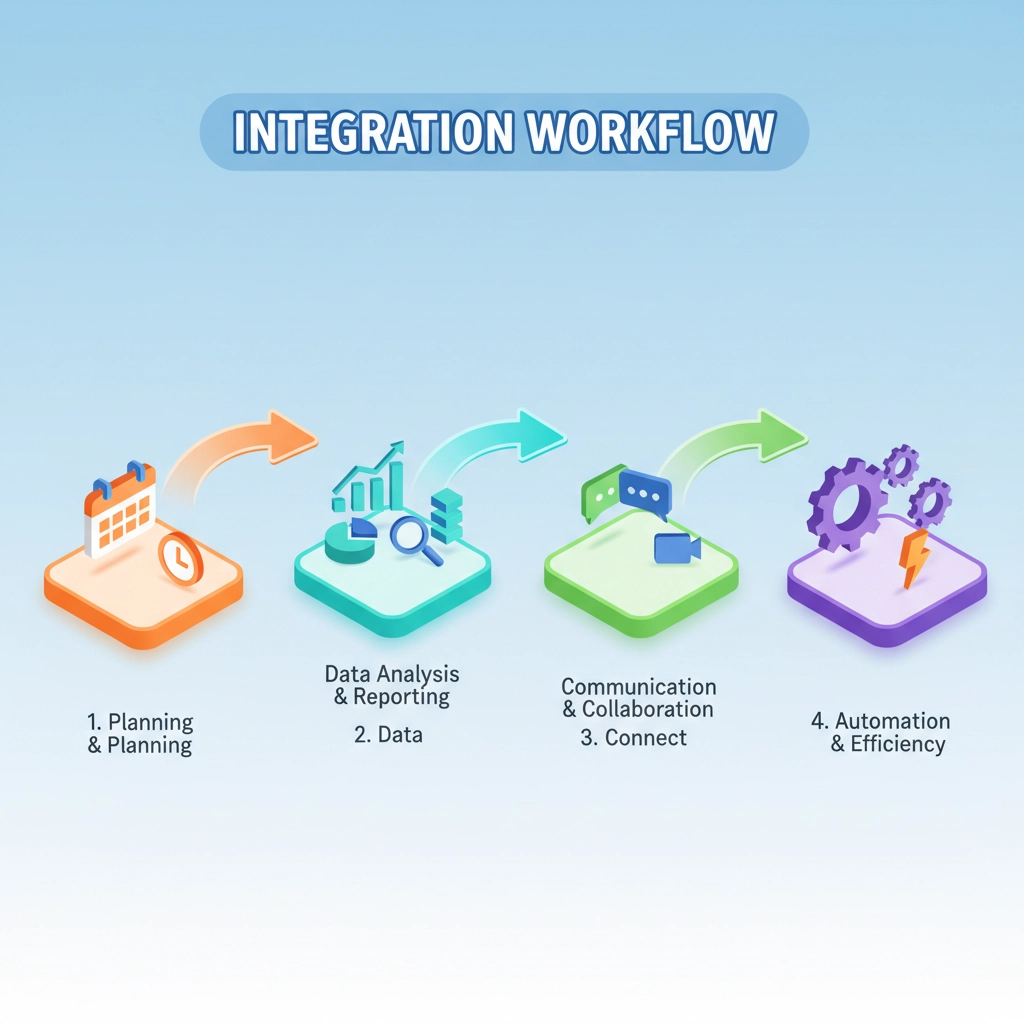
Once basic integration is established, focus on creating automated workflows that leverage your VA's capabilities while minimizing manual handoffs. This might involve setting up automated task assignments in your project management system, creating email filters that route specific inquiries to your VA, or establishing trigger-based workflows that notify your assistant when specific conditions are met in your CRM.
Phase 4: Performance Monitoring and Continuous Improvement
Establish metrics that measure both individual task completion and system integration effectiveness. Monitor response times, accuracy rates, and workflow efficiency. Regular review sessions help identify optimization opportunities and ensure your integration continues improving over time.
Common Integration Challenges and Strategic Solutions
Many businesses encounter predictable obstacles when integrating virtual assistants with existing systems. Understanding these challenges helps you prepare proactive solutions rather than reactive fixes.
Time Zone and Communication Alignment often creates coordination difficulties. Address this by establishing core collaboration hours where overlap exists, creating detailed handoff procedures for work that spans time zones, and using asynchronous communication tools effectively. Project management platforms with time-stamped updates become essential for maintaining continuity across different working hours.
Data Security and Access Control requires careful balance between providing necessary access and maintaining security protocols. Implement role-based access controls, regular access audits, and clear data handling procedures. Many successful integrations use temporary access tokens for sensitive systems and establish clear protocols for handling confidential information.
Cultural and Communication Style Differences can impact team cohesion if not addressed proactively. Invest time in cultural orientation sessions, establish clear communication preferences, and create feedback mechanisms that help identify and resolve misunderstandings quickly.
Best Practices for Long-Term Success
The most successful virtual assistant integrations evolve continuously rather than remaining static after initial setup. Automate your business with AI by leveraging your VA's growing understanding of your systems to identify additional automation opportunities.
Regular integration reviews should assess both technical performance and business impact. Are your systems working together more efficiently? Is your team spending less time on administrative tasks? Are customer response times improving? These metrics help justify integration investments and guide future optimization efforts.
Scalability planning ensures your integration framework can accommodate business growth. As your team expands or you add new systems, your virtual assistant integration should adapt seamlessly rather than requiring complete reconfiguration.
Transform Your Business Operations Today
Successful virtual assistant integration isn't about finding the perfect VA: it's about creating systems and processes that enable any qualified virtual assistant to contribute immediately and grow with your business. The companies achieving the biggest productivity gains understand that integration is an investment in operational excellence, not just cost reduction.
At Virtual Nexgen Solutions, we specialize in creating these seamless integrations that transform virtual assistants from external contractors into integral team members. Our AI automation experts work with you to assess your current systems, design custom integration solutions, and provide ongoing support that ensures long-term success.
Whether you need support for marketing operations, bookkeeping workflows, or real estate processes, our team has the experience and technical expertise to create integrations that amplify your business productivity.
Ready to discover how seamless virtual assistant integration can transform your operations? Schedule a free consultation with our integration specialists today. Let's build a virtual team that works as efficiently as your in-house staff while providing the flexibility and cost-effectiveness your business needs to thrive in 2025 and beyond.