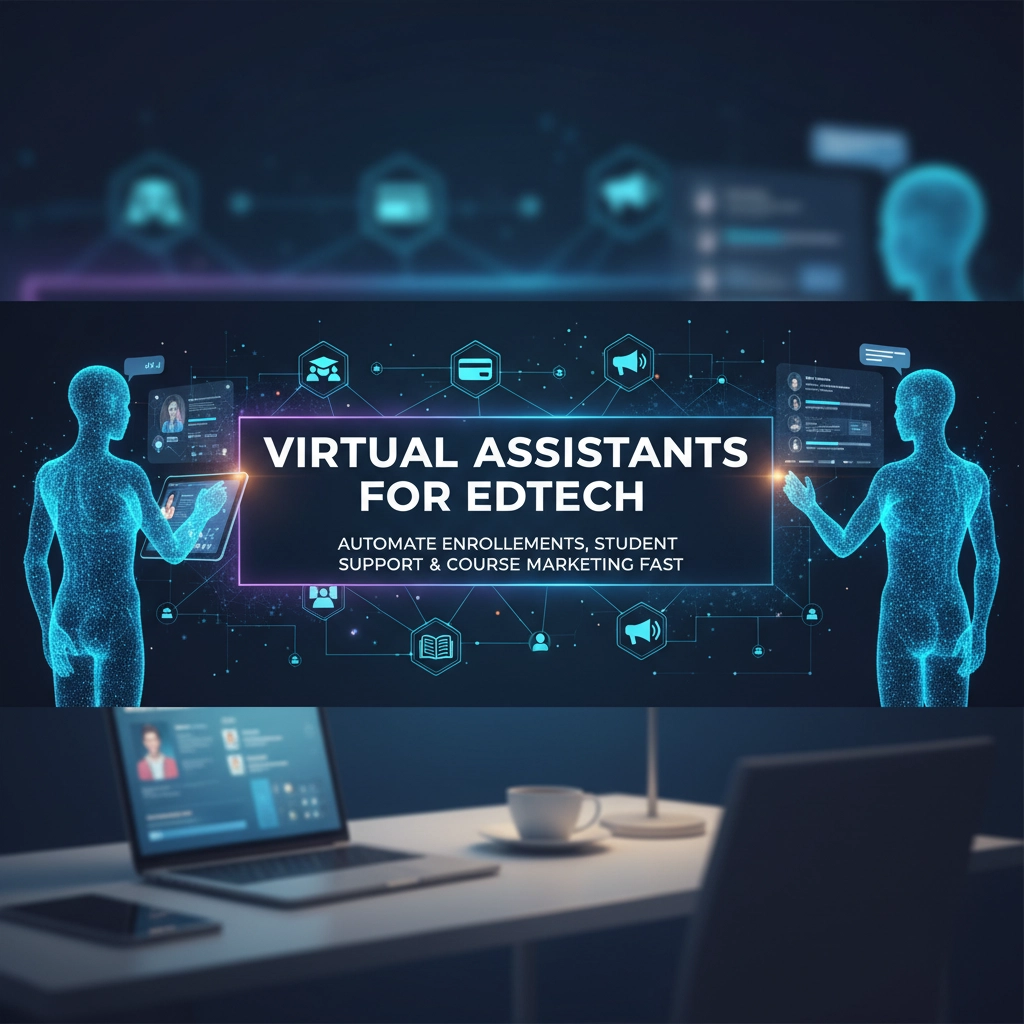
The EdTech industry is experiencing unprecedented growth, with online learning platforms processing millions of student interactions daily. Yet many educational institutions still struggle with manual enrollment processes, overwhelmed support teams, and inconsistent marketing efforts. What if there was a way to automate these critical functions while delivering superior student experiences?
Virtual assistants are revolutionizing how educational technology companies operate, transforming time-consuming manual tasks into streamlined, automated systems. From course sign-ups to student queries and marketing campaigns, AI automation services are helping EdTech platforms scale efficiently while maintaining personalized service quality.
Streamlining Course Enrollment and Registration
Automated Enrollment Processing
Traditional course enrollment often involves multiple steps: form completion, payment processing, account creation, and course access setup. Virtual assistants eliminate these bottlenecks by creating seamless, automated workflows that guide students through the entire process.

Key automation features include:
- Intelligent form completion: Pre-filling student information based on previous interactions
- Real-time payment processing: Instant enrollment confirmation and course access
- Automatic account setup: Creating student profiles, login credentials, and platform access
- Prerequisite verification: Ensuring students meet course requirements before enrollment
- Waitlist management: Automatically enrolling students when spots become available
A leading online certification provider saw a 340% increase in completed enrollments after implementing virtual assistant automation. The system reduced enrollment abandonment from 45% to just 8% by eliminating friction points and providing instant support during the sign-up process.
Smart Course Recommendations
Virtual assistants analyze student data, learning history, and career goals to suggest relevant courses. This personalized approach increases enrollment rates while ensuring students find programs that match their objectives.
The recommendation engine considers:
- Previous course completions and grades
- Industry trends and skill demands
- Learning pace and preferred formats
- Career aspirations and current role requirements
Revolutionizing Student Support Services
24/7 Instant Assistance
One of the most transformative capabilities of dedicated virtual assistants for businesses in EdTech is providing round-the-clock student support. Unlike traditional help desks with limited hours, AI-powered assistants offer immediate assistance whenever students need help.

Support capabilities include:
- Technical troubleshooting: Resolving login issues, platform navigation, and software problems
- Academic guidance: Answering questions about assignments, deadlines, and course content
- Administrative support: Handling schedule changes, certificate requests, and account updates
- Progress tracking: Providing real-time updates on course completion and performance metrics
Personalized Learning Pathways
Virtual assistants create customized learning experiences by analyzing individual student performance and adapting content delivery accordingly. This personalization ensures optimal learning outcomes while reducing dropout rates.
The system tracks:
- Learning speed and comprehension levels
- Preferred content formats (video, text, interactive)
- Peak engagement times and study patterns
- Areas requiring additional support or practice
A prominent language learning platform reported a 65% improvement in course completion rates after implementing personalized virtual assistant support, with students showing significantly higher engagement levels.
Automating Course Marketing and Lead Generation
Intelligent Lead Qualification
Virtual assistants transform how EdTech companies identify and nurture potential students. By engaging website visitors through chatbots and interactive tools, they qualify leads before passing them to human sales teams.

Marketing automation features:
- Behavioral tracking: Monitoring website interactions to identify interested prospects
- Dynamic content delivery: Presenting relevant course information based on visitor interests
- Automated follow-up sequences: Sending personalized emails and course recommendations
- Social media engagement: Responding to comments and messages across platforms
- Event promotion: Managing webinar registrations and workshop sign-ups
Data-Driven Campaign Optimization
Virtual assistants continuously analyze marketing performance, automatically adjusting campaigns for maximum ROI. This includes A/B testing different messages, optimizing ad spend allocation, and identifying the most effective conversion paths.
Implementation Best Practices for EdTech Success
Integration with Learning Management Systems
Successful virtual assistant implementation requires seamless integration with existing educational platforms. This ensures data consistency and provides students with unified experiences across all touchpoints.
Critical integration points:
- Student information systems (SIS)
- Learning management systems (LMS)
- Payment processing platforms
- Communication tools and email systems
- Analytics and reporting dashboards
Maintaining Human Touch Points
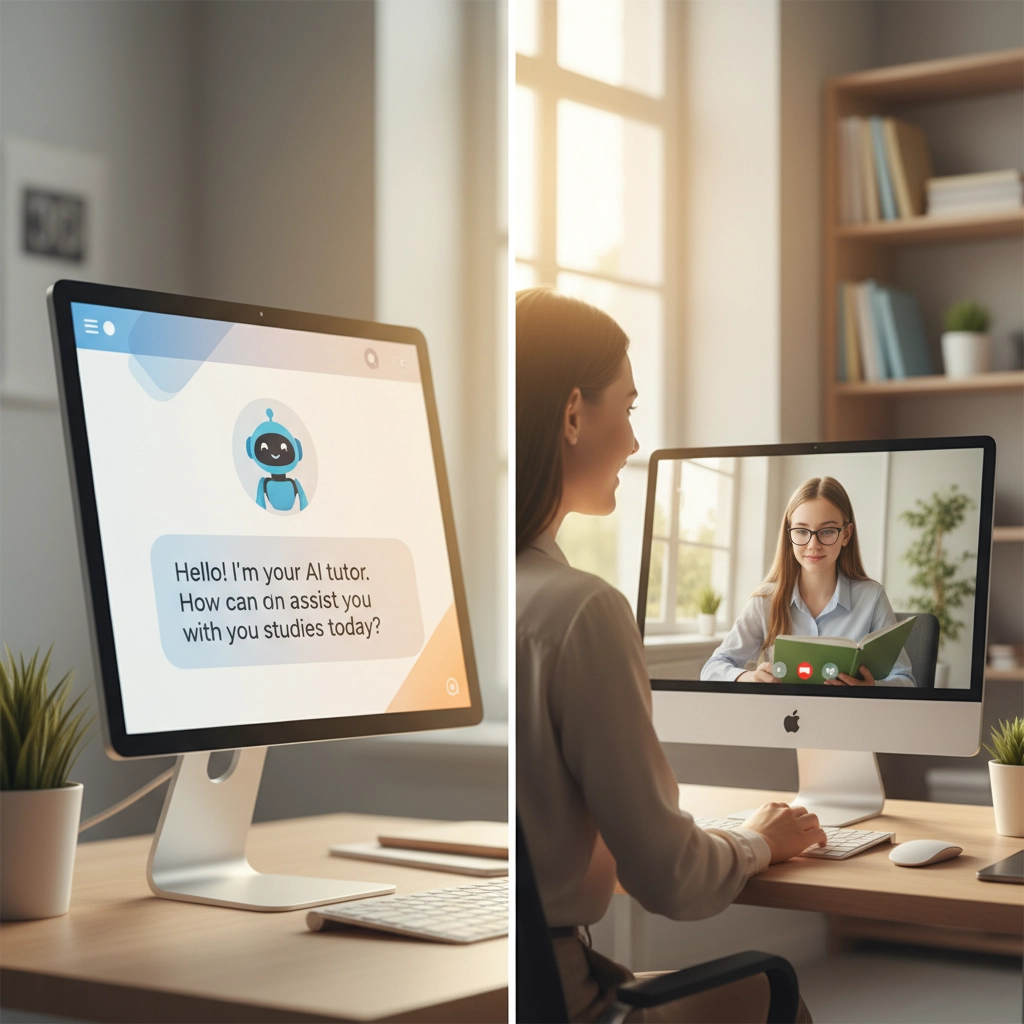
While automation handles routine tasks, maintaining human connections remains crucial for complex issues and relationship building. The key is identifying when to escalate conversations from virtual assistants to human support teams.
Escalation triggers include:
- Emotional distress or frustration indicators
- Complex technical issues requiring specialist knowledge
- Financial aid or scholarship discussions
- Complaints or negative feedback situations
Measuring Success and ROI
Key Performance Indicators
EdTech companies using virtual assistant automation typically track several metrics to measure success:
- Enrollment conversion rates: Percentage of visitors who complete course registration
- Support response times: Average time to resolve student inquiries
- Student satisfaction scores: Feedback ratings for support interactions
- Cost per acquisition: Marketing efficiency in attracting new students
- Course completion rates: Impact of personalized support on student success
Expected Returns on Investment
Organizations implementing comprehensive virtual assistant solutions typically see:
- 40-60% reduction in support costs
- 25-35% increase in enrollment conversions
- 50-70% improvement in response times
- 20-30% boost in student satisfaction scores
Why Choose Professional Virtual Assistant Services
Implementing effective virtual assistant automation requires expertise in both educational technology and AI development. Many EdTech companies struggle with in-house implementation due to resource constraints and technical complexity.
Virtual Nexgen Solutions specializes in creating customized virtual assistant systems for educational platforms. Our team understands the unique challenges facing EdTech companies and delivers solutions that drive measurable results.

Our Virtual Assistant & AI Automation Services include:
- Custom chatbot development for student support
- Automated enrollment and registration systems
- Marketing automation and lead nurturing workflows
- Integration with existing educational platforms
- Ongoing optimization and performance monitoring
We've helped dozens of EdTech companies transform their operations, resulting in higher enrollment rates, improved student satisfaction, and reduced operational costs. Our clients typically see significant improvements within the first 30 days of implementation.
The Future of EdTech Automation
As artificial intelligence continues advancing, virtual assistants will become even more sophisticated in understanding student needs and delivering personalized experiences. The companies that embrace these technologies now will have significant competitive advantages as the industry evolves.
Virtual assistants represent more than just automation tools: they're strategic assets that enable EdTech companies to scale efficiently while maintaining high-quality educational experiences. The question isn't whether to implement virtual assistant technology, but how quickly you can get started.
Ready to transform your EdTech platform with intelligent automation? Schedule a free consultation with Virtual Nexgen Solutions to discover how our virtual assistant services can streamline your operations and accelerate growth. Visit virtualnexgen.com to learn more about our comprehensive AI automation solutions designed specifically for educational technology companies.