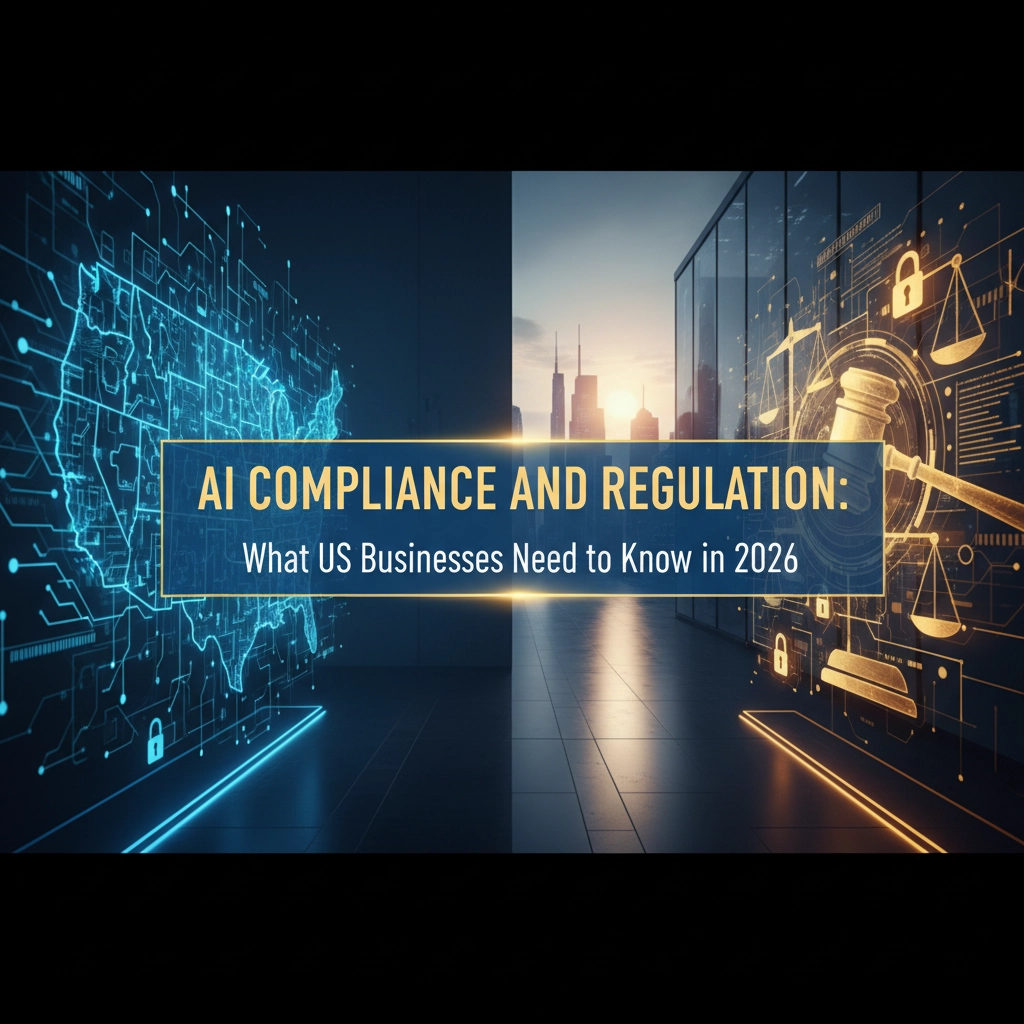
The AI regulatory landscape is rapidly evolving, and 2026 marks a pivotal year for US businesses. With California leading an aggressive push for AI governance and multiple states implementing their own frameworks, companies face a complex patchwork of compliance requirements that could make or break their operations.
If you're running a business that uses AI: whether for customer service, marketing automation, or hiring: the rules of the game are changing fast. Here's what you need to know to stay compliant and avoid costly penalties.
California Sets the Gold Standard (Whether You Like It or Not)
California isn't just asking nicely: they're demanding transparency, accountability, and strict compliance from any business using AI technology. Starting January 1, 2026, multiple laws take effect that will fundamentally reshape how companies operate.
Data Breach Notifications Just Got Tighter
Under SB 446, businesses now have just 30 calendar days to notify consumers of data breaches. This isn't a suggestion: it's the law. For companies that automate your business with AI, this means your incident response protocols need to be lightning-fast. No more dragging your feet when something goes wrong.

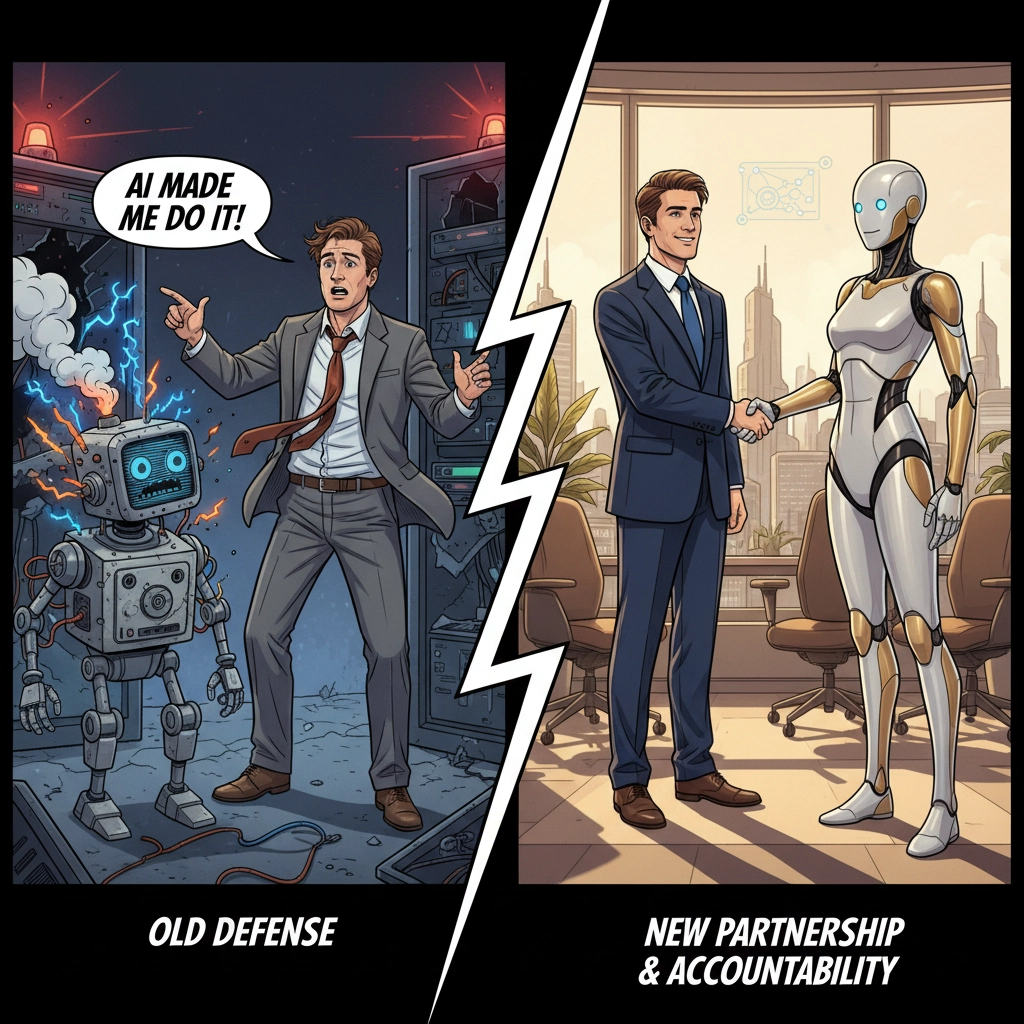
Say Goodbye to the "AI Made Me Do It" Defense
Here's the big one: AB 316 eliminates your ability to blame AI when things go south. You can't claim your AI system acted independently anymore. If your automated customer service bot discriminates against customers or your AI hiring tool shows bias, you're on the hook: period.
This is where partnering with AI automation experts for businesses becomes crucial. Companies like Virtual Nexgen Solutions understand these liability implications and can help you implement AI systems that are both powerful and compliant.
Frontier AI Transparency Requirements
If you're developing cutting-edge AI systems (think models trained with massive computing power), SB 53 requires you to publicly disclose how you're mitigating "catastrophic risks." Plus, any critical safety incidents must be reported to California's Office of Emergency Services.
The Employment AI Minefield
Hiring and employment decisions involving AI are getting heavily regulated across multiple states. Here's the breakdown:
Colorado Goes All-In
Colorado's Artificial Intelligence Act (CAIA) takes effect June 30, 2026, and it's comprehensive. If you use AI in hiring, firing, or promotion decisions, you're classified as a "Deployer" and your AI system is considered "High-Risk."
The requirements include:
- Annual impact assessments to prevent algorithmic discrimination
- Clear notice to job candidates when AI is used
- Human review options for AI decisions
- 90-day reporting of any discovered discrimination
- Four-year data retention requirements
Texas Takes a Softer Approach
Texas's Responsible AI Governance Act (TRAIGA) is more business-friendly. It only prohibits intentional AI discrimination and gives companies a 60-day notice and cure period for violations. No mandatory audits or impact assessments required.
Illinois and Other States Join the Party
Illinois amended its Human Rights Act to prohibit AI systems that result in discriminatory outcomes: even unintentionally. Similar requirements are rolling out across multiple states, creating a complex compliance web for multi-state businesses.
The Federal Wild Card
Here's where it gets interesting: there's no comprehensive federal AI law yet, but the White House is considering an Executive Order that could preempt state regulations. This creates uncertainty: do you comply with strict state laws knowing they might be overridden, or wait for federal guidance that might never come?
Our recommendation? Plan for the strictest requirements. It's better to over-comply than face penalties later.
What This Means for Your Business
If You're Using AI for Customer Service
Your chatbots and virtual assistants need clear disclosure when customers might think they're talking to humans. Under California's SB 243, companion chatbot platforms must remind users every three hours that they're not human.
This is where a dedicated virtual assistant for businesses approach shines. Virtual Nexgen Solutions provides human-AI hybrid support that clearly identifies when AI assistance is being used, keeping you compliant while delivering exceptional customer service.

If You're Automating Marketing and Sales
AI-generated content detection is coming. California's AB 853 requires platforms to detect AI-generated content and implement authentication markers. Your marketing automation needs to be transparent about AI involvement.
If You're Using AI for Hiring
Get ready for serious compliance work. Document everything, implement bias testing, provide human review options, and be prepared to report discrimination incidents within 90 days.
Your 2026 Compliance Roadmap
Immediate Actions (Q1 2026)
Audit Your AI Systems: Identify every AI tool, algorithm, or automated system you're using. Document their purposes, data sources, and decision-making processes.
Review Data Practices: Ensure you can detect and report breaches within 30 days. Update your incident response procedures immediately.
Employment AI Assessment: If you use AI in hiring or employment decisions, implement the most stringent requirements (Colorado's standards) to ensure multi-state compliance.
Ongoing Requirements
Documentation Everything: Keep detailed records of AI system inputs, outputs, and any bias testing results. This documentation could save you from costly legal battles.
Vendor Management: Take responsibility for third-party AI tools. Your vendors' compliance failures become your compliance failures.
Regular Training: Keep your team updated on evolving regulations. AI compliance isn't a one-time setup: it's an ongoing process.

The Smart Business Response
Rather than viewing these regulations as obstacles, smart businesses are treating them as competitive advantages. Companies that get ahead of compliance requirements build trust with customers and employees while positioning themselves for long-term success.
This is exactly why many businesses are partnering with specialized AI automation experts. Virtual Nexgen Solutions helps companies navigate this complex landscape while implementing powerful AI solutions that drive growth without regulatory headaches.
Our team understands the nuances of multi-state compliance and can help you implement AI systems that are both effective and regulation-ready. From customer service automation to marketing AI and administrative support, we ensure your AI initiatives enhance your business without creating legal risks.
Looking Ahead: What 2026 Really Means
The AI regulatory landscape of 2026 represents a fundamental shift. The Wild West days of AI implementation are over. Companies that adapt quickly and implement robust compliance frameworks will thrive. Those that ignore these changes risk significant penalties and competitive disadvantages.
The key is working with partners who understand both the technology and the regulatory requirements. That's where Virtual Nexgen Solutions excels: we combine cutting-edge AI automation with deep compliance expertise to help businesses succeed in this new environment.
Ready to ensure your AI initiatives are both powerful and compliant? Don't wait until regulations catch you off guard. Schedule a consultation with our team to discuss how we can help you navigate the complex world of AI compliance while driving real business results.
Book your free 30-minute consultation today and discover how Virtual Nexgen Solutions can transform your business operations while keeping you ahead of regulatory requirements. Your future self will thank you for taking action now rather than scrambling later.

The future of business is AI-powered, but it's also AI-regulated. Make sure you're on the right side of both trends.