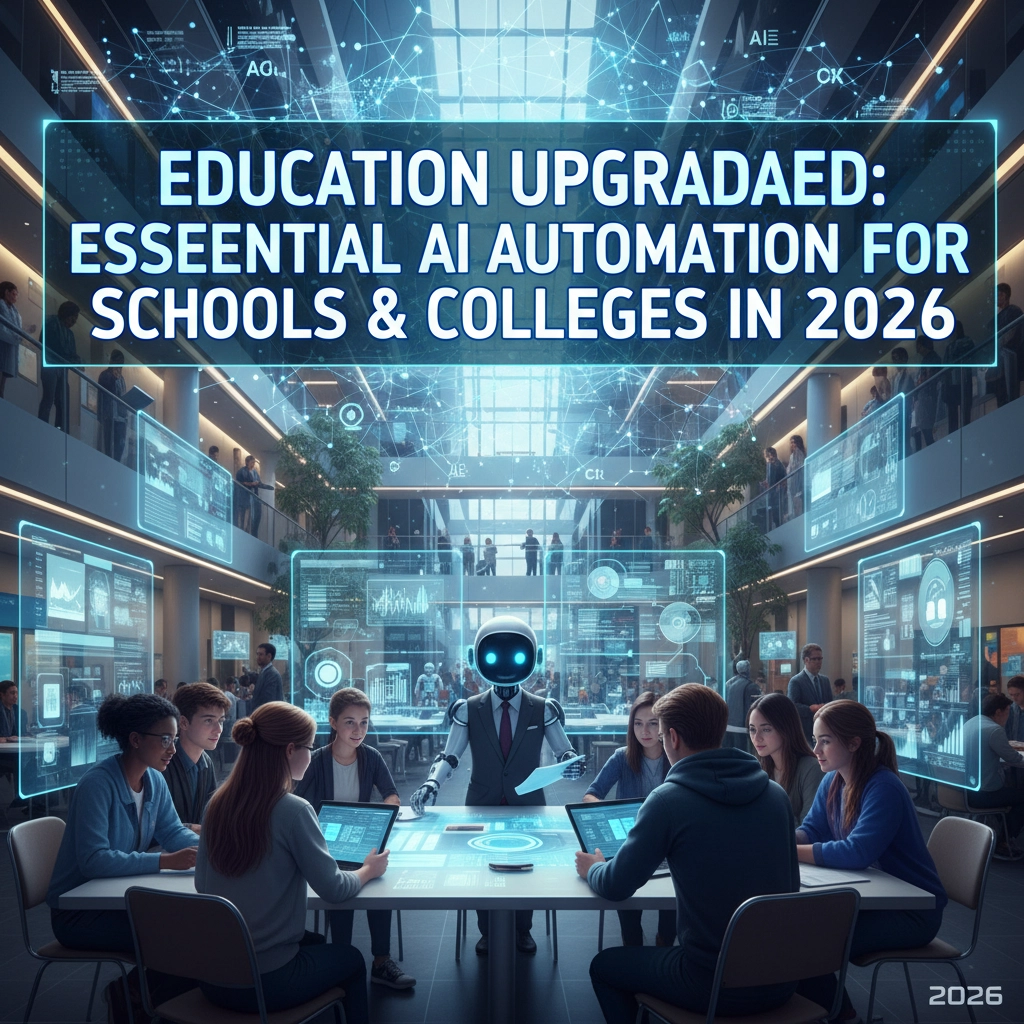
The education sector is experiencing a revolutionary transformation as AI automation reshapes how schools and colleges operate in 2026. With over 80% of enterprises expected to use AI-enabled eLearning by 2025, educational institutions are no longer asking if they should adopt AI automation, but how quickly they can implement it effectively.
From streamlining administrative tasks to personalizing learning experiences, AI automation is proving essential for educational institutions that want to stay competitive while improving student outcomes. Let's explore the specific tasks that can be automated, the tools available, and step-by-step processes to get started.
Why Education Desperately Needs AI Automation
Educational institutions face mounting pressure from multiple directions: increasing enrollment, shrinking budgets, teacher shortages, and rising expectations for personalized learning. Traditional manual processes simply can't keep pace with modern demands.
The numbers speak for themselves: AI-driven personalization increases student engagement by up to 60% and improves course completion rates by 25-40%. Meanwhile, teachers spend nearly 40% of their time on administrative tasks that could be automated, leaving less time for actual teaching and student interaction.

Top Automatable Tasks in Educational Institutions
1. Automated Grading and Assessment
What Can Be Automated:
- Multiple choice and short answer tests
- Essay scoring with rubric-based evaluation
- Assignment feedback generation
- Progress tracking and reporting
Best Tools:
- Gradescope for automated assignment grading
- Turnitin Feedback Studio for essay evaluation
- Canvas SpeedGrader for streamlined grading workflows
Step-by-Step Implementation:
- Setup Phase: Install your chosen grading platform and integrate it with your Learning Management System (LMS)
- Content Upload: Import existing assignments and create scoring rubrics
- Training: Spend 2-3 hours training the AI on your specific grading criteria
- Pilot Test: Run a small batch of 20-30 assignments to fine-tune accuracy
- Full Deployment: Roll out to all courses, monitoring accuracy weekly
- Optimization: Adjust parameters based on teacher feedback and student performance data
Expected Results: 70% reduction in grading time, consistent scoring across all submissions, and immediate feedback for students.
2. Student Enrollment and Admission Processing
What Can Be Automated:
- Application screening and initial evaluation
- Document verification and processing
- Interview scheduling coordination
- Acceptance letter generation and distribution
Best Tools:
- Slate by Technolutions for comprehensive admissions management
- ApplyBoard for international student processing
- Chatbots like Drift for initial inquiry handling
Step-by-Step Implementation:
- Data Integration: Connect all application sources to a central database
- Criteria Setting: Define automated screening criteria for different programs
- Workflow Creation: Set up approval chains and notification systems
- Testing: Process 50-100 test applications to verify accuracy
- Staff Training: Train admission staff on new processes and override procedures
- Launch: Begin processing new applications with 24/7 monitoring for first month
Expected Results: 60% faster processing times, reduced human error, and improved applicant experience.
3. Personalized Learning Path Creation
What Can Be Automated:
- Individual learning plan generation
- Content recommendation based on performance
- Study schedule optimization
- Resource allocation and assignment
Best Tools:
- Knewton for adaptive learning platforms
- Carnegie Learning for math-focused personalization
- DreamBox for elementary education customization
Step-by-Step Implementation:
- Baseline Assessment: Implement diagnostic tests for all students
- Platform Setup: Install and configure personalized learning software
- Content Mapping: Align curriculum standards with platform capabilities
- Algorithm Training: Feed 6 months of historical student performance data
- Pilot Program: Start with one course or grade level
- Scale Up: Expand to additional subjects based on pilot success metrics
Expected Results: 25-40% improvement in course completion rates and increased student engagement.

Industry-Specific Benefits for Educational Institutions
K-12 Schools
Primary and secondary schools benefit most from AI automation in:
- Attendance Tracking: Automated systems reduce administrative burden by 80%
- Parent Communication: Chatbots handle 70% of routine parent inquiries
- Individualized Education Programs (IEPs): AI helps create and monitor special needs accommodations
Universities and Colleges
Higher education institutions see the greatest impact in:
- Research Administration: Grant application processing becomes 3x faster
- Course Scheduling: AI optimizes room utilization and minimizes conflicts
- Alumni Engagement: Automated outreach increases donation rates by 35%
Online Learning Platforms
Digital education providers excel with:
- Content Curation: AI matches learners with relevant materials instantly
- Completion Rate Optimization: Predictive analytics identify at-risk students early
- Scalable Assessment: Automated proctoring enables secure remote testing
Advanced AI Applications for 2026
Agentic AI Systems
Moving beyond simple automation, agentic AI creates context-aware, human-like learning experiences. These systems don't just follow programmed rules: they adapt and learn from each interaction.
Implementation Focus Areas:
- Intelligent tutoring that adjusts teaching style in real-time
- Administrative assistants that handle complex policy questions
- Career counseling bots that provide personalized guidance
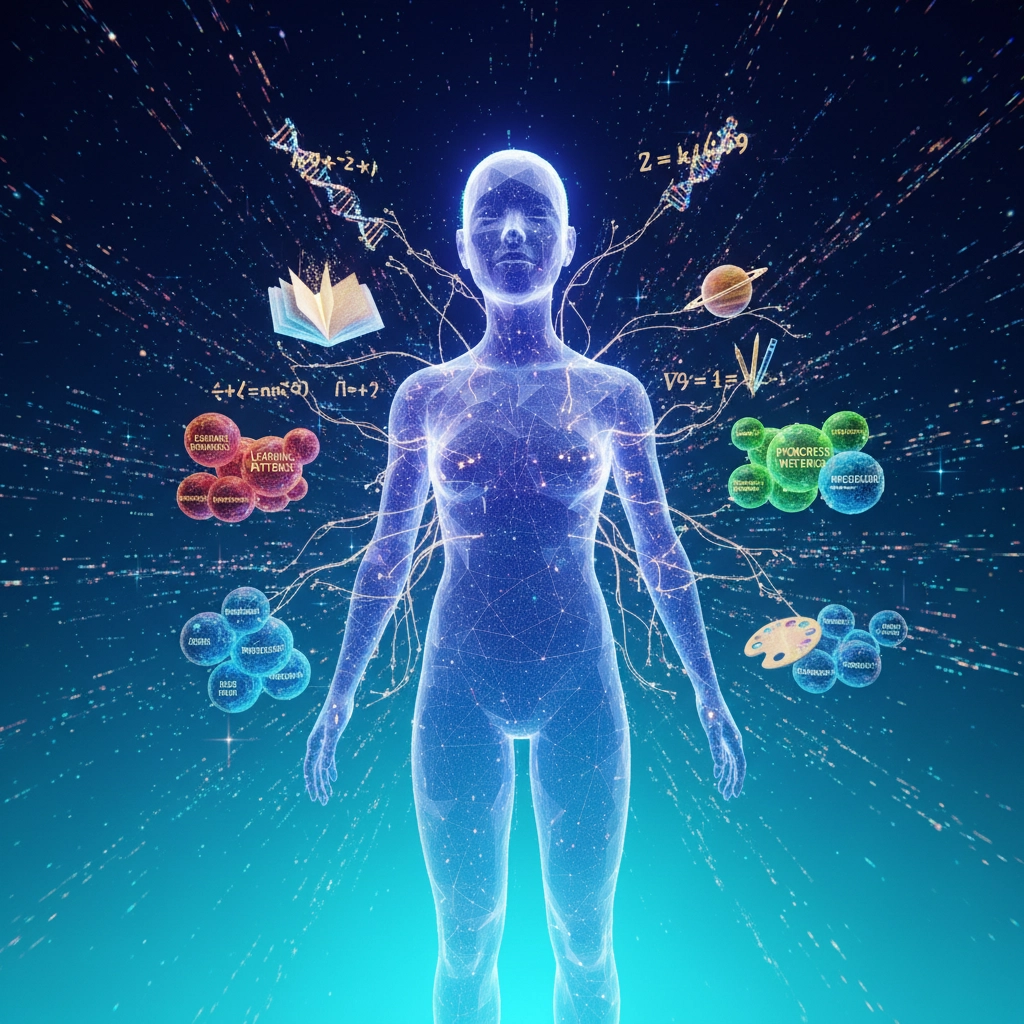
Digital Twin Technology
Digital twins create AI models that mirror individual learner characteristics, enabling unprecedented personalization at scale. Each student gets a virtual learning profile that evolves with their progress.
Implementation Challenges and Solutions
Data Privacy and Security
Educational institutions handle sensitive student information, making data protection crucial. Implement these safeguards:
- Encryption: All data must be encrypted both in transit and at rest
- Access Controls: Role-based permissions ensure only authorized staff access student data
- Compliance: Regular audits ensure adherence to FERPA, GDPR, and local regulations
Teacher Training and Adoption
Success depends on educator buy-in and competency. Address this through:
- Gradual Implementation: Start with simple tools before introducing complex systems
- Ongoing Support: Provide 24/7 technical support during transition periods
- Success Metrics: Share concrete data showing time savings and improved outcomes
Technology Infrastructure
Many educational institutions lack robust IT infrastructure. Key upgrades include:
- High-Speed Internet: Minimum 1GB connectivity for seamless AI operation
- Cloud Migration: Move to scalable cloud platforms for flexibility
- Device Standardization: Ensure all staff have compatible hardware
Measuring Success: Key Performance Indicators
Track these metrics to evaluate AI automation effectiveness:
- Administrative Time Savings: Target 50% reduction in routine tasks
- Student Engagement: Monitor increases in participation and assignment completion
- Cost Reduction: Calculate savings from automated processes
- Academic Outcomes: Track improvements in test scores and graduation rates
- Teacher Satisfaction: Survey staff on work-life balance improvements
Getting Started with AI Automation in Education
The key to successful AI implementation lies in choosing the right partner who understands both technology and educational needs. At Virtual Nexgen Solutions, we specialize in helping educational institutions navigate their AI automation journey with tailored solutions that respect the unique challenges of the education sector.
Our education-focused AI automation services include custom implementation planning, staff training programs, and ongoing technical support to ensure your institution maximizes the benefits of AI technology while maintaining the human touch that makes education meaningful.
Ready to transform your educational institution with AI automation? The future of education is here, and institutions that act now will have a significant competitive advantage. Book a free consultation with our education AI specialists to discover how Virtual Nexgen Solutions can help your school or college implement these game-changing technologies.
Schedule your free 30-minute strategy session today and join the educational institutions that are already experiencing the transformative power of AI automation.
Don't let your institution fall behind in 2026: the time to automate is now. Visit Virtual Nexgen Solutions to learn more about our comprehensive AI automation services designed specifically for educational institutions.