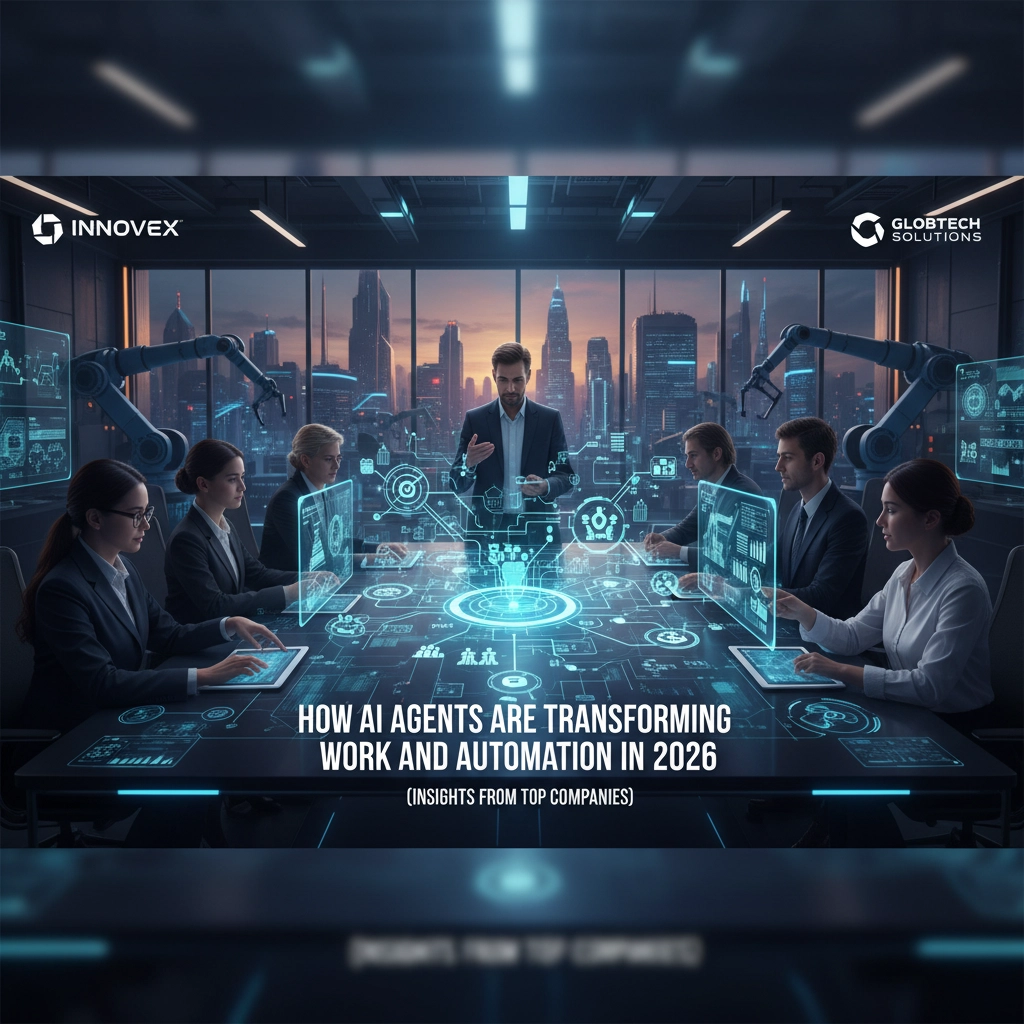
The business world is witnessing a seismic shift. AI agents are no longer just futuristic concepts: they're actively reshaping how companies operate, make decisions, and serve customers. In 2026, we're seeing the transition from experimental AI pilots to full-scale autonomous systems that handle complex workflows without constant human oversight.
For small and mid-sized businesses, this transformation presents both unprecedented opportunities and critical decisions. The question isn't whether AI agents will impact your industry: it's how quickly you'll adapt to stay competitive.
From Task Automation to Intelligent Orchestration
Traditional automation handled single tasks: a chatbot answering FAQs or software processing invoices. Today's AI agents orchestrate entire business processes. They coordinate multiple steps, adapt to real-time conditions, and make strategic decisions independently.
Take customer service as an example. Instead of just answering questions, modern AI agents can analyze customer history, identify issues, coordinate with different departments, schedule follow-ups, and even predict future needs: all while maintaining a personalized touch that builds customer loyalty.

This evolution is particularly powerful for businesses using integrated AI solutions like AI Email Managers that don't just sort messages but prioritize urgent items, draft contextual responses, and coordinate with sales teams to nurture leads automatically.
The New Business Operating Model
Leading companies are restructuring around AI capabilities. PwC research shows that 78% of executives acknowledge they must rethink their operating models to capture the full value of AI agents. This isn't just about technology: it's about reimagining how work gets done.
Smart businesses are creating new roles like "agent operations specialists" and "AI workflow coordinators." These positions focus on designing, monitoring, and optimizing AI agent performance across different business functions.
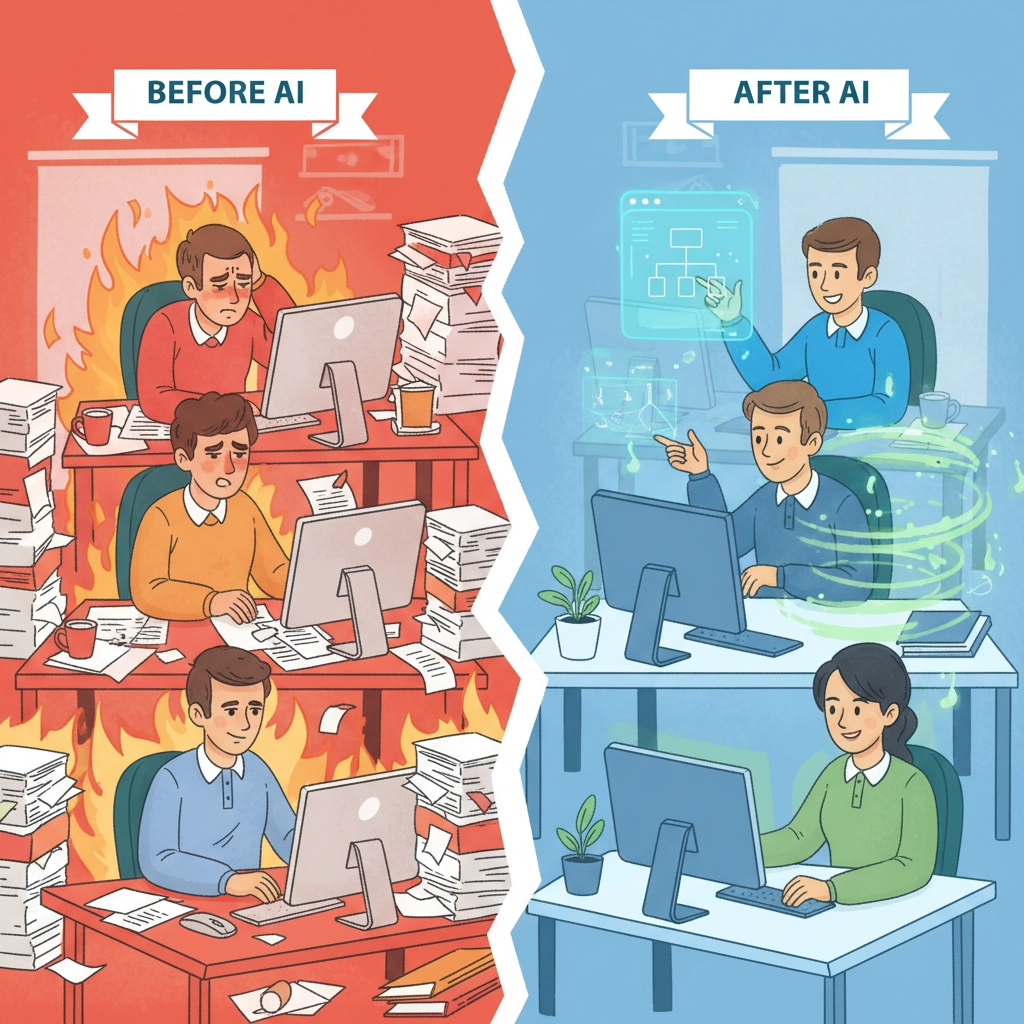
The most successful implementations combine human creativity with AI efficiency. Humans handle relationship building and complex problem-solving, while AI agents manage data-intensive processes, repetitive tasks, and exception handling.
Real-World Results: The Numbers Don't Lie
Companies implementing AI agents report impressive outcomes:
- 30-50% reduction in operational costs
- 15-25 hours saved per employee per week
- 95-99% accuracy in automated tasks (compared to 85-90% manual accuracy)
- 10-20% revenue increase within the first year
These aren't theoretical projections: they're happening now across industries. Manufacturing companies using predictive maintenance AI agents report 35% less downtime and 25% lower maintenance costs. Retail businesses see 20-30% conversion rate improvements through AI-powered personalization.

For service-based businesses, AI Social Media Managers demonstrate similar results by consistently creating and posting relevant content, engaging with audiences at optimal times, and analyzing performance to refine strategies: all while business owners focus on core operations.
Industry-Specific Transformations in 2026
Financial Services
Banks and insurance companies are deploying AI agents for complex compliance workflows, real-time fraud detection, and dynamic portfolio management. These agents process over $2 trillion in transactions annually with 40% better fraud detection rates than traditional methods.
Healthcare
Approximately 90% of hospitals are expected to use AI agents for patient scheduling, diagnostic assistance, and treatment planning. This addresses critical staffing shortages while improving patient outcomes.
Retail and E-commerce
Virtual agents resolve customer issues immediately while personalization systems optimize product recommendations and pricing strategies in real-time.
Professional Services
Law firms, accounting practices, and consulting companies use AI agents to automate research, draft documents, and manage client communications: freeing professionals to focus on high-value strategic work.
The Multi-Agent Revolution
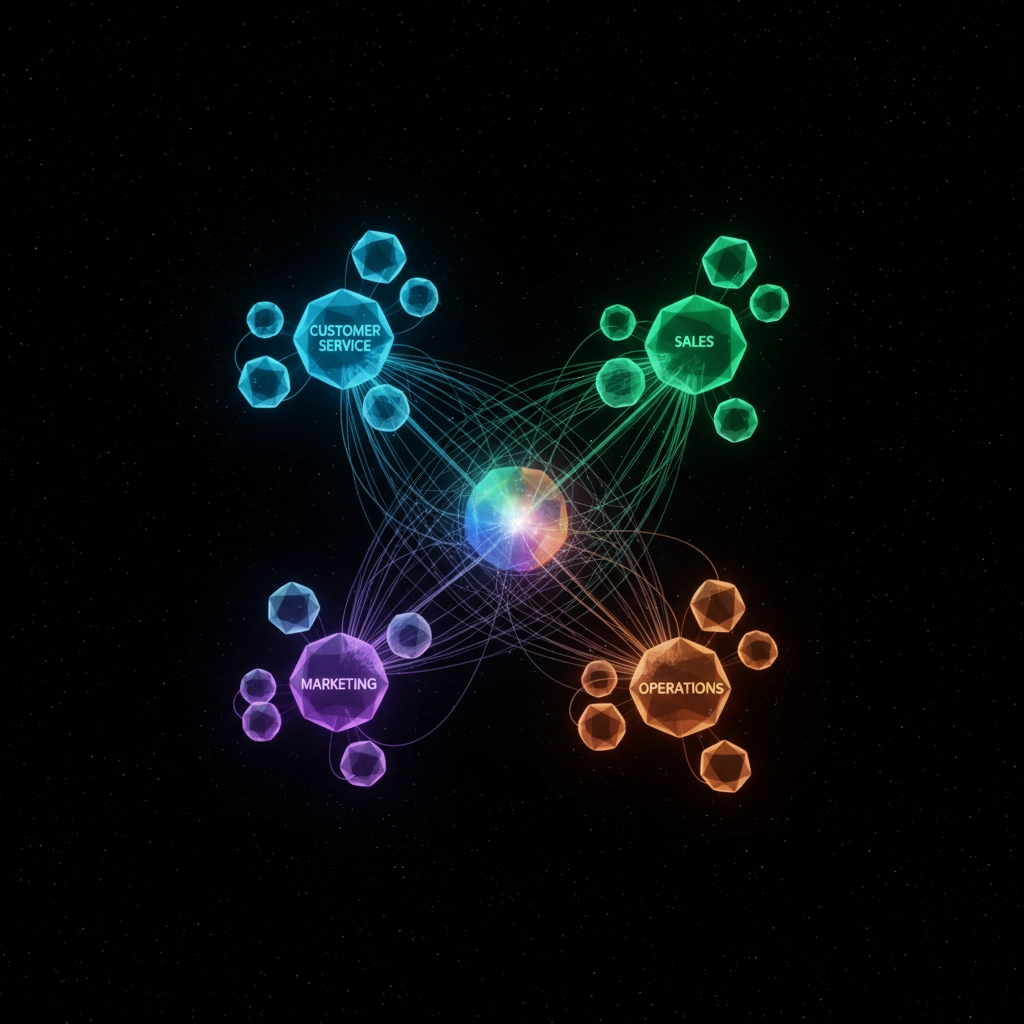
2026 marks the rise of multi-agent systems: teams of specialized AI agents working together. Rather than one general-purpose agent, businesses deploy coordinated specialists: one for customer service, another for inventory management, and others for marketing and sales coordination.
This approach mirrors how AI Blog Writers work alongside AI Sales Assistants. While the blog writer creates SEO-optimized content to attract prospects, the sales assistant identifies and nurtures leads through personalized email campaigns. Both agents share data and insights to create seamless customer journeys.
Overcoming Implementation Challenges
The biggest barrier to AI agent adoption isn't technology: it's organizational readiness. Successful companies focus on:
Data Quality: AI agents are only as good as the data they work with. Clean, organized data becomes the foundation for intelligent automation.
Process Optimization: Before deploying AI agents, smart businesses map and optimize their existing workflows. This ensures agents enhance efficiency rather than automate ineffective processes.
Human-AI Collaboration: The most successful implementations create clear boundaries between human and AI responsibilities, with humans handling exceptions and creative decisions.
Governance and Compliance: As AI agents become more autonomous, businesses need robust governance frameworks to ensure they operate within legal and ethical boundaries.
Why Small and Mid-Sized Businesses Have the Advantage
Large corporations often struggle with legacy systems and complex approval processes. Smaller businesses can implement AI agents faster and see results sooner. They can experiment with different approaches, adapt quickly, and build competitive advantages through agility.
The key is starting with focused implementations rather than trying to automate everything at once. Many successful businesses begin with Dedicated Virtual Assistants trained specifically for their operations, then gradually expand to include specialized AI agents for email management, social media, content creation, and sales.
The Virtual Nexgen Advantage
At Virtual Nexgen Solutions, we've seen firsthand how AI agents transform business operations. Our integrated approach combines human expertise with AI capabilities:
- Dedicated Virtual Assistant trained specifically for your business operations
- AI Email Manager that handles your inbox intelligently
- AI Social Media Manager creating and posting service content consistently
- AI Blog Writer publishing SEO-optimized articles automatically
- AI Sales Assistant reaching your target audience through personalized campaigns
This comprehensive approach ensures your AI agents work together seamlessly, creating compound benefits that go far beyond individual task automation.

Looking Ahead: The Future of Work
2026 represents a tipping point where AI agents move from supporting human workers to fundamentally redefining business operations. Companies that embrace this transformation now will build sustainable competitive advantages, while those that wait risk falling behind rapidly evolving market standards.
The businesses thriving in this new landscape share common characteristics: they view AI agents as strategic assets, invest in proper implementation, and maintain focus on human-AI collaboration rather than replacement.
Take Action Today
The AI agent revolution isn't coming: it's here. Forward-thinking businesses are already leveraging these technologies to reduce costs, improve efficiency, and enhance customer experiences.
Ready to discover how AI agents can transform your business operations? Visit Virtual Nexgen Solutions to learn more about our comprehensive AI-powered services designed specifically for small and mid-sized businesses.
Don't let your competitors gain an unfair advantage. Schedule a free 30-minute consultation to discuss how our AI agents can streamline your operations, boost productivity, and accelerate growth in 2026 and beyond.
The future of business automation is autonomous, intelligent, and available today. The question is: will your business be ready?