Insurance agencies face mounting pressure from regulatory bodies demanding transparency, accuracy, and comprehensive audit trails across every policy transaction, claims decision, and customer interaction. Manual compliance processes not only consume valuable staff time but also introduce human error risks that can result in costly violations and damaged reputations.
Enter n8n compliance automation: a game-changing approach that transforms tedious manual audits into streamlined, intelligent workflows that capture every compliance detail automatically while maintaining the security and governance standards insurance regulators demand.
The Compliance Challenge in Insurance Back Office Operations
Modern insurance agencies juggle multiple compliance frameworks simultaneously. State insurance regulations, federal guidelines, HIPAA requirements for health insurance, and SOC 2 security standards create a complex web of requirements that traditional manual processes struggle to address consistently.
The typical insurance back office spends 30-40% of administrative time on compliance-related tasks: gathering documentation for audits, validating policy changes against regulatory rules, tracking claims decisions for potential violations, and preparing regulatory filings. This manual approach creates bottlenecks that slow business operations while increasing the risk of oversight errors.

How n8n Transforms Insurance Compliance Audits
n8n's workflow automation platform creates an intelligent compliance layer across your entire insurance technology stack. By connecting policy administration systems, claims platforms, CRM tools, and compliance repositories, n8n captures every critical business action and automatically generates the audit trails regulators require.
Comprehensive Audit Trail Generation
Every workflow execution in n8n creates detailed logs capturing who performed actions, when they occurred, what data was processed, and which systems were involved. For insurance agencies, this means complete visibility into policy changes, underwriting decisions, claims adjudications, and customer communications: all documented automatically with timestamps and role-based accountability.
This automated documentation approach eliminates the scramble to reconstruct audit trails when regulators come calling. Instead of spending weeks gathering evidence from disconnected systems, agencies can provide comprehensive compliance records at the click of a button.
Real-Time Compliance Monitoring
Traditional compliance monitoring relies on periodic reviews that often catch violations after they've occurred. n8n's real-time processing capabilities enable immediate compliance validation as transactions happen, preventing violations before they impact your business.
The platform monitors claims patterns, policy changes, and underwriting decisions against predefined compliance rules, automatically flagging potential issues for human review. This proactive approach helps agencies identify and address compliance risks before they become regulatory violations.
Essential n8n Workflows for Insurance Compliance
Policy Documentation Automation
One of the most critical compliance areas involves ensuring all policy documents contain required disclosures and meet state-specific regulatory requirements. n8n automates the generation of policy documents, endorsements, and certificates with consistent formatting and accurate regulatory language.

The workflow validates that each document includes mandatory disclosures, applies appropriate state-specific requirements, and maintains version control for audit purposes. This automation prevents compliance gaps caused by missing documents or incomplete policy records while reducing the manual effort required for document preparation.
Claims Adjudication Compliance
Claims processing involves numerous compliance touchpoints, from initial intake through final settlement. n8n workflows automate compliance checks throughout the claims lifecycle, ensuring decisions follow prescribed guidelines and regulatory requirements.
The platform validates claims against coverage limits, applies appropriate investigation procedures for suspicious claims, and ensures settlement amounts comply with policy terms and state regulations. Every decision point generates audit-ready documentation showing how compliance rules influenced the final outcome.
Underwriting Rule Validation
Underwriting decisions must consistently follow approved guidelines and regulatory requirements across all policies. n8n automates the application of underwriting rules, ensuring that risk assessments, premium calculations, and coverage decisions align with company policies and regulatory standards.
AI agents embedded in workflows understand complex underwriting logic, risk factors, and regulatory requirements, automatically validating that each decision follows prescribed compliance frameworks. When exceptions occur, workflows flag them for human review rather than allowing non-compliant decisions to proceed.
Security and Data Governance Features
Insurance agencies handle sensitive personal and financial information requiring robust security controls. n8n implements enterprise-grade security features including encryption in transit and at rest, role-based access control, and SOC 2-aligned governance frameworks.

The platform can be deployed within your existing cloud infrastructure or Virtual Private Cloud (VPC) to meet internal security requirements while maintaining the flexibility to integrate with external systems. This approach ensures that sensitive policyholder information remains protected while workflows execute across connected platforms.
Multi-System Integration Capabilities
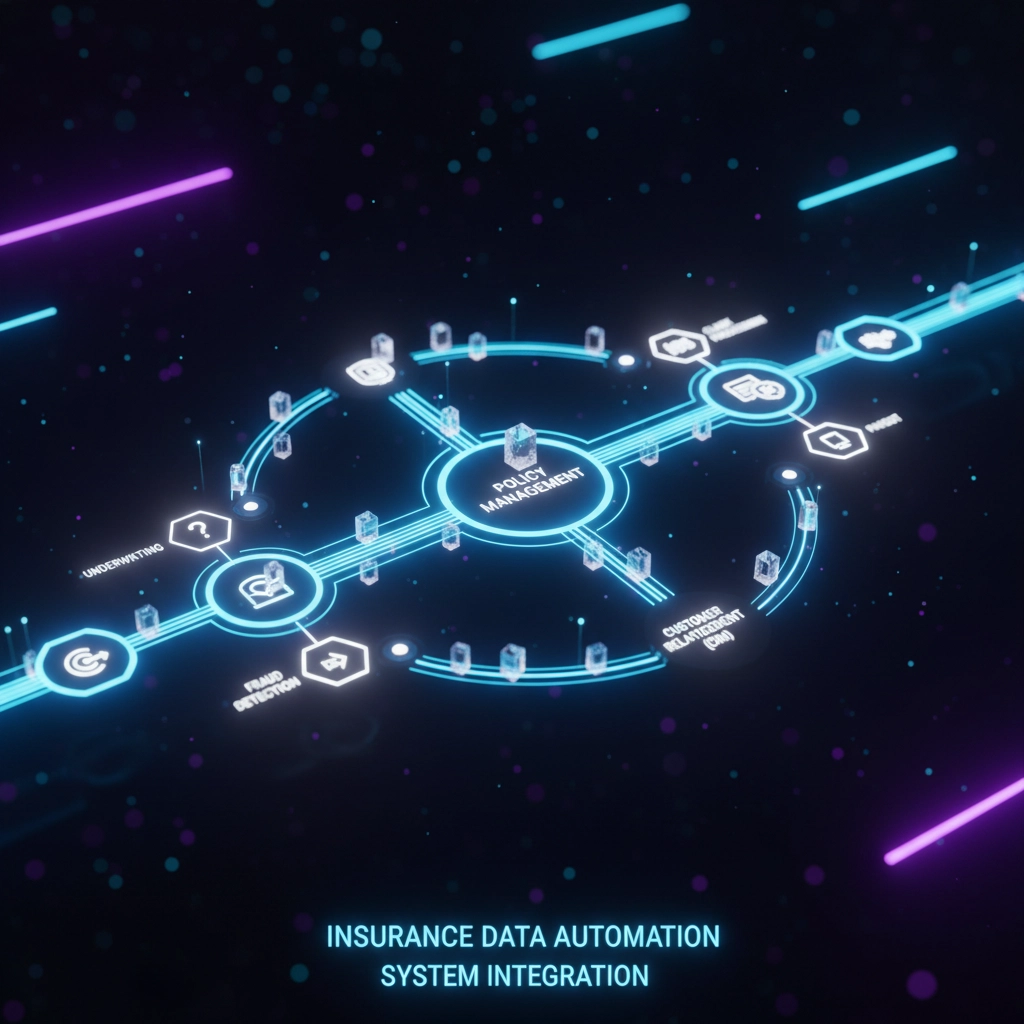
Insurance operations typically involve numerous specialized systems: policy administration platforms like Guidewire or Duck Creek, claims management systems, CRM tools like Salesforce, and various data warehouses and reporting platforms. n8n's extensive integration capabilities connect these disparate systems into unified compliance workflows.
This comprehensive integration means compliance monitoring encompasses your entire operational ecosystem rather than isolated systems, providing regulators with the holistic view they require during audits.
Implementation Guide for Insurance Agencies
Phase 1: Discovery and Planning
Begin with focused discovery sessions identifying high-impact compliance workflows that consume significant manual effort or pose the greatest regulatory risk. Common starting points include claims adjudication audits, policy change compliance tracking, and regulatory filing preparation.
Document current compliance processes, identify pain points, and establish success metrics for automation initiatives. This foundation ensures your n8n implementation addresses real business needs while delivering measurable value.
Phase 2: Pilot Workflow Development
Start with a single, well-defined compliance workflow to prove the concept and build internal expertise. Popular pilot workflows include automated policy document generation or claims compliance validation, as these deliver immediate value while being relatively straightforward to implement.
n8n's pre-built templates for insurance use cases can accelerate pilot development, enabling agencies to deploy production workflows within 2-4 weeks rather than months of custom development.
Phase 3: Expansion and Optimization
Once the pilot workflow demonstrates success, expand to additional compliance areas. Implement workflows for underwriting compliance, regulatory reporting, audit preparation, and customer communication compliance.
Focus on workflows that integrate multiple systems and involve complex business rules, as these deliver the highest ROI through automation. Continuously optimize workflows based on user feedback and changing regulatory requirements.
Measuring Compliance Automation Success
Insurance agencies implementing n8n compliance automation typically see significant improvements in audit efficiency and compliance consistency. One healthcare organization using n8n's logging capabilities reduced their HIPAA audit duration by 50%, saving weeks of staff effort while improving audit completeness.
Key performance indicators for insurance compliance automation include:
- Reduced time to prepare for regulatory audits
- Decreased compliance violation incidents
- Improved consistency in applying business rules
- Reduced manual effort for compliance documentation
- Faster response times to regulatory inquiries
Getting Started with Automated Compliance
The complexity of insurance compliance makes it essential to partner with experts who understand both the technical capabilities of n8n and the specific requirements of insurance regulations. Virtual Nexgen Solutions specializes in implementing AI automation workflows that transform insurance back office operations while maintaining strict compliance standards.
Our team helps insurance agencies identify the highest-impact compliance automation opportunities, develop custom workflows that integrate with existing systems, and establish governance frameworks that satisfy regulatory requirements. We've helped dozens of insurance agencies reduce compliance costs while improving accuracy and audit readiness.
Ready to transform your compliance processes from manual burden to automated advantage? Schedule a consultation with our AI automation experts to discover how n8n-powered workflows can streamline your insurance compliance operations while reducing risk and improving efficiency.
Visit Virtual Nexgen Solutions to learn more about our specialized insurance automation services and see how we're helping agencies across the country modernize their compliance operations with intelligent workflow automation.