As we head into 2026, artificial intelligence continues to transform how businesses operate across the United States. However, despite massive investments in AI technology, research shows that up to 80% of AI automation projects fail to deliver meaningful business value. Even more concerning, 95% of generative AI pilots at companies are falling short of expectations.
The problem isn't the technology itself: it's how organizations approach AI implementation. After analyzing hundreds of failed AI projects, we've identified the seven most critical mistakes businesses make when trying to automate your business with AI, and more importantly, how to fix them.
1. Automating Broken Processes Without Optimization
The Mistake That Kills ROI
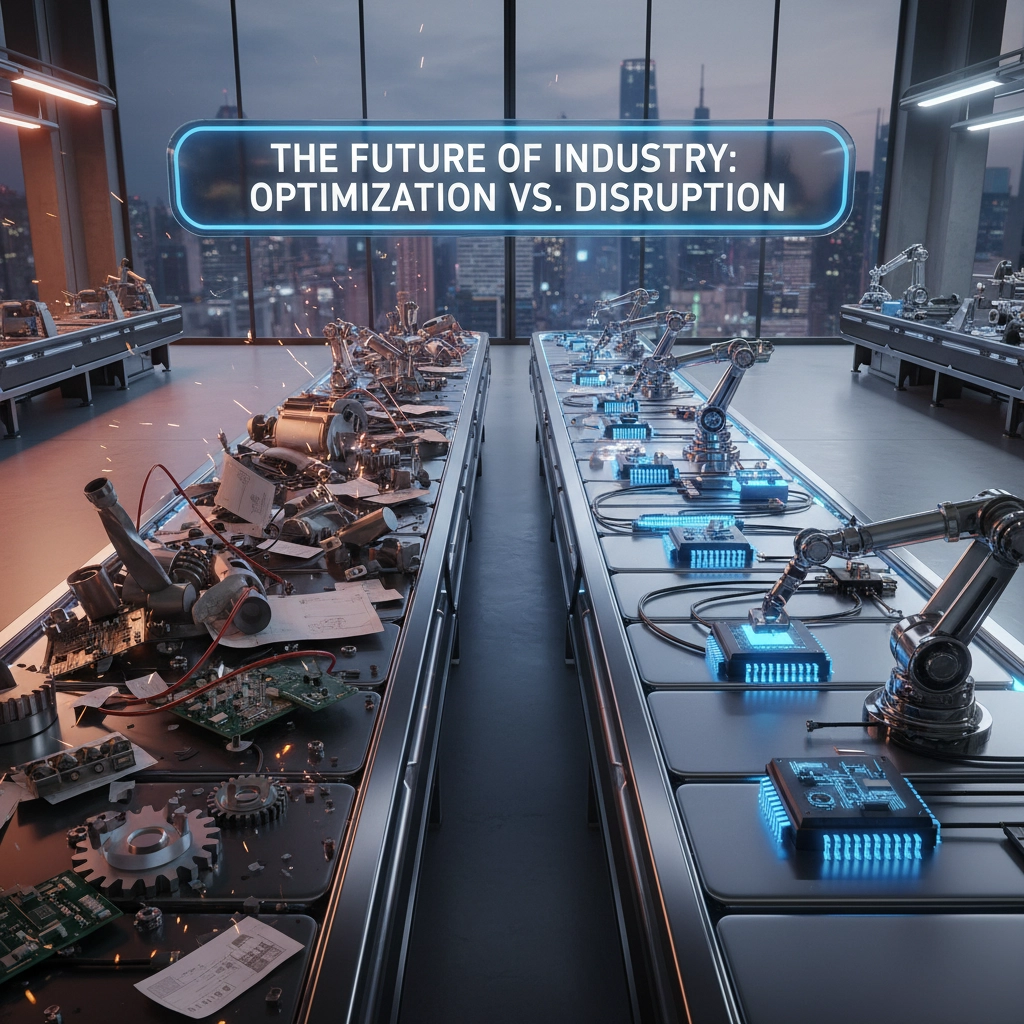
The biggest mistake we see is businesses rushing to automate processes that are already broken or poorly documented. When you automate a messy, inefficient workflow, you're simply making errors happen faster and at scale. This leads to more time spent fixing exceptions than benefiting from the automation.
The 2026 Solution
Before implementing any AI automation, take time to redesign your workflows. Map out each step, eliminate redundancies, and document procedures clearly. Only after a process is optimized and stable should you layer automation on top.
Action Steps:
- Conduct a thorough process audit
- Eliminate manual handoffs and redundant steps
- Create detailed documentation and standard operating procedures
- Test the optimized process manually before automating
This upfront discipline prevents costly rework and ensures your AI automation delivers real value from day one.
2. Ignoring Data Quality and Governance
Poor Data = Poor Results
AI systems are only as good as the data they're trained on. Messy, incomplete, outdated, or biased data leads to flawed predictions, poor decisions, and compliance risks. Data drift: when real-world patterns shift: can silently erode performance without warning.
Building a Solid Foundation
Invest in data cleaning and governance frameworks before scaling AI. Implement automated drift monitoring and retraining protocols. Establish data quality rules, audit logs, and systematic processes for updating training data.
Key Implementation Steps:
- Create a unified data architecture that breaks down silos
- Establish automated data quality monitoring
- Implement regular model retraining schedules
- Set up compliance and audit trails for all data usage
3. Overestimating AI Capabilities
The Hallucination Problem
Generative AI produces fluent, confident answers even when they're completely wrong. This "hallucination problem" leads to blind trust in outputs, resulting in compliance violations, customer-facing errors, and brand damage. Leaders often believe foundation models will solve everything, which sets unrealistic expectations.

Implementing Smart Safeguards
Establish human review gates for all critical outputs. Set confidence thresholds below which outputs require human verification. Don't treat AI as a replacement for human judgment: treat it as a tool that augments human decision-making.
Best Practices for 2026:
- Create approval workflows for AI-generated content
- Implement confidence scoring and threshold alerts
- Maintain domain expert oversight for critical decisions
- Regular accuracy testing and validation protocols
4. Lacking Clear Business Objectives
Starting with Technology Instead of Outcomes
Many organizations rush into AI pilots without defining what success looks like. ROI is assumed rather than calculated. Projects stall at proof-of-concept due to unclear business impact and poor planning.
Defining Success from the Start
Start with business outcomes, not technology. Define specific, measurable goals before selecting tools. Calculate total cost versus value at the pilot stage, including maintenance, retraining, and support costs.
Framework for Success:
- Define clear KPIs and success metrics
- Calculate full lifecycle costs upfront
- Focus on high-impact use cases with clear ROI potential
- Establish milestone checkpoints for evaluation
5. Poor Enterprise Integration and Scaling
The Generic Tool Trap
Organizations often test AI using generic tools like ChatGPT, but these tools fail at scale because they don't learn from or adapt to specific workflows. The issue is fundamentally about flawed enterprise integration: connecting tools to core business processes.

Building for Scale
Adopt workflow-specific tools rather than generic solutions for production environments. Build scalable infrastructure with API-first architecture and modular design. Ensure legacy system integration strategies are robust enough to handle real-time performance demands.
Technical Requirements:
- API-first architecture for seamless integration
- Modular design for easy scaling and updates
- Robust legacy system integration capabilities
- Real-time performance monitoring and optimization
6. Insufficient Employee Adoption and Training
The Human Factor
Automation fails when employees don't understand or trust it. Fear of job displacement and unclear role changes lead to low adoption rates and workarounds that undermine the entire initiative. Talent gaps prevent organizations from building proper foundations for AI success.
Investing in Your Team
Develop comprehensive training programs before deployment. Involve teams in the design process and clearly communicate how roles will evolve, not disappear. Provide incentives for adoption and create feedback loops so employees feel heard.
Change Management Strategies:
- Co-design AI solutions with end users
- Provide clear communication about role changes
- Offer comprehensive training and ongoing support
- Create incentive structures that reward adoption
7. Misaligned Resource Allocation
Following the Wrong Investment Patterns
More than half of generative AI budgets go to sales and marketing, yet back-office automation delivers the highest ROI. Leaders make savings assumptions without proving them, leading to board pushback and sunk costs.

Smart Resource Allocation for 2026
Conduct rigorous total cost-of-ownership analysis before committing resources. Measure value creation in pilots before scaling. Reallocate budgets based on where AI actually delivers ROI: often in process automation, compliance, and operational efficiency.
Investment Priorities:
- Focus on back-office automation for highest ROI
- Budget for ongoing maintenance and support
- Measure and validate value creation before scaling
- Align resource allocation with proven business impact
The Virtual Nexgen Solutions Advantage
As AI automation experts for businesses, Virtual Nexgen Solutions has helped hundreds of companies avoid these costly mistakes. Our systematic approach ensures your AI implementation delivers real business value from day one.
We specialize in:
- Strategic AI implementation planning
- Process optimization before automation
- Data governance and quality management
- Employee training and change management
- Ongoing support and optimization
Ready to automate your business with AI the right way? Our team of experts can help you navigate these challenges and build a successful AI automation strategy for 2026.
Book a free 30-minute consultation to discuss how we can help you avoid these common pitfalls and accelerate your AI automation success. Visit virtualnexgen.com to learn more about our comprehensive AI and virtual assistant services.
Looking Ahead to 2026
The distinction between failed and successful AI deployments isn't technology: it's strategy. Organizations that succeed in 2026 will focus on business outcomes first, ensure data foundations are solid, integrate AI meaningfully into workflows, and develop their people.
Those that repeat these seven mistakes will continue to see AI initiatives consume capital while delivering minimal competitive advantage. Don't let your organization become another statistic. Learn from these mistakes, implement the solutions, and position your business for AI automation success in 2026 and beyond.