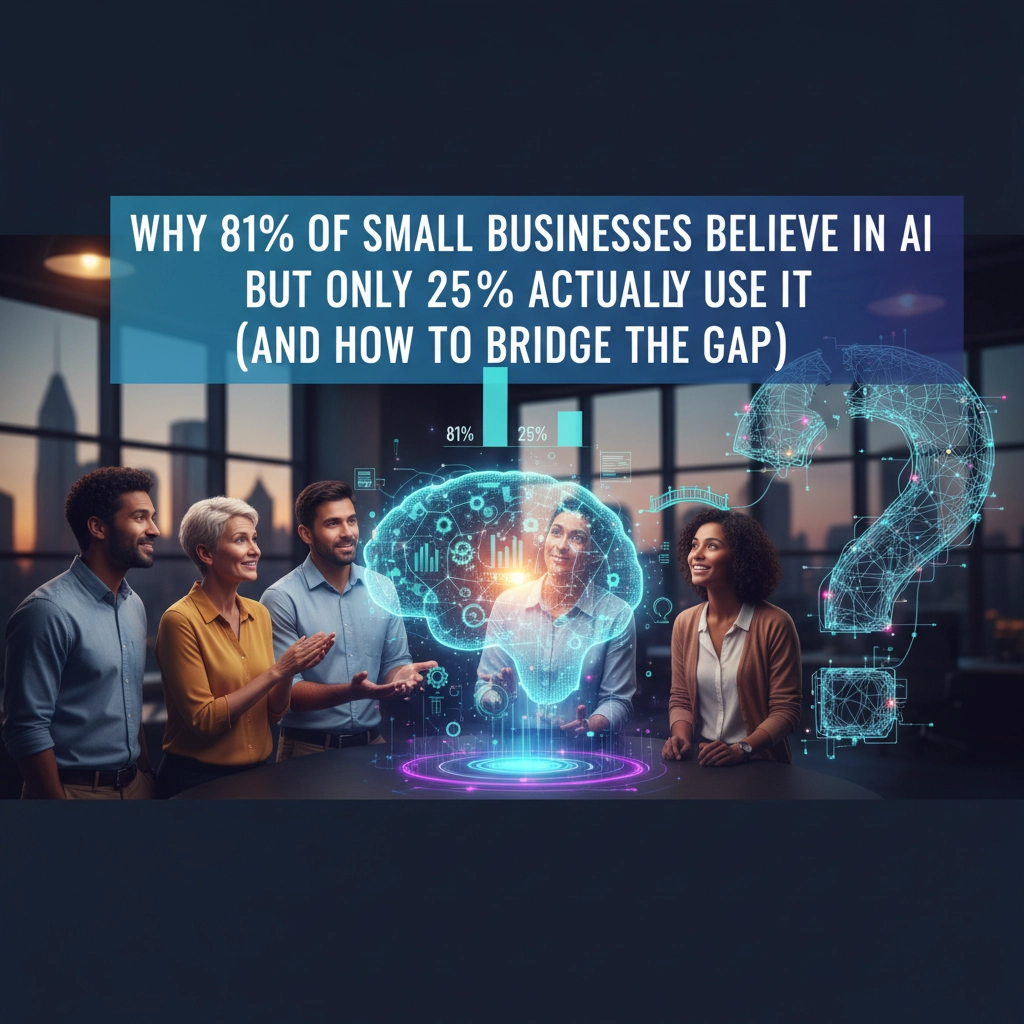
The artificial intelligence revolution is here, and small businesses are caught in a fascinating paradox. While surveys consistently show that over 80% of small business owners believe AI will transform their operations for the better, real-world adoption tells a different story. Despite this overwhelming optimism, meaningful AI implementation remains frustratingly low for most small enterprises.
This gap between belief and action isn't just a statistic: it's costing small businesses competitive advantage, efficiency gains, and revenue opportunities every single day. Let's dive deep into why this disconnect exists and, more importantly, how forward-thinking business owners can bridge this gap to unlock AI's transformative potential.
The Reality Behind the Numbers: What's Really Happening
Recent data reveals a complex landscape of AI adoption among small businesses. According to the U.S. Chamber of Commerce, 58% of small businesses now report using generative AI tools: a significant jump from just 40% in 2024. However, this surface-level adoption masks deeper challenges.
When we look at comprehensive AI integration, the Small Business Administration found that only 8.8% of small businesses are truly leveraging AI across their operations as of August 2025. This stark difference highlights a critical distinction between dabbling with AI tools and implementing systematic AI automation for businesses.
The investment patterns tell an even more revealing story. While 75% of small and medium businesses claim they're putting money into AI, approximately 50% of those using AI report making zero investments in employee training, vendor integration, or data management practices. This approach is like buying a sports car but never learning to drive it properly.
The Top 5 Pain Points Blocking Small Business AI Adoption
1. "AI Isn't Relevant to My Business" Misconception
Nearly 82% of businesses with fewer than five employees believe AI simply doesn't apply to their operations. This perception represents the single largest barrier to adoption. Whether you're running a local restaurant, a consulting firm, or a retail store, AI applications exist that can streamline your workflows, reduce costs, and improve customer experience.
2. Overwhelming Technology Options Without Clear Direction
The AI landscape is cluttered with thousands of tools, platforms, and solutions. Small business owners often feel paralyzed by choice, unsure which technologies will actually move the needle for their specific operations. This analysis paralysis keeps businesses stuck in the research phase indefinitely.
3. Implementation Complexity and Resource Constraints
Small businesses typically lack dedicated IT teams to handle AI implementation. The prospect of integrating new technologies while maintaining day-to-day operations feels insurmountable. Many business owners assume they need extensive technical expertise to benefit from AI automation.
4. ROI Uncertainty and Budget Constraints
With limited budgets, small business owners need clear evidence that AI investments will generate measurable returns. The fear of spending money on technology that doesn't deliver tangible results keeps many businesses on the sidelines.
5. Data Quality and Integration Challenges
Effective AI requires clean, organized data. Many small businesses have information scattered across multiple systems, spreadsheets, and paper files. The thought of organizing this data before implementing AI feels like an impossible prerequisite.
Real-World Use Cases: Where AI Creates Immediate Impact
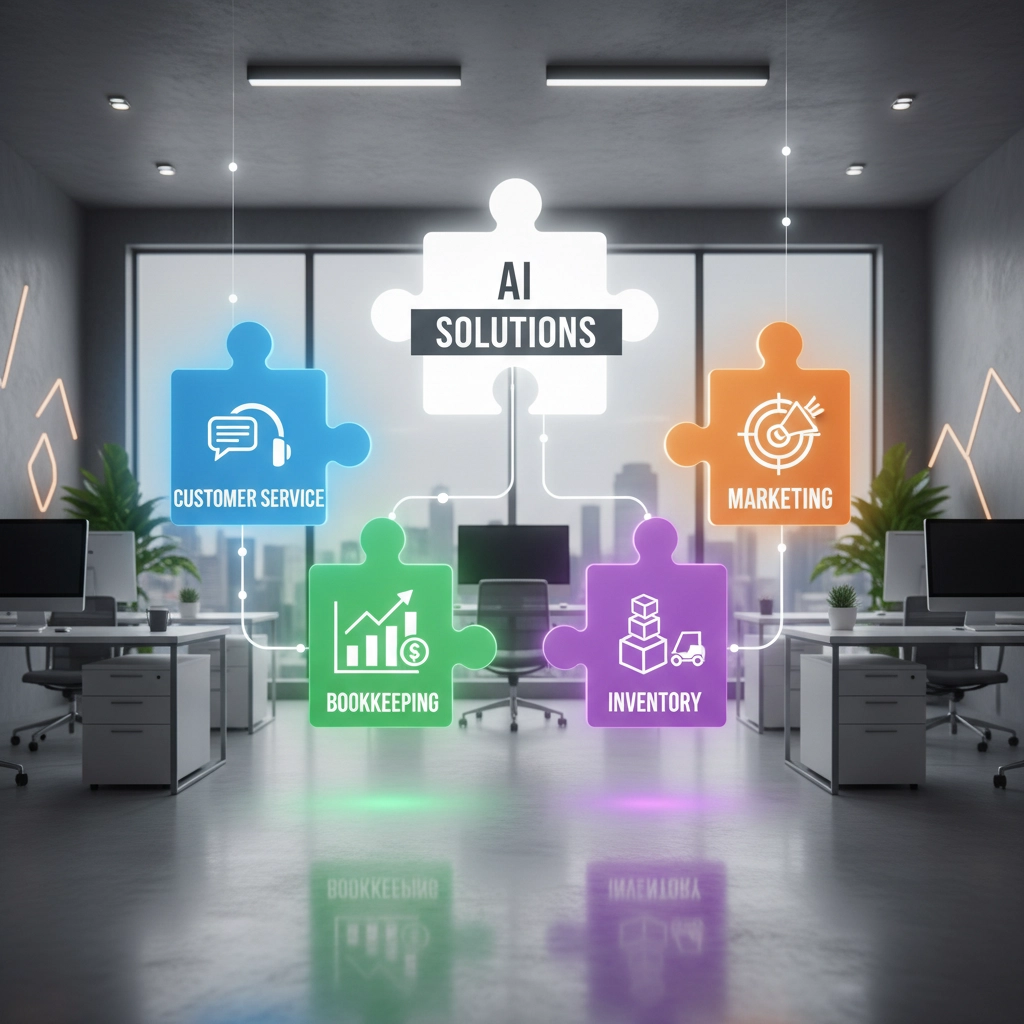
Customer Service Automation
A dedicated virtual assistant for businesses powered by AI can handle 80% of routine customer inquiries 24/7. This means faster response times, reduced labor costs, and improved customer satisfaction without hiring additional staff.
Automated Bookkeeping and Financial Management
AI-powered bookkeeping systems can categorize expenses, reconcile accounts, and generate financial reports automatically. Small businesses using these systems report saving 15-20 hours weekly on administrative tasks.
Marketing Optimization
AI can analyze customer behavior, optimize ad spend, and personalize marketing campaigns at a level previously available only to large corporations. Small businesses implementing AI marketing tools see average conversion rate improvements of 25-35%.
Inventory and Supply Chain Management
Predictive AI helps small retailers optimize inventory levels, reducing carrying costs while preventing stockouts. This technology can improve cash flow and reduce waste by 20-30%.
The Strategic Approach: How to Bridge the Gap Successfully
Phase 1: Start with High-Impact, Low-Complexity Solutions
Begin your AI journey with tools that require minimal setup but deliver immediate value. AI-powered email management, automated appointment scheduling, and basic chatbots provide quick wins that build confidence and demonstrate ROI.
Phase 2: Integrate AI Virtual Assistants for Core Operations
Virtual assistant services enhanced with AI can handle repetitive tasks like data entry, lead qualification, and customer follow-ups. This hybrid approach combines AI efficiency with human insight, making it perfect for small businesses.

Phase 3: Implement Comprehensive AI Automation
Once you've experienced AI's benefits firsthand, expand into more sophisticated applications. This includes automated workflows, predictive analytics, and integrated business intelligence systems that automate your business with AI across multiple departments.
Why 96% of Small Businesses Plan to Adopt AI (And What This Means for You)
The overwhelming majority of small business owners aren't just curious about AI: they're actively planning to integrate it into their operations. This creates both an opportunity and a competitive threat. Businesses that act now gain first-mover advantages, while those that wait risk being left behind as AI adoption becomes industry standard.
The data shows that small businesses using AI are already seeing significant benefits:
- 82% increased their workforce over the past year (AI creates jobs, doesn't eliminate them)
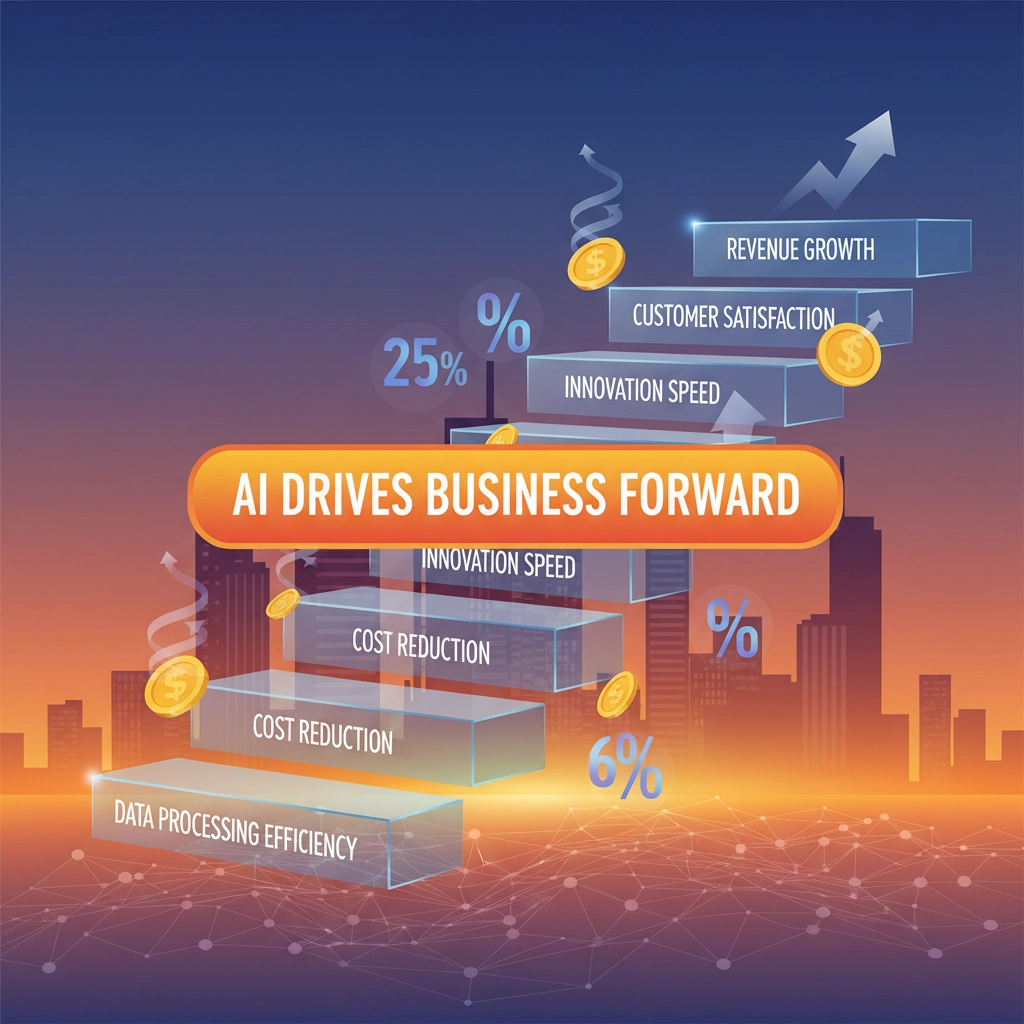
- Average efficiency improvements of 40% in administrative tasks
- Customer satisfaction scores 25% higher than non-AI competitors
Overcoming the Implementation Hurdle: Your Action Plan
Step 1: Audit Your Current Processes
Identify repetitive, time-consuming tasks that drain your team's productivity. These represent your best AI automation opportunities.
Step 2: Choose the Right AI Automation Partner
Working with AI automation experts for businesses eliminates the guesswork and technical challenges. Professional implementation ensures you avoid costly mistakes and achieve faster ROI.
Step 3: Start Small, Scale Smart
Begin with one or two core processes. Master these implementations before expanding. This approach reduces risk while building internal AI competency.
Step 4: Measure and Optimize
Track specific metrics like time saved, error reduction, and customer satisfaction improvements. Use this data to justify additional AI investments and guide your expansion strategy.
The Virtual Nexgen Solutions Advantage
At Virtual Nexgen Solutions, we specialize in helping small businesses bridge the belief-to-adoption gap. Our dedicated virtual assistants for businesses combine AI automation with human expertise, delivering immediate value without the complexity of managing technology internally.
We've helped hundreds of small businesses implement AI solutions that deliver measurable results:
- 40% reduction in administrative workload
- 25% improvement in response times
- 60% increase in lead conversion rates
Our approach eliminates the common barriers that keep small businesses stuck in the planning phase. We handle the technical complexity while you focus on growing your business.
Don't Let the Gap Widen: Take Action Today
The businesses thriving in 2025 aren't necessarily the largest or best-funded: they're the ones that moved quickly to implement AI automation while their competitors hesitated. Every day you delay adoption is a day your competition gains ground.
The question isn't whether AI will transform your industry: it's whether you'll be leading that transformation or scrambling to catch up.
Ready to bridge the gap between AI belief and AI action? Virtual Nexgen Solutions makes AI automation accessible, affordable, and effective for small businesses. Our expert team will assess your specific needs and implement solutions that deliver immediate ROI.
Book your free 30-minute consultation today and discover how AI automation can transform your business operations: Schedule Your Free Consultation
Don't let another quarter pass while your competitors gain the AI advantage. The time for action is now.
Virtual Nexgen Solutions – Your trusted partner for AI automation and virtual assistant services. Visit www.virtualnexgen.com to learn more about how we help small businesses leverage AI for competitive advantage.